
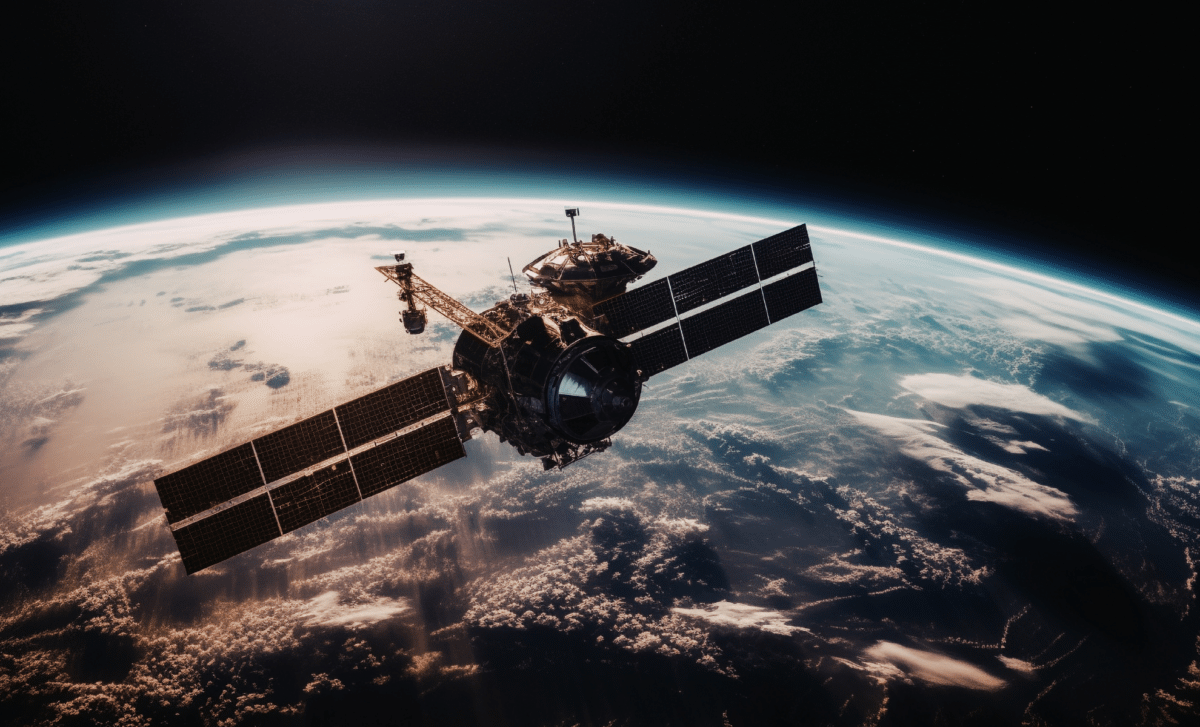
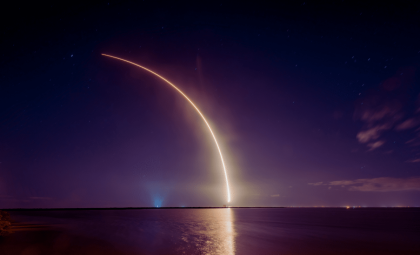
Space exploration is progressing rapidly, with an increasing frequency of launches as corporations seek to deploy vast satellite mega-constellations. Nevertheless, a recent analysis featured in The Conversation brings attention to an alarming issue: these missions are significantly impacting the Earth’s atmosphere. The surge in rocket launches and satellite re-entries is altering the composition of the middle and upper atmospheric layers, posing risks to the ozone layer and potentially influencing global climate dynamics.
The Environmental Impact of Expanding Space Activity
The exponential growth in space missions is raising environmental concerns due to the injection of pollutants into the atmosphere. Each rocket launch and satellite re-entry emits substances such as alumina (aluminum oxide) and black carbon (soot) into higher atmospheric levels. These particles contribute to heating of the atmosphere and deterioration of the ozone layer, which could seriously affect ecosystems on Earth. This increase in activity correlates with the rising demand for satellite networks like SpaceX’s Starlink, which aims to provide global internet coverage, thereby intensifying environmental risks.
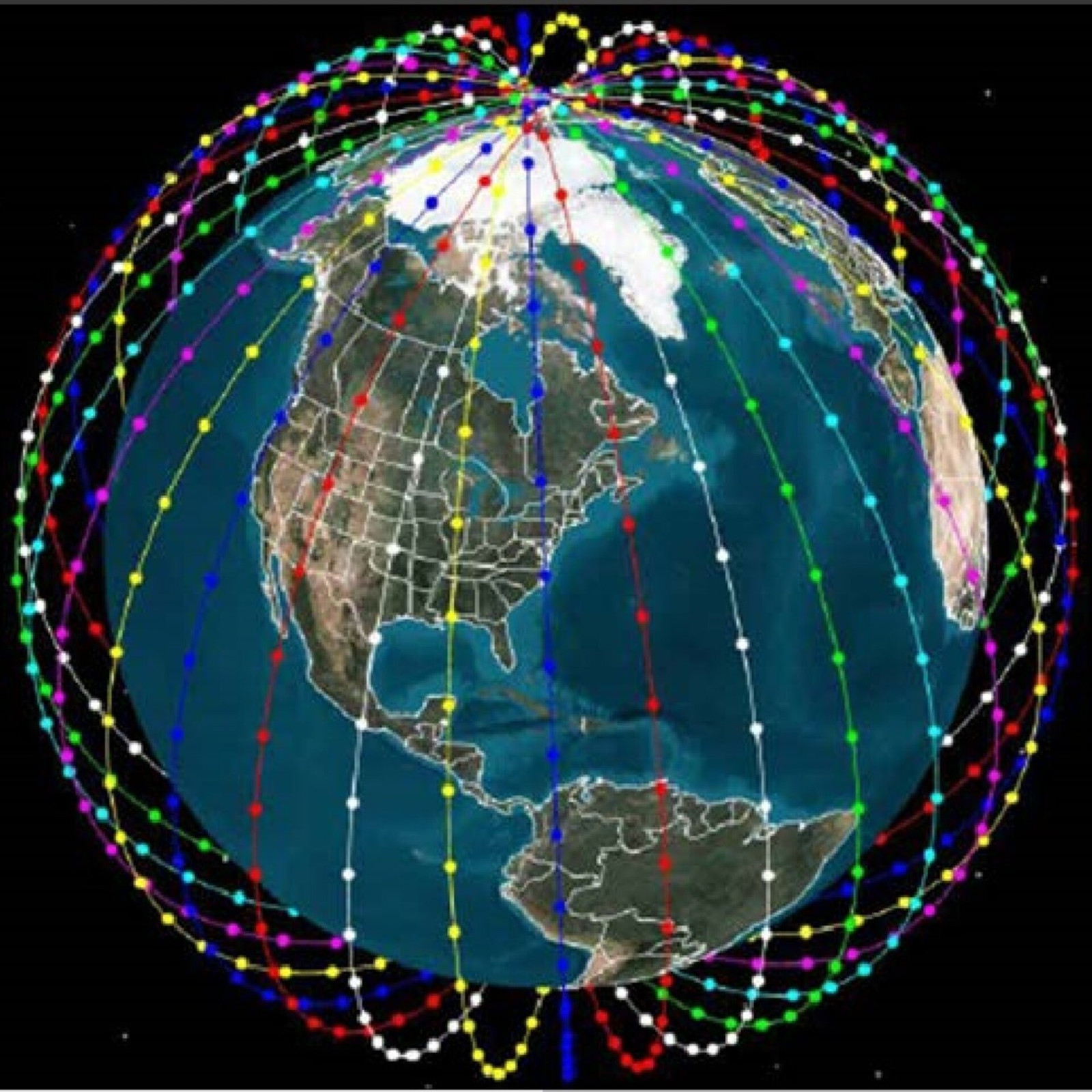
Projections indicate that by the 2030s, thousands of satellites will be decommissioned annually, releasing harmful chemicals including alumina into the atmosphere. Alumina is known to accelerate ozone depletion, jeopardizing Earth’s protective shield against ultraviolet solar radiation. The The Conversation study alerts that persisting with current launch rates could result in significant ozone layer thinning, potentially negating the achievements of the Montreal Protocol, which has substantially reduced ozone-depleting substances since 1987.

Stratospheric Black Carbon: A Climate Hazard
A further environmental issue stems from black carbon particles produced by rockets powered by hydrocarbon fuels. These soot particles, released into the stratosphere, can elevate temperatures by several degrees, disrupting wind systems and exacerbating climate change. Unlike carbon dioxide, which remains in the atmosphere for centuries, black carbon tends to persist in the stratosphere for months to years, intensifying its warming influence.

This added stratospheric warming can have ripple effects on climate, altering jet stream behavior and large-scale atmospheric circulation. The study indicates that such changes may delay the restoration of the ozone layer, hindering recovery from earlier damage caused by substances like chlorofluorocarbons (CFCs). With an increasing number of rocket launches, these environmental impacts are expected to intensify, underscoring the urgency for sustainable space exploration strategies.
Embracing a Circular Economy in Space Operations
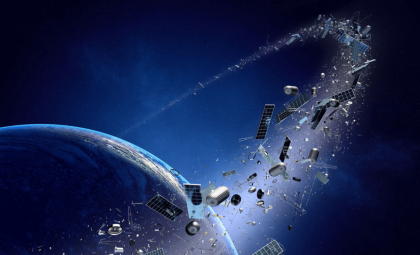
Despite the ecological challenges tied to space launches, adopting a circular economy framework offers promising solutions. This approach focuses on designing satellites and rockets for repair, reuse, and recycling, significantly reducing environmental harm while turning space debris into economic assets.
Findings from the Southampton Space Institute reveal that recovering and recycling materials from space debris could generate economic value estimated between US$570 billion and US$1.2 trillion. Developing space hardware with extended durability and recyclability could cut down the frequency of launches, thereby decreasing pollutant emissions into the atmosphere.
The circular economy could also involve in-orbit satellite maintenance and refueling, demonstrated by initiatives like Northrop Grumman’s Mission Extension Vehicles. Lengthening satellite lifespans would minimize the volume of de-orbited equipment, helping to lessen environmental damage while creating new commercial opportunities within the space sector.
Advancing Toward Environmentally Responsible Space Exploration
Balancing the growth of space ventures with environmental preservation presents a formidable challenge. However, persisting on the current course risks severe climatic effects such as ozone layer depletion and stratospheric warming. Implementing sustainable practices in the space industry is therefore imperative.
Space agencies and governments must foster innovation and policy frameworks that support satellite servicing, reusability, and eco-friendly disposal. Projects like the European Space Agency’s ClearSpace1, aimed at cleaning orbital debris, exemplify promising steps forward. By enforcing “extended producer responsibility,” regulators can ensure companies manage the ecological footprint of their space technologies throughout their lifespan.
- Categories:
- Space









0 comments
Sign in to Comment