
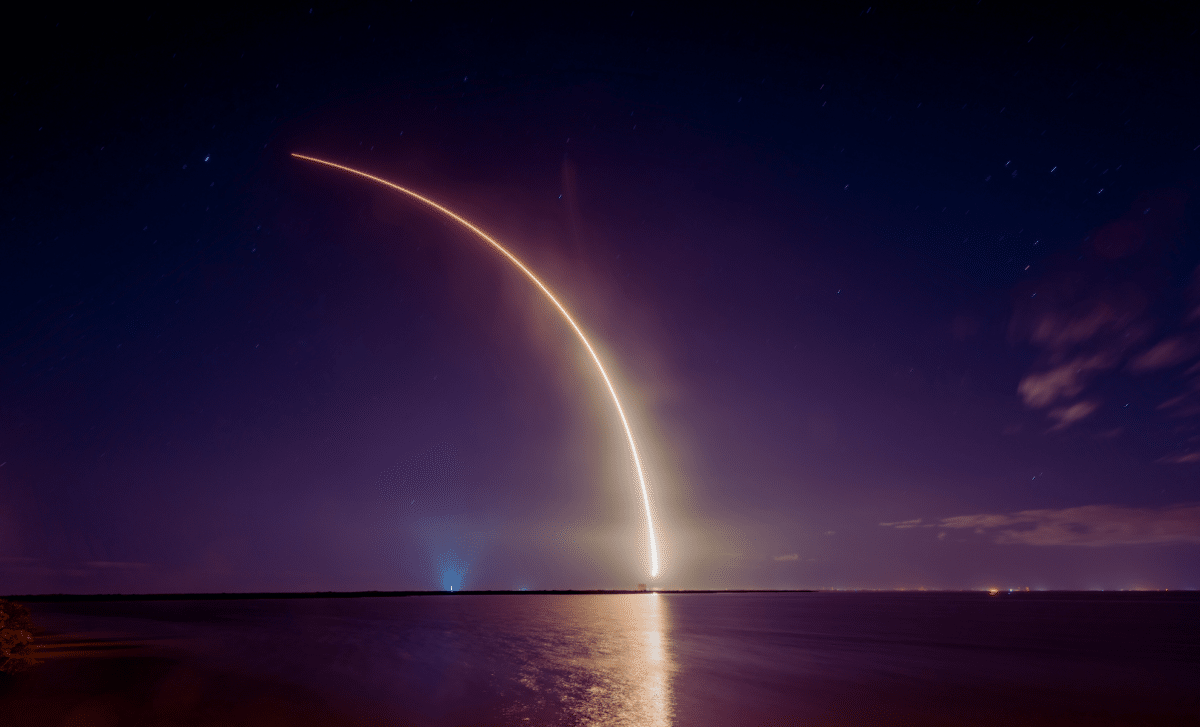
At the close of 2025, new data revealed that SpaceX’s Starlink satellite network executed close to 300,000 maneuvers to avert potential space collisions. Since its first launches in 2019, Starlink has expanded to nearly 9,400 satellites, representing roughly 65% of all operational satellites in low Earth orbit. The Federal Communications Commission (FCC) requires SpaceX to submit updates twice a year detailing the constellation’s safety protocols to mitigate the risk of space debris. Despite these precautions, experts are increasingly alarmed about the long-term viability of these efforts and the broader implications for orbital space safety.
Starlink’s Influence on Orbital Congestion
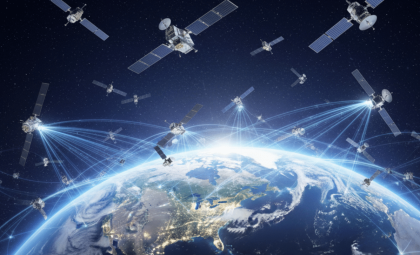
SpaceX's Starlink constellation, designed to offer worldwide internet connectivity, has garnered attention from specialists worried about the growing complexity of managing traffic in low Earth orbit. The staggering number of avoidance maneuvers performed — approximately 300,000 in 2025 — underscores the technical challenges in operating such an extensive satellite array. As reported by New Scientist, this effort illustrates the immense scale of coordinating safe orbits amid increasing orbital congestion.
“That’s a huge amount of manoeuvres,” says Hugh Lewis, a space expert at the University of Birmingham in the UK. “It’s just an incredibly high number.”
Add Cosmo Herald as a Preferred Source

This surge in collision avoidance highlights how crowded Earth's orbit is becoming, with each new satellite raising the likelihood of hazardous encounters.
The company’s mega-constellation is having to perform a huge number of manoeuvres to prevent a collision in Earth orbit https://t.co/oE1NafzxbW
— New Scientist (@newscientist) January 23, 2026
These frequent adjustments are crucial to sidestep collisions, highlighting a growing challenge for space operators worldwide. As more companies plan satellite projects, the rising number of orbiting objects demands innovative solutions to ensure long-term orbital safety and sustainability.
“From a physics point of view, it’s not good,” says Lewis. “We are moving ourselves towards a pretty bad scenario in orbit. It is not sustainable.”
Increasing orbital traffic sparks concerns over the potential impacts on future space exploration and satellite communication capabilities.
Ethical and Legal Questions Surrounding Starlink’s Orbital Presence
As Starlink continues to expand, its overwhelming presence in low Earth orbit raises complex issues regarding equitable access to this critical space. Operating mainly between 340 and 570 kilometers altitude, Starlink’s satellites occupy a zone shared by many other missions. "It highlights how SpaceX really owns that orbit," explains Samantha Lawler, a space scientist from the University of Regina in Canada. Although the Outer Space Treaty advocates for equal space access among nations, Starlink's dominance in this orbital band challenges this ideal, sparking debates about the implications of corporate monopolies in space. This concentration of satellites under one company raises concerns that other countries and private ventures might be excluded or disadvantaged.
SpaceX’s control over such a vast portion of Earth’s orbit presents new challenges for global space governance. While the constellation's frequent maneuvers help maintain safety, experts worry about the consequences if errors occur during these critical operations. Lawler cautions, "They’re doing all these manoeuvres and they’re doing them perfectly. But if they make a mistake, we’re in really big trouble." A collision could create debris that further complicates space traffic, threatening the safety of many orbital missions.
The Escalating Threat of Space Debris
A major hazard linked to satellite collisions is the generation of debris. Even minor impacts can scatter thousands of high-speed fragments capable of damaging other operational satellites and spacecraft. This chain reaction, known as the Kessler Syndrome, risks rendering certain orbital regions unusable. Hugh Lewis warns that the rapid rise in satellites without robust mitigation practices could lead to uncontrolled debris growth. "It’s not good," he states, emphasizing how these developments could severely hamper future space activities.
Managing orbital safety grows more challenging as the satellite population balloons. SpaceX leverages advanced tracking and predictive technologies to orchestrate collision avoidance, but the scale of maneuvers required prompts questions about the long-term sustainability of such strategies. The space community faces the crucial task of balancing innovation with the imperative to preserve a safe and sustainable orbital environment for generations to come.
- Categories:
- Space











0 comments
Sign in to Comment