

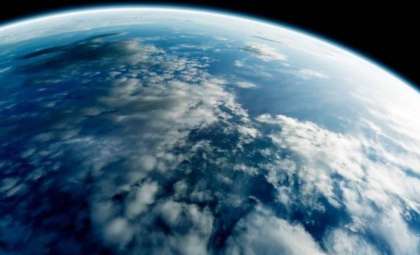
Recent research has shifted our understanding of when life’s earliest common ancestor existed. Scientists suggest that the last universal common ancestor (LUCA), the microscopic progenitor from which all living beings on Earth descend, may have appeared as far back as 4.2 billion years ago, only 400 million years after the planet formed.
Decoding Life’s Beginnings with Genetic Timers
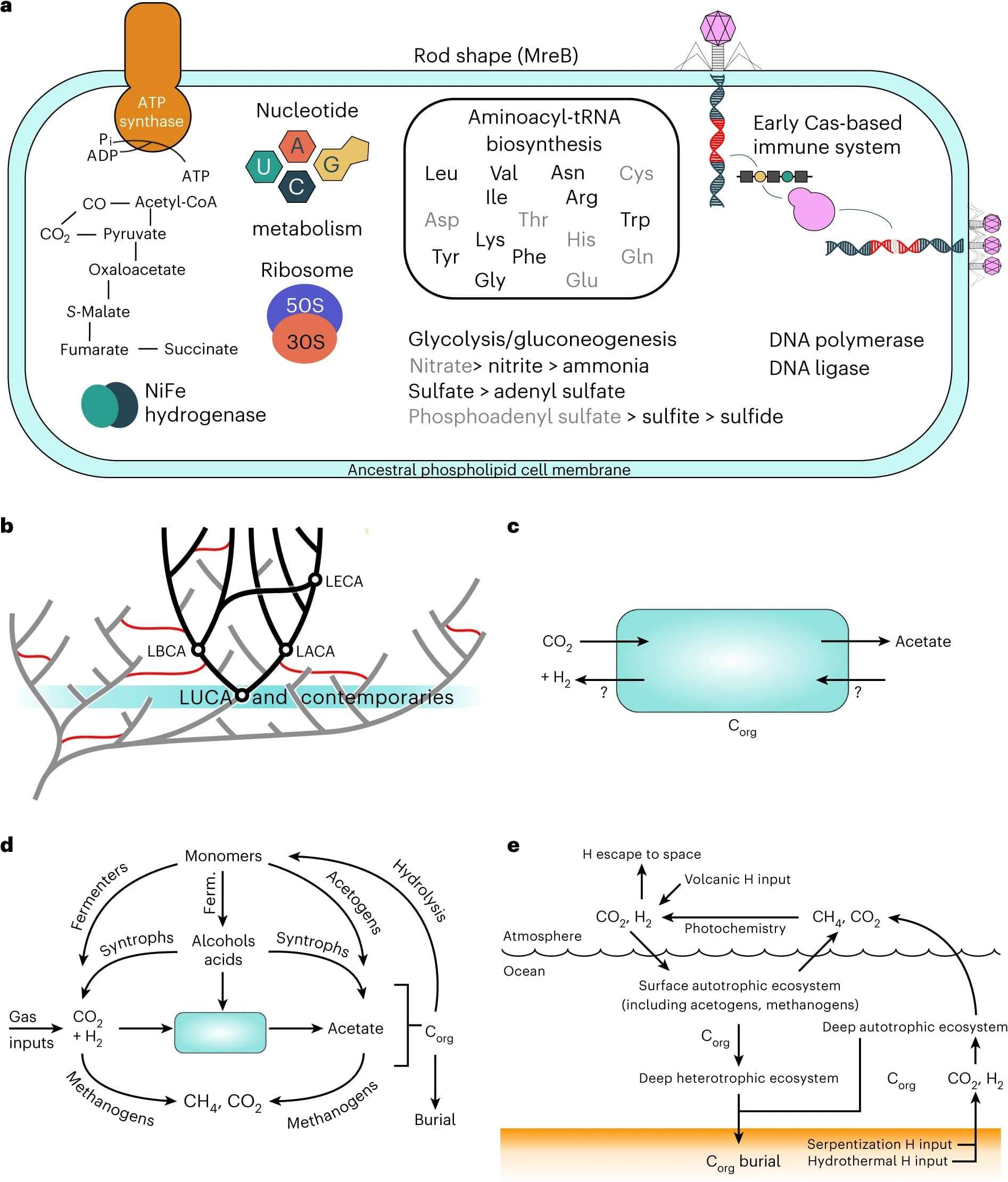
LUCA represents the single-celled organism that stood as the common predecessor of all life domains—Bacteria, Archaea, and Eukaryotes. While not the first form of life, LUCA’s significance lies in being the earliest ancestor that left a consistent genetic imprint across all modern organisms.
Using phylogenetic analysis, a research team headed by Dr. Edmund Moody from the University of Bristol estimated LUCA’s timeframe. This approach scrutinizes genetic mutations accumulated among numerous species to determine evolutionary branching points.

Because genetic changes accrue at a relatively predictable rate, scientists compared the differences in DNA sequences from a wide variety of living organisms to effectively rewind evolutionary history to LUCA. The team also used fossil records to calibrate this molecular clock, yielding a revised LUCA age of 4.2 billion years, older than the prior estimate of 3.8 billion years.
LUCA’s Unexpected Biological Sophistication
Despite living before the rise of multicellular organisms or oxygen-rich atmospheres, LUCA was likely a biologically advanced microbe comparable to modern prokaryotes. It probably had critical cellular components including DNA as genetic material, ribosomes that synthesize proteins, and ATP metabolism—all shared traits among today’s life forms.
Fascinatingly, LUCA may have possessed an early form of immune defense. Researchers suggest it was already locked in a biological arms race against viruses, implying that even at 4.2 billion years ago, this ancestor was actively fighting viral threats.
Thriving in Planetary Extremes
LUCA likely inhabited harsh environments such as hydrothermal vent systems, where extreme pressures and mineral-rich waters spurred the chemistry necessary to sustain life. These settings also support key hypotheses like the alkaline vent theory regarding life’s origin.
This ancestor probably lived within a primitive microbial community, coexisting alongside early microbes including methanogens that utilized LUCA’s metabolic byproducts.
As Dr. Tim Lenton from the University of Exeter noted, LUCA’s waste products served as nourishment for other microbes, creating an early example of ecological nutrient recycling, foundational to today’s ecosystems.
Insights into the Dawn of Evolution
Published in Nature Ecology & Evolution, the study integrates findings from evolutionary biology, genomics, and Earth sciences. Researchers used a method called gene-tree/species-tree reconciliation to navigate gene transfer complexities, enabling a more detailed reconstruction of LUCA’s biology than earlier studies.
“This allows us to say with some confidence—and assess that level of confidence—on how LUCA lived,” said Dr. Tom Williams, a co-author of the study.
Professor Davide Pisani emphasized that LUCA was already interacting with and influencing its surroundings, setting the foundation for the vast biodiversity that followed. The findings also coincide with updated understanding of early Earth’s habitability.
Commenting on the age estimate, Dr. Sandra Álvarez-Carretero stated, “while we did not anticipate LUCA being so ancient, our results align with current views about early Earth's ability to support life.” This discovery raises the possibility that life on similar planets could arise and diversify rapidly after their formation.
- Categories:
- News





0 comments
Sign in to Comment