
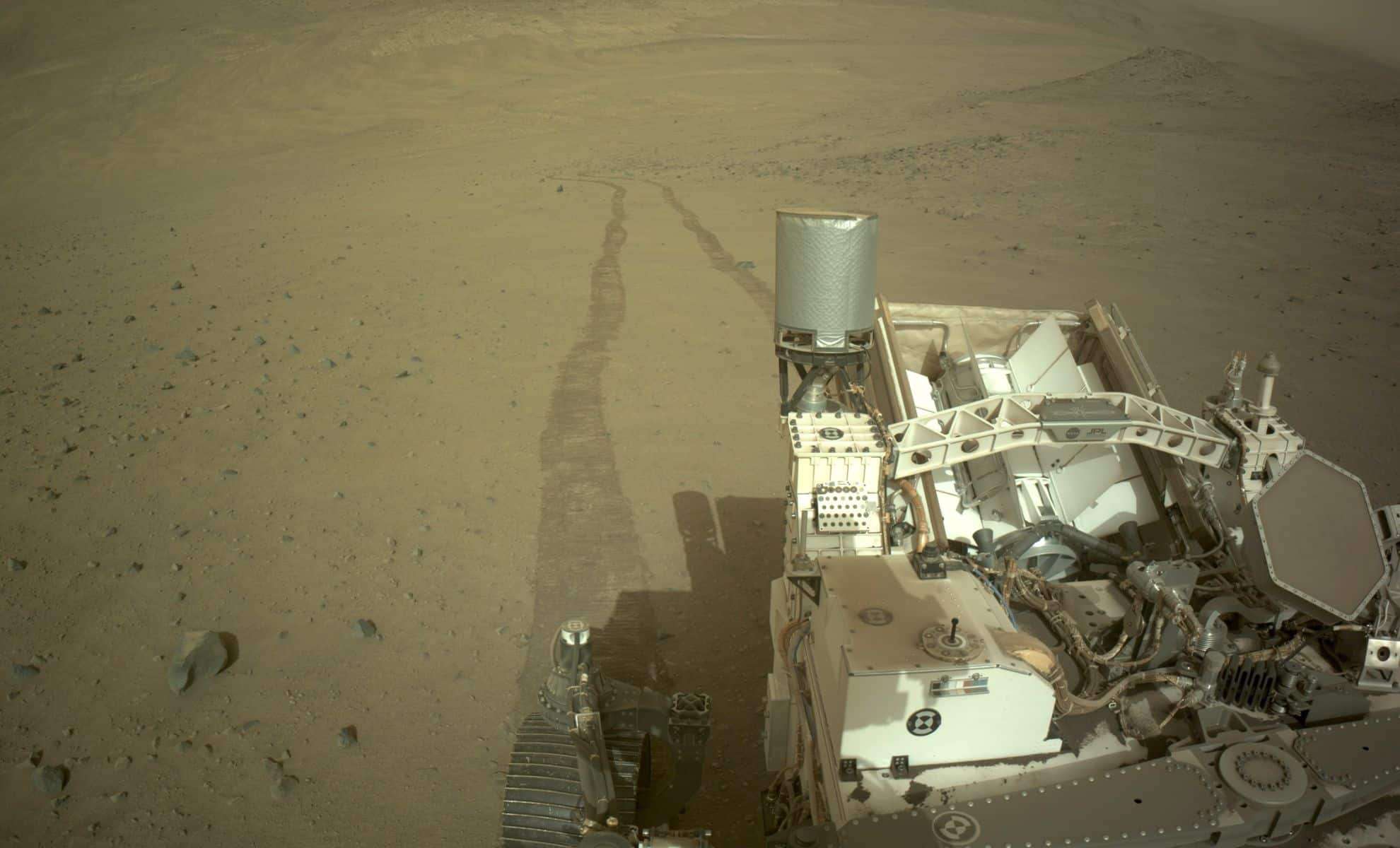
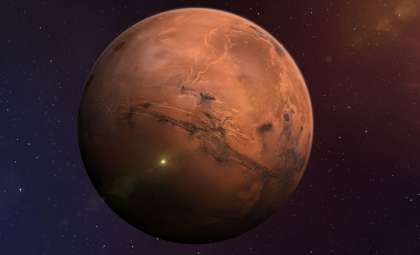
NASA’s Perseverance rover has arrived at a captivating new Martian locale called the Crocodile Plateau, where it aims to study some of the oldest rock formations on the planet. This achievement was outlined recently by the teams from NASA and the California Institute of Technology responsible for operating the rover.
Exploring Krokodillen: Mars’ Primeval Landscape
The site known as Krokodillen—which translates to “crocodile” in Norwegian—covers an area of approximately 73 acres (30 hectares). It straddles the edge between the ancient rocky rim of Jezero Crater and the sprawling plains beyond. Perseverance touched down inside this 28-mile-wide (45 kilometer) crater in February 2021 with the primary mission to find traces of ancient microbial life and collect geological samples for eventual return to Earth.
Krokodillen is especially compelling because its rocks date back to Mars’ Noachian period—long before the Jezero Crater existed. These formations represent some of the oldest Martian surfaces accessible to scientists, providing valuable insights into the planet’s primordial environment. Orbital observations detected clay minerals here, which typically form in the presence of liquid water—vital for sustaining life.

Ken Farley, the deputy project scientist for Perseverance from Caltech, highlighted that discovering “a potential biosignature here would relate to an even earlier stage of Mars’ evolution than what we observed last year at the site known as Cheyava Falls.” This raises the intriguing possibility that Mars might have supported life during multiple distinct geological epochs.
Perseverance’s Novel Strategy for Sample Management
Perseverance carries 43 tubes allotted for sample collection, with 38 intended for capturing rocks and soil and five as “witness” tubes to monitor potential contamination from Earth-based materials. To date, the rover has secured samples in all but seven tubes, gathering a diverse geological record. Each sample offers unique evidence about Mars’ ancient environments and its ability to support life.
Given the limited number of tubes and the many intriguing targets still ahead, the mission team has adopted a flexible new plan. Some filled sample tubes may remain unsealed to allow less promising specimens to be discarded in favor of higher-value samples. This approach aims to maximize scientific returns despite logistical constraints.
Although Perseverance has uncovered chemical and structural signatures at locations like Cheyava Falls consistent with potential microbial activity, conclusive evidence of life remains absent. To definitively answer whether life ever existed on the Red Planet, detailed analyses in Earth laboratories with advanced instruments will be essential after sample return.
Will Krokodillen’s Rocks Reveal Mars’ Earliest Life?
The study of Krokodillen’s ancient terrain is vital for understanding Mars’ early geologic and environmental past. The presence of clay minerals suggests a history rich with liquid water, increasing the potential to find preserved biosignatures or other evidence pointing to habitable conditions.
Analyzing rocks that predate the Jezero Crater helps scientists contrast different Martian eras and examine whether conditions supportive of life were continuous or sporadic throughout the planet’s history.
Despite uncertainties surrounding the continuation of Mars sample return missions due to budget and policy discussions, this research will offer crucial insights into Mars’ past.
- Categories:
- News







0 comments
Sign in to Comment