
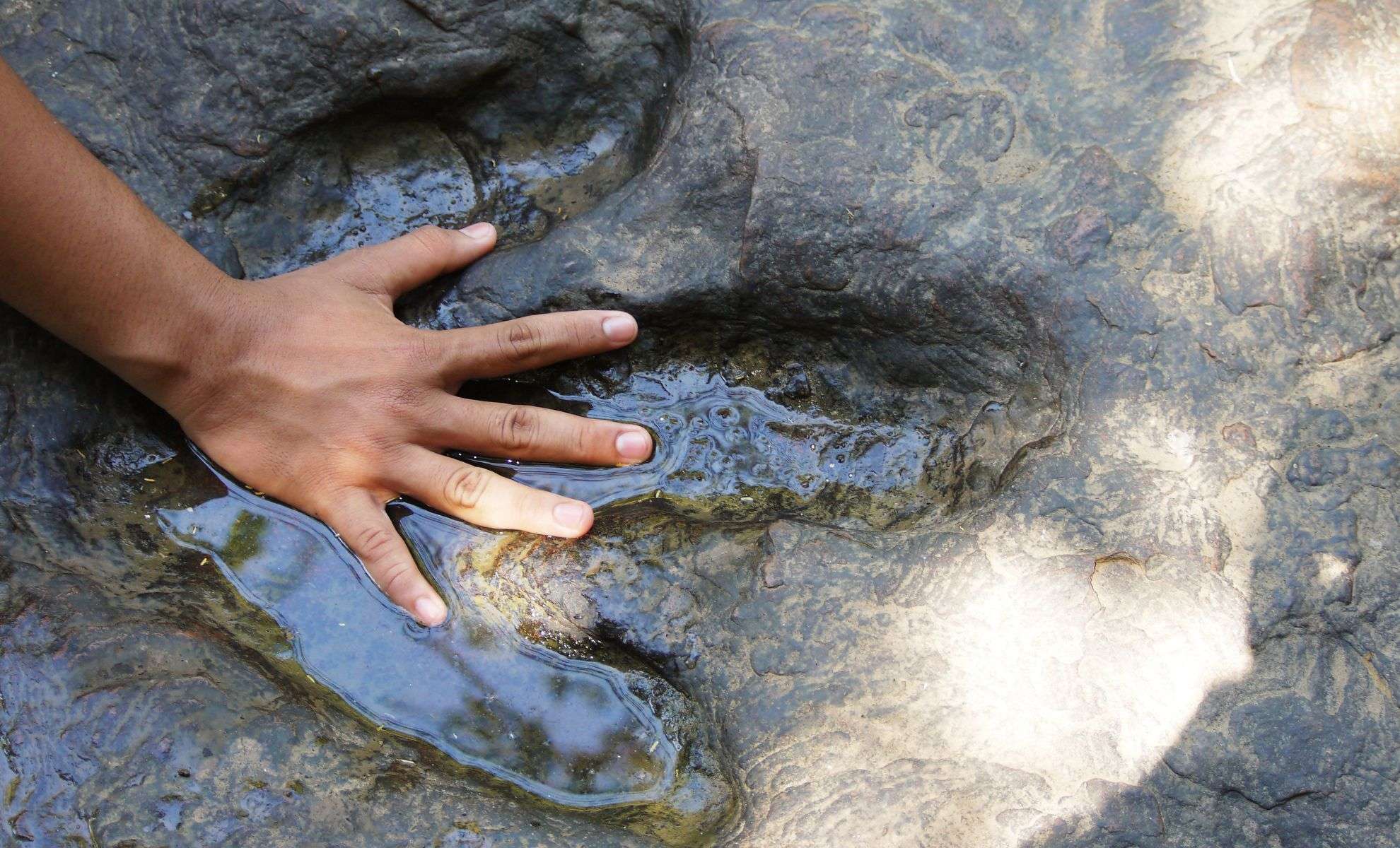
In the aftermath of the severe flooding that hit central Texas this summer, volunteer rescuers uncovered an extraordinary find — enormous footprints left by dinosaurs, concealed beneath layers of soil and vegetation. These fossilized footprints, dating back approximately 115 million years and located near Big Sandy Creek in Travis County, have generated significant buzz in the paleontological community. Experts from the University of Texas at Austin have verified the discovery and are employing 3D imaging techniques to document and protect the footprints, according to ABC News.
Floodwaters Reveal Lost Footprints
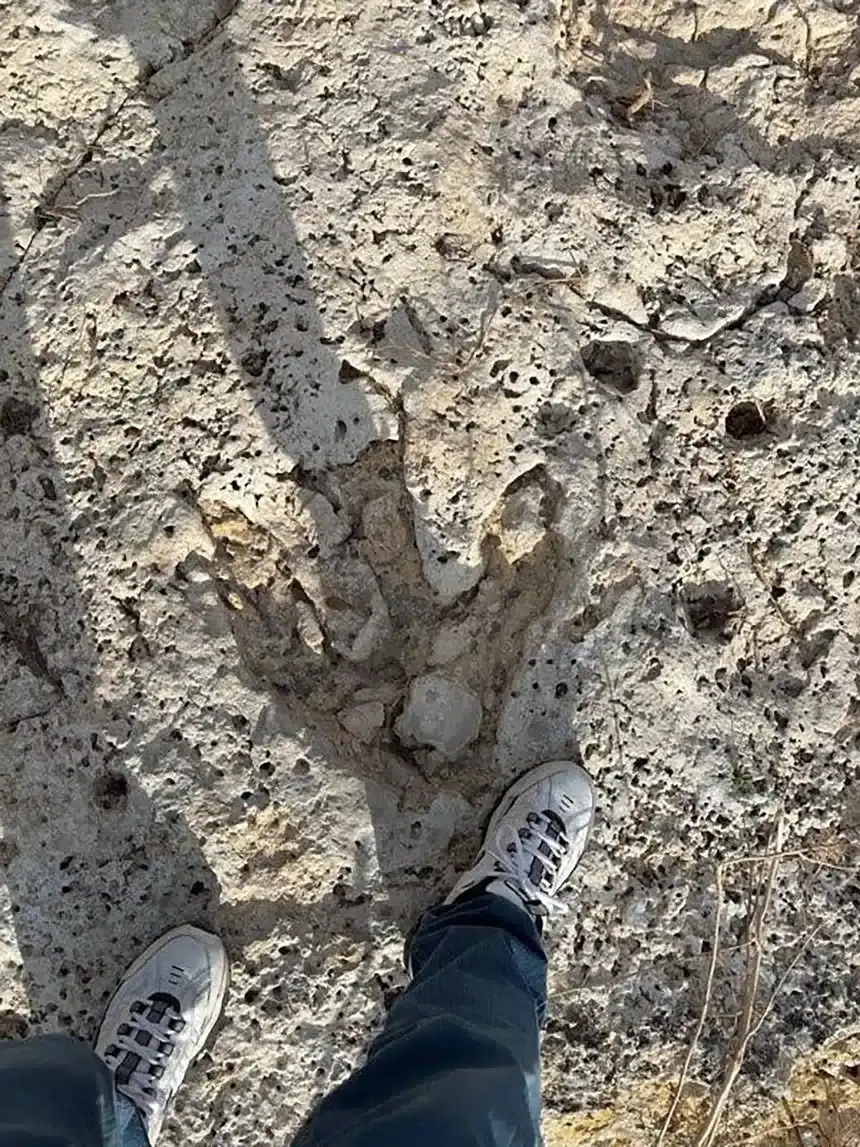
The intense flooding in July caused widespread destruction—including damage to infrastructure and over 130 fatalities. However, in a specific area northwest of Austin, floodwaters eroded the earth’s surface to expose a series of 15 dinosaur footprints, each measuring around 18 to 20 inches in length. The site’s exact location remains confidential at the landowner’s request, but it evidently holds a treasure trove of prehistoric secrets.
These impressions were preserved in limestone belonging to the Early Cretaceous Glen Rose Formation. This geological context allows scientists to date the tracks to roughly 110 to 115 million years ago. Matthew Brown, curator of the Vertebrate Paleontology Collections at the University of Texas, noted that the tracks were created by a large carnivorous dinosaur resembling Acrocanthosaurus.

The Creature Behind the Tracks
Though less famous than the T. rex, Acrocanthosaurus was a formidable predator. It stretched about 35 feet in length, moved bipedally, and featured a distinctive tall ridge along its back — earning it the nickname "high-spined lizard." Matthew Brown explained to CNN that while it’s often confused with a T. rex, Acrocanthosaurus had longer forelimbs, shorter hind legs, and a markedly different build.
What makes this discovery particularly valuable is how infrequent such evidence of Acrocanthosaurus is. Complete specimens of this species are rare, with fewer than a dozen identified. Consequently, trackways like this provide unique insights into how these apex predators moved through their habitat.
Brown’s team is investigating whether the footprints were left by a single animal or multiple dinosaurs traveling together. Finding signs of group behavior would add to our understanding of their social dynamics.
Additional Dinosaurs May Have Passed Here
While carnivore footprints are the most prominent, scientists have also identified tracks likely made by a large herbivorous dinosaur, probably Paluxysaurus — the official state dinosaur of Texas. This sauropod, characterized by an elongated neck and tail, was a gentle giant roaming the area during its era.
This region has been known to paleontologists for decades. Similar tracks were documented in the 1980s, with the recent floods uncovering further stretches of the ancient landscape. Brown emphasized that fossilized dinosaur footprints are fairly common across Texas, often surprising locals who encounter them unexpectedly. “People often don’t realize these fossils might be found right in their own neighborhoods,” he told ABC News.
A Glimpse Into Texas’s Ancient Landscape
Some 115 million years ago, Texas existed in a vastly different environment. The climate was warm and humid, influenced by active volcanic regions, and an enormous inland sea bisected North America.
What adds a poignant note to this discovery is how it emerged — not from deliberate excavation, but as a result of a natural catastrophe. Brown aptly noted, “Our work is often bittersweet, because it’s these cataclysmic events that both preserve fossils and reveal them to us.”
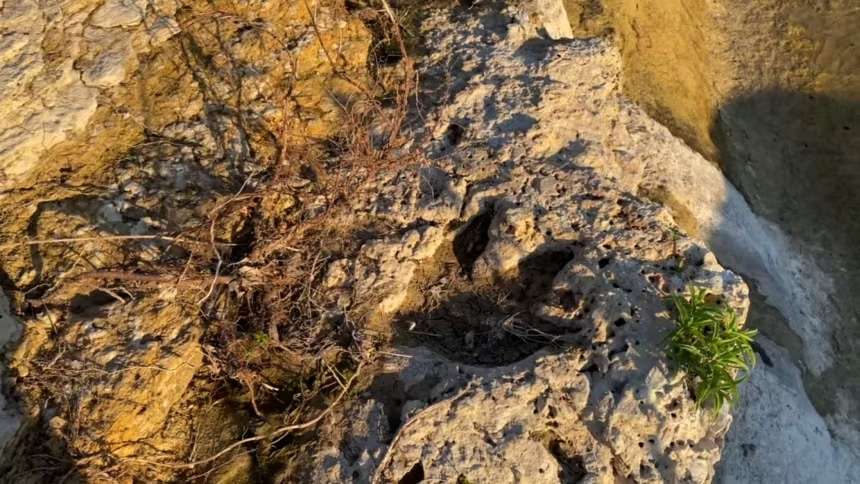
Currently, Brown’s team is collaborating closely with environmental specialists to ensure protection of the site throughout the ongoing cleanup efforts. Heavy machinery is kept away from the footprint area, and detailed records are being made to safeguard the tracks before erosion or other factors cause deterioration.
Since the announcement of the find, local residents have come forward with their own flood-related discoveries, submitting photos and accounts of additional ancient impressions. This unfolding story could mark the start of a broader exploration into Texas’s distant prehistoric past.
- Categories:
- News







0 comments
Sign in to Comment