
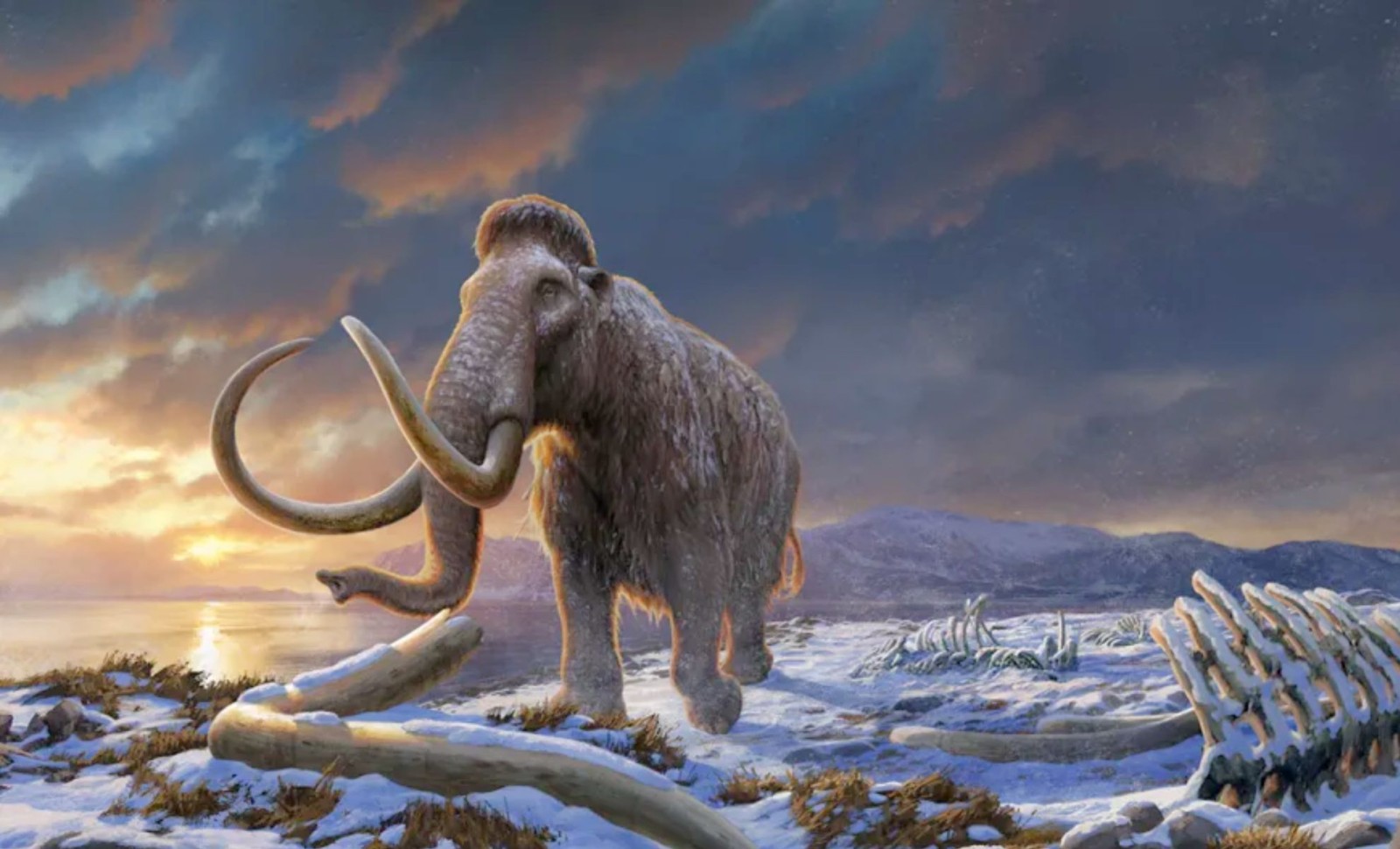
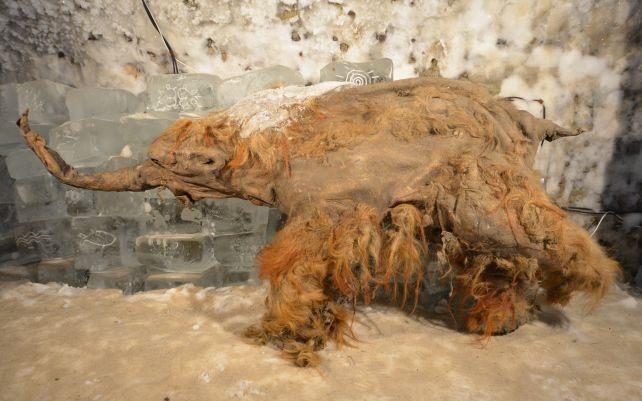
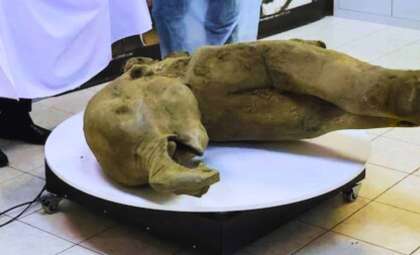
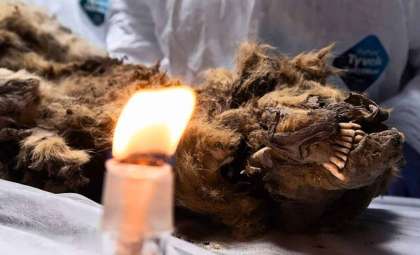
A team of researchers has managed to sequence the oldest RNA ever retrieved from the remains of a woolly mammoth named Yuka, who perished close to 39,000 years ago. Due to RNA's rapid breakdown after death—much faster than DNA—scientists long believed RNA could not persist for millennia.
However, Yuka’s tissues, preserved in Siberian permafrost, provided a rare opportunity. Geneticists successfully extracted and studied RNA fragments from both skin and muscle samples, marking a milestone in the field of ancient molecular biology.
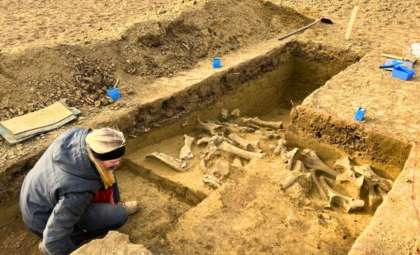
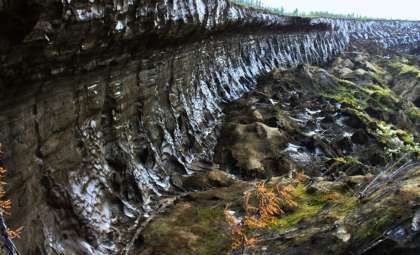
Unearthed in 2010 in northeastern Siberia, Yuka’s body was remarkably well-preserved and frozen. The mammoth, estimated to have been about 5 or 6 years old at death, is famed for its exceptional preservation state. New scientific techniques have now revealed something groundbreaking: traces of biological activity in its tissues from moments before death.

This discovery is crucial because, unlike DNA—which encodes genetic blueprints—RNA reveals which genes were actively functioning at a precise time. Simply put, it offers insight into what the mammoth’s body was actually doing.
Muscle Gene Activity Records Yuka’s Final Movements
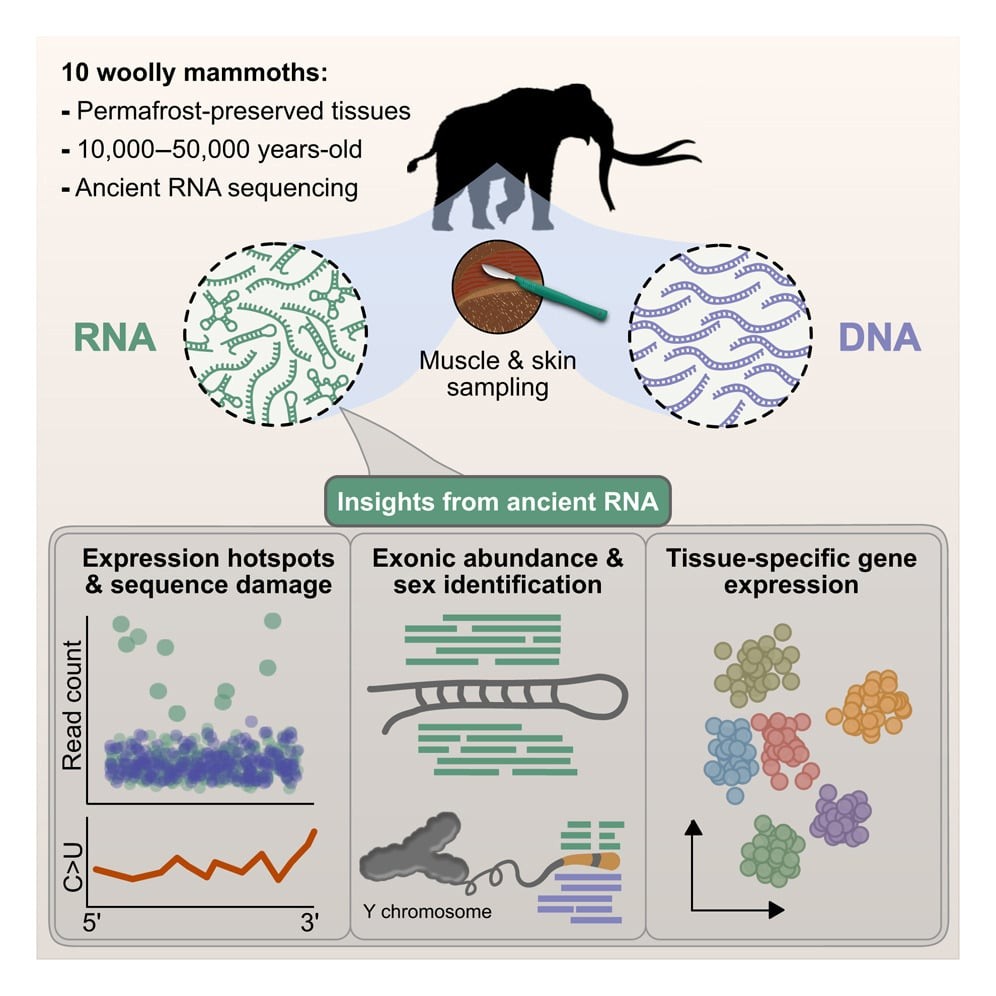
Researchers from Stockholm University and SciLifeLab identified RNA related to muscle contraction and metabolic responses to stress, according to a study published in Cell. This correlates with physical evidence suggesting Yuka escaped an attack by cave lions, ultimately dying trapped in a mud pit.
Of the ten mammoth specimens examined, only Yuka's samples contained RNA intact enough for sequencing. Scientists attribute this to the exceptional preservation of Yuka’s tissues, making this mammoth unique.
Regulatory RNA Molecules Offer Molecular Insights
In addition to protein-coding RNA, the team detected microRNAs—tiny molecules that control gene expression without producing proteins. These microRNAs exhibited rare mutations, confirming their mammoth-specific origin, explains molecular bioscientist Marc Friedländer, a project collaborator.
The presence of these regulatory RNAs, especially those linked to muscle tissue, provides direct proof of active gene regulation at the cellular level in ancient life. As Friedländer remarked:
“The muscle-specific microRNAs we found in mammoth tissues are direct evidence of gene regulation happening in real time in ancient times. It is the first time something like this has been achieved.”
This unprecedented RNA sequencing from remains of such great age signifies a breakthrough in paleogenomic research, expanding the scope of recoverable biological data from extinct organisms.
Expanding Frontiers with One Exceptional Mammoth
Previous work has successfully sequenced ancient DNA, even from mammoths dating back over a million years, though retrieving RNA from such old specimens was considered improbable. RNA’s propensity to degrade quickly usually prevents it from surviving beyond a few centuries.
Yet, Yuka’s permafrost-entombed, largely undisturbed remains challenge these assumptions. Senior author and evolutionary geneticist Love Dalén explains that the study indicates RNA molecules can endure far longer than previously thought, given ideal environmental preservation.
“This means that we will not only be able to study which genes are ‘turned on’ in different extinct animals, but it will also be possible to sequence RNA viruses, such as influenza and coronaviruses, preserved in Ice Age remains.”
These results pave the way for novel paleogenomic studies, though they underscore the rarity of such discoveries—only three out of ten examined mammoths contained any ancient RNA traces, and only one provided enough material for comprehensive analysis.
- Categories:
- Science





0 comments
Sign in to Comment