
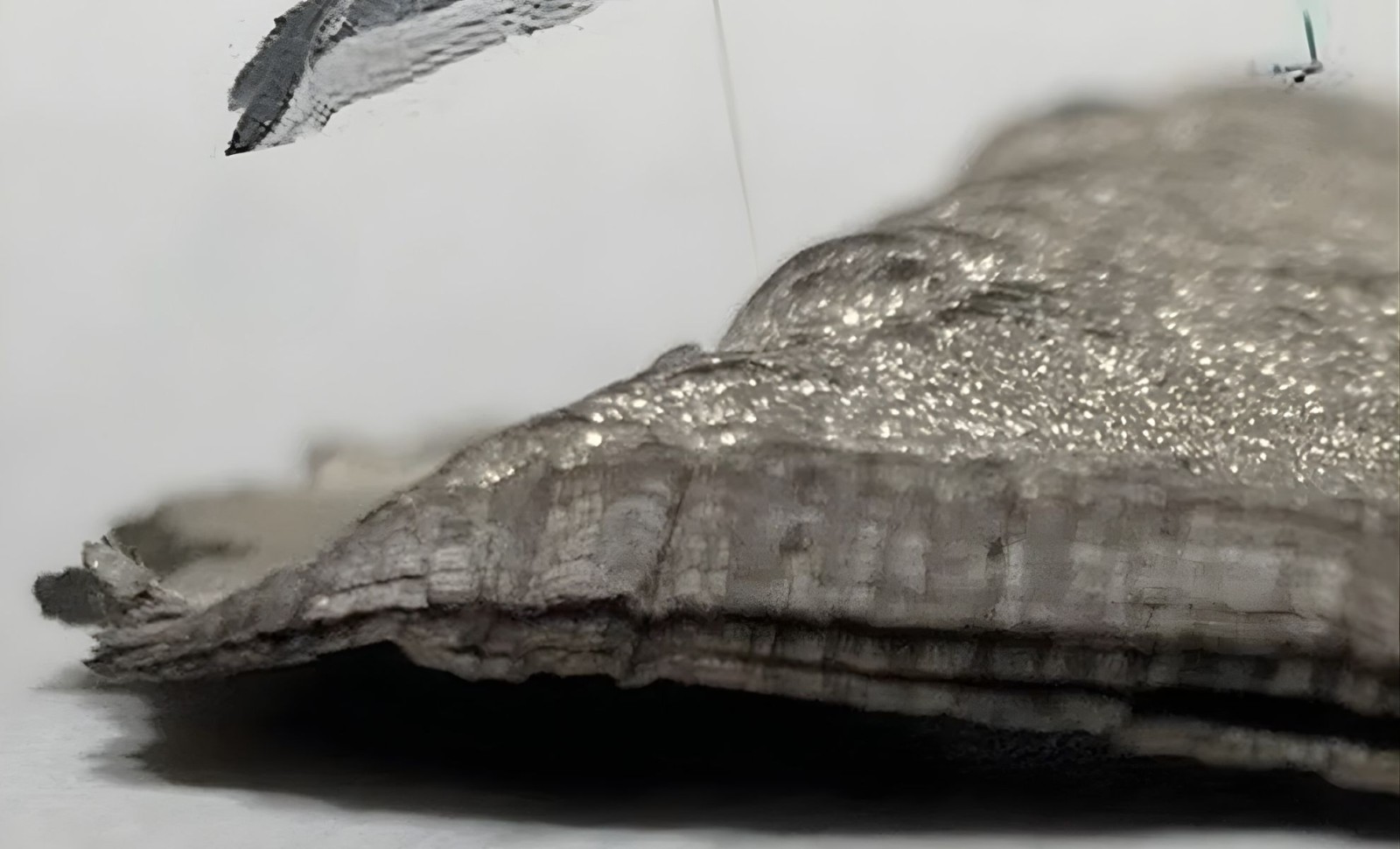
A strange metal fragment once hailed as potential proof of a UFO crash in 1947 has intrigued enthusiasts and fueled alien theories for years. However, thorough scientific examination has revealed the shard’s true nature is much more earthly than initially thought.
This metallic piece soared into public attention due to its alleged connection to the famous Roswell event, where a supposed flying saucer reportedly crashed in New Mexico. Over time, many hoped this fragment would unlock secrets about extraterrestrial visitors. Yet, detailed analysis now points to a far more conventional origin.
The Legacy of the Roswell Event
Few UFO stories are as renowned as the Roswell incident. In 1947, rumors emerged about a “flying disc” crashing in New Mexico. Although the military identified the debris as a downed weather balloon, skeptics questioned this explanation. Some believed the wreckage included materials from an alien spacecraft, sparking enduring intrigue.

Recently, the metal shard attracted the interest of Tom DeLonge’s To the Stars Academy, an organization focused on researching Unidentified Aerial Phenomena (UAP). Collaborating with the U.S. government’s All-Domain Anomaly Resolution Office (AARO), the group hoped the fragment might unveil details of UFO technology or extraterrestrial existence. Unexpectedly, findings pointed to a distinctly terrestrial source.
A Grounded Discovery: The Shard’s True Nature
Researchers at Oak Ridge National Laboratory (ORNL) determined that the fragment is composed mainly of magnesium and zinc, along with traces of bismuth, lead, and other metals, as detailed by a report from the All-domain Anomaly Resolution Office (AARO). The analysis aimed to detect any unusual properties suggesting alien origin, including theories of levitation technology. However, results indicated the shard is simply an unusual terrestrial metal sample, likely of human manufacture.
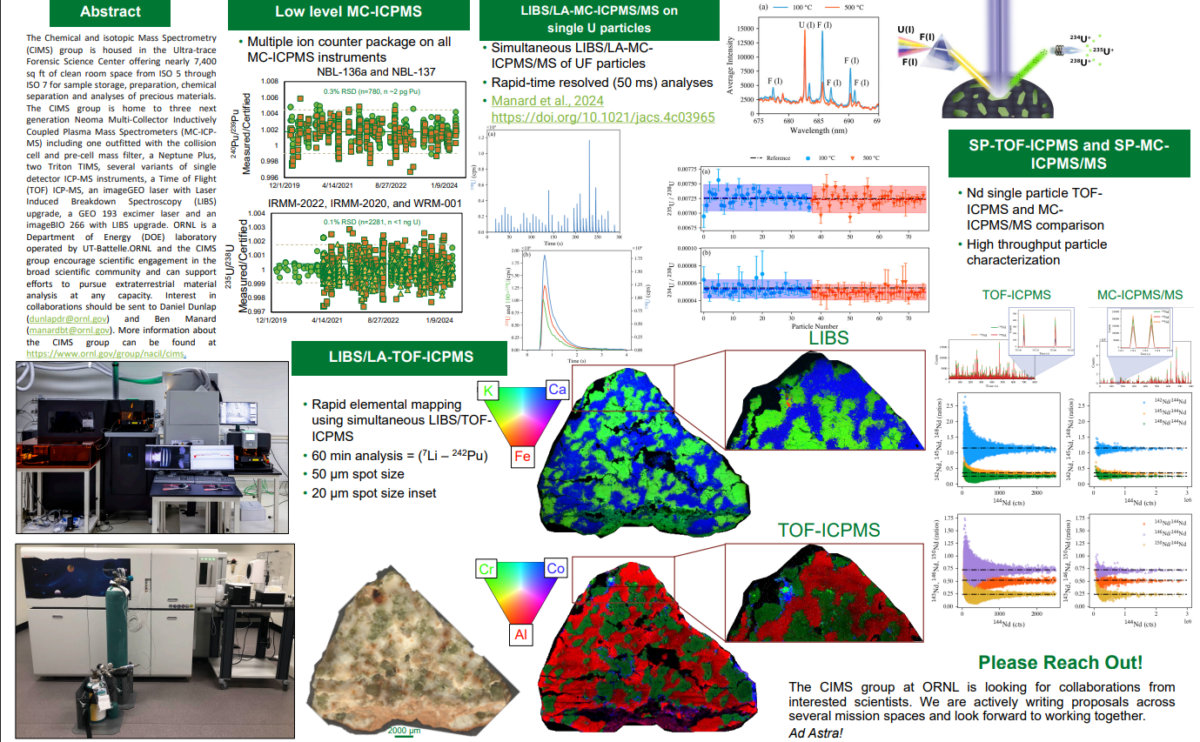
The team studied isotopic ratios—essentially the elemental "signatures"—of the fragment’s components. These matched known Earth-based isotopic values, such as magnesium isotopes consistent with our solar system’s natural makeup. No evidence was found of alien biosignatures or life-associated materials from other planets.
“Based on the technologies developed by humans, waveguides can only channel radiation for purposes of communication, data collection, or heating, but the conjecture for the UAP was that they were used for levitation,” As stated by Avi Loeb, PhD, a theoretical physicist from Harvard University, who did not participate in the research.
Unresolved Questions and Historical Context
Although the metal’s extraterrestrial origin has been ruled out, its precise history remains uncertain. Some researchers suggest the shard could stem from early experimental magnesium alloys developed during the post-World War II period.
During that era, magnesium alloy technology was advancing as engineers aimed to produce lighter, stronger materials for aviation. The shard might represent leftover debris from these pioneering aerospace efforts, fitting the timeframe in which it surfaced.
- Categories:
- Science











0 comments
Sign in to Comment