
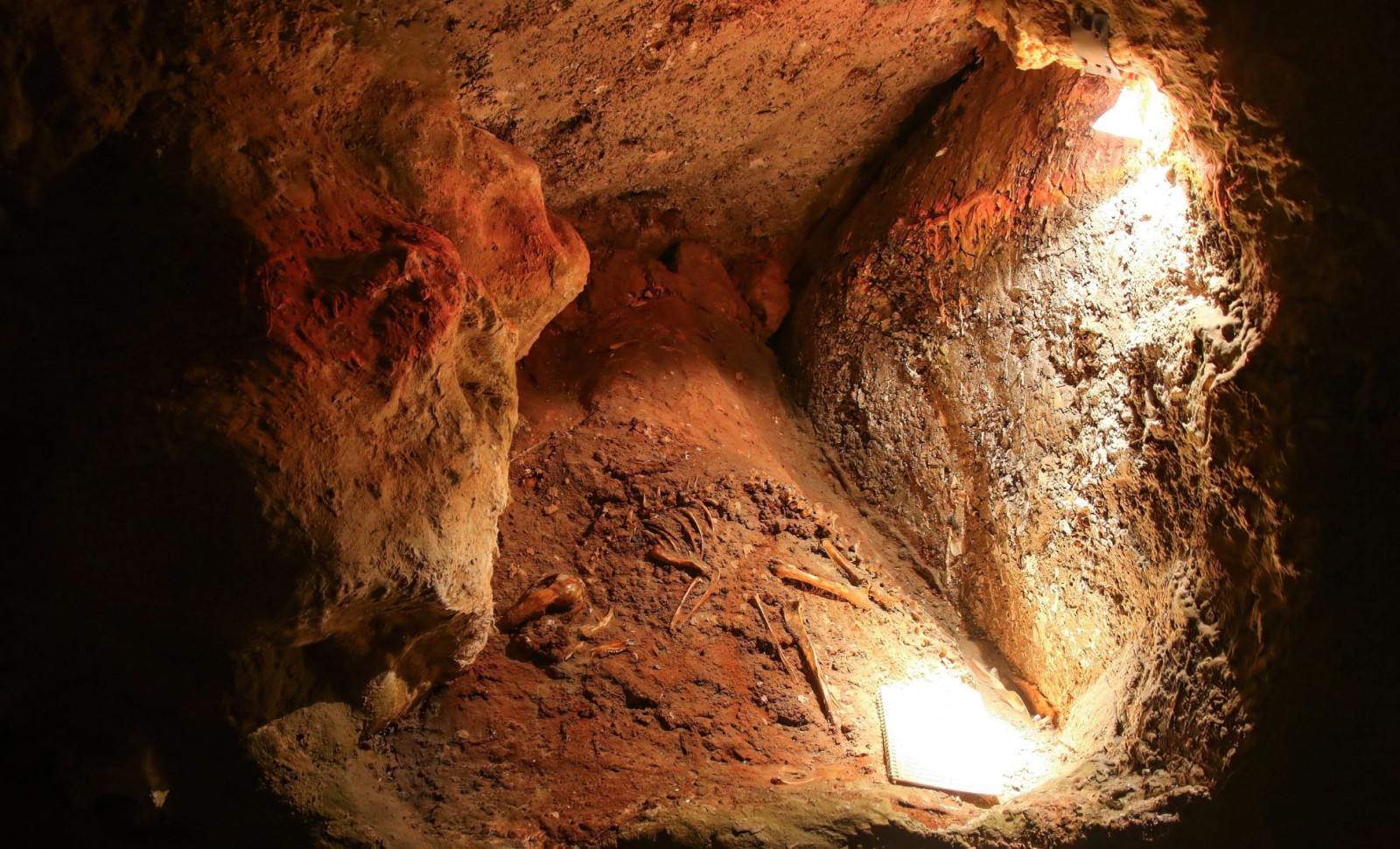
Researchers have uncovered an unusual fossilized skull inside a cave in western Australia, revealing a previously unknown species of koala that vanished millennia ago. For over 100 years, these remains were misattributed to the modern koala.
The species, dubbed Phascolarctos sulcomaxilliaris, roamed western Australia until approximately 28,000 years ago. Published in Royal Society Open Science, the research highlighted distinctive grooves in the skull that set it apart from any living koala.
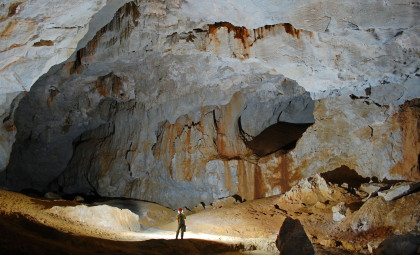
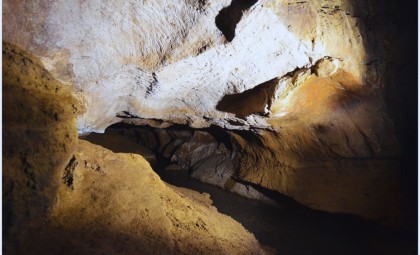
The discovery dates to 2024, when the Western Australian Museum received a donated koala skull originally collected from Moondyne Cave near Margaret River by spelunker Lindsay Hatcher. Scientists instantly recognized unusual indentations below the eye socket on the cheekbone.

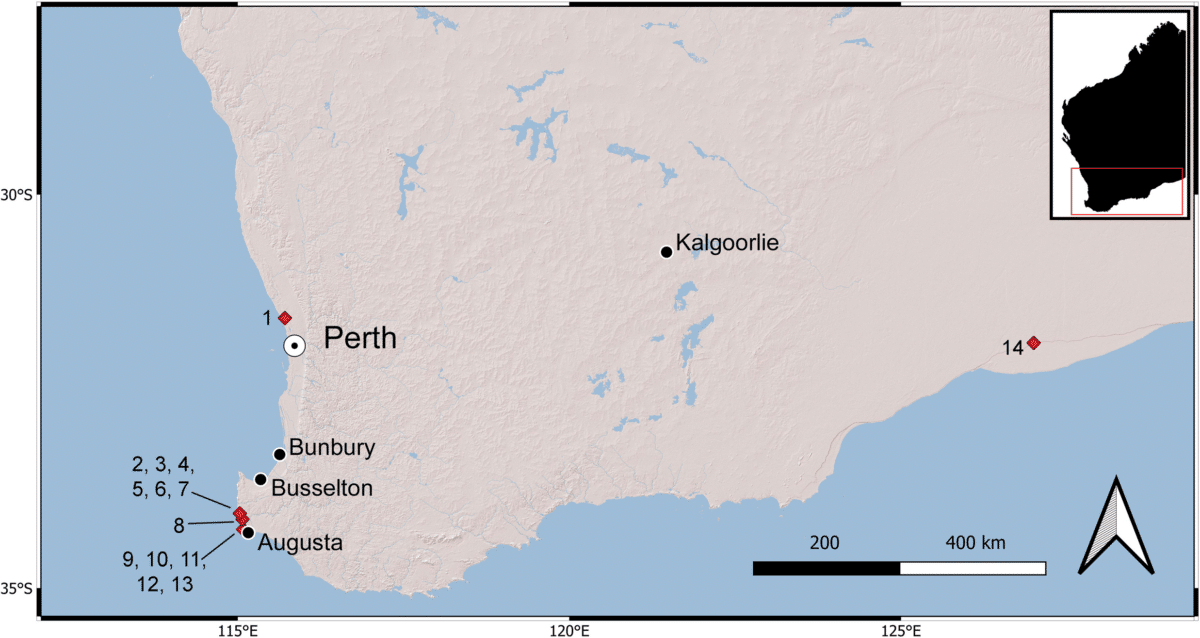
This feature prompted experts to reexamine koala fossils from western Australia discovered over the past century. While koalas no longer inhabit the area, fossils indicate they ranged from Margaret River to Yanchep and extended east toward Madura.
Fossil Evidence Altered Understanding of Koala Species
Previously, paleontologists believed that fossil koalas from Western Australia (WA) were the same species as the eastern Australian koalas, Phascolarctos cinereus. Much of the older fossil record consisted of fragmentary remains such as isolated teeth or jaw bones. However, more complete skulls recovered from caves in the last 25 years allowed a comprehensive comparison through skull morphology, dentition, and evolutionary patterns.
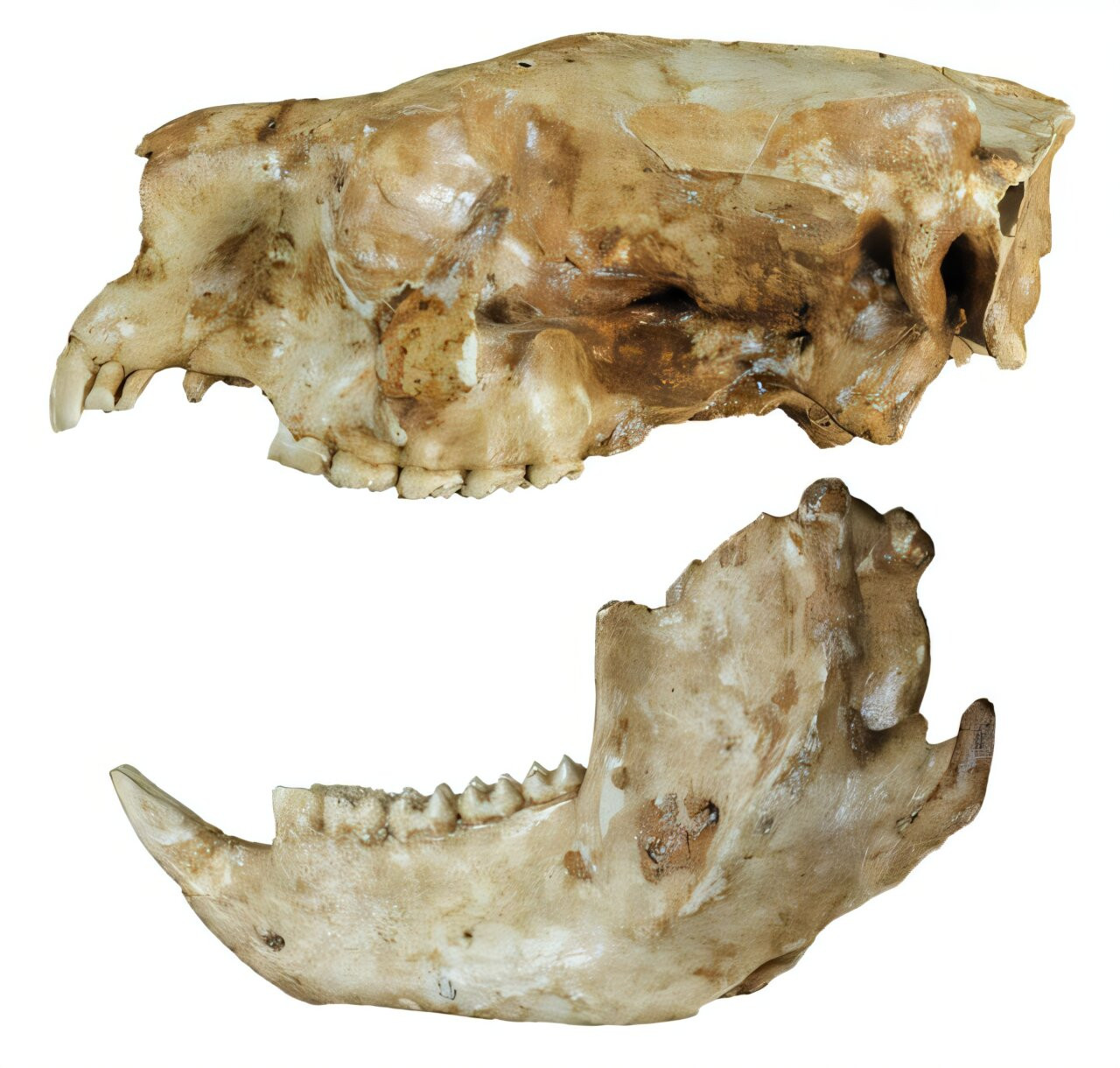
“These skulls, interpreted to belong to a male and female koala, are similar in body size to koalas from Victoria but differ markedly in being relatively much shorter in length and having obvious deeper concavities on the maxilla, below the zygomatic arch,” the authors wrote.
The study revealed distinct traits in the extinct species, including a shorter, more robust skull, broader teeth, and modifications near the ear bones. Limb bones appeared longer and more slender, hinting at a more gracile build compared to modern koalas.
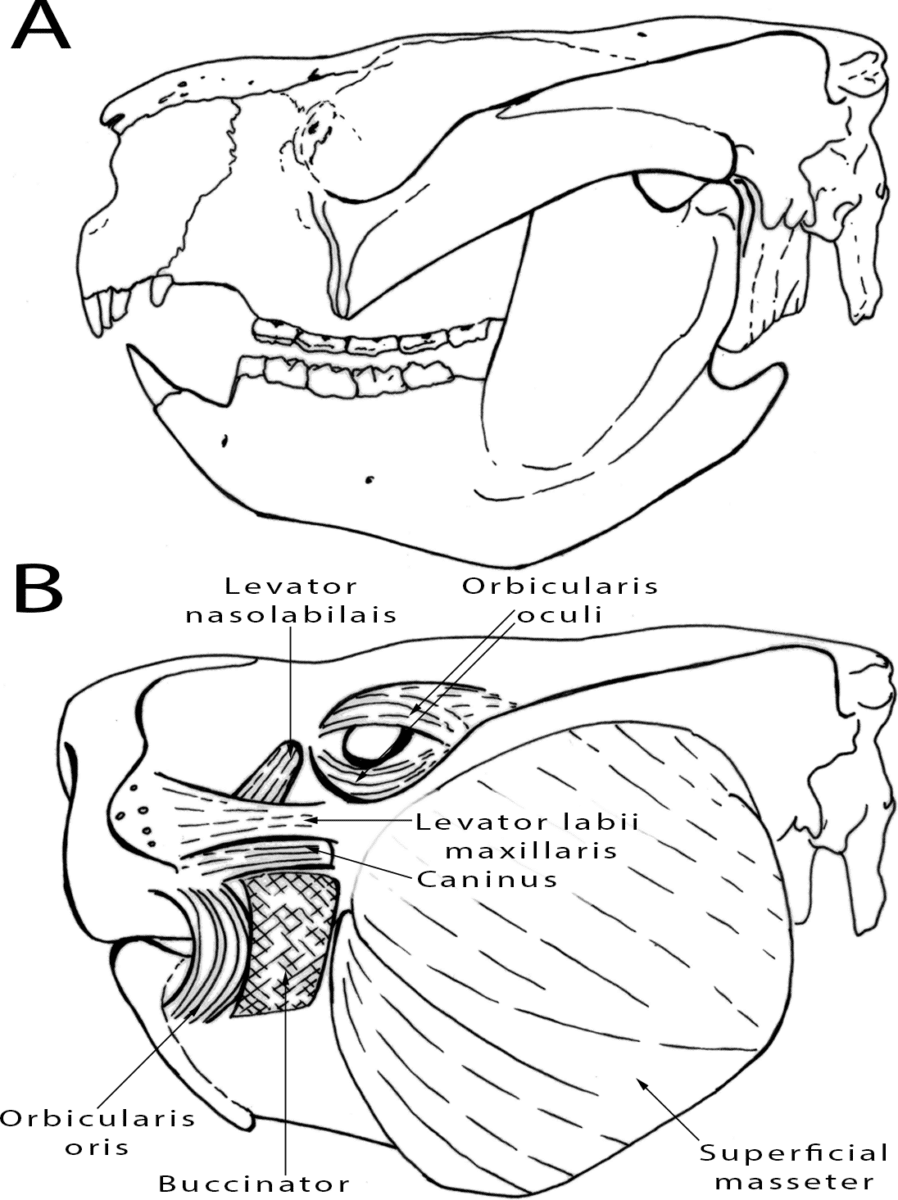
The defining characteristic was a groove beneath the eye socket, inspiring the species name sulcomaxilliaris, meaning “grooved upper jaw.” Scientists speculate this groove accommodated larger lip or nasal muscles, possibly aiding in consuming tougher vegetation or enhancing smell sensitivity when foraging.
Revisiting the Fossil Sites for Further Insights
The research team returned to the original fossil locations, including caves such as Koala Cave in Yanchep and Moondyne and Foundation Caves near Margaret River, collaborating with the Western Australian Speleological Group. Their objective was to more precisely date the fossils.
Utilizing uranium-thorium and radiocarbon dating methods, as explained in the Royal Society Open Science article, the species was estimated to have gone extinct around 28,000 years ago.
Simultaneously, pollen analyses indicated significant climatic shifts in southwestern Australia, with the environment becoming colder and drier and eucalyptus forests dramatically declining over millennia. As eucalyptus habitats are essential for koalas’ survival and diet, these environmental changes likely led to the extinction of the Western Australian species. The study noted:
“It probably went extinct in WA as a result of climate change during the late Pleistocene, which reduced eucalyptus forests to around 5% of their current cover, greatly limiting resources for food and shelter.”
Given koalas' dependence on stable ecosystems, the species' persistence until that time is somewhat remarkable.
Revealing New Perspectives on Koala Ancestry
This discovery broadens the known diversity of koalas that once inhabited Australia. Scientists now acknowledge four species from the last several million years, including the modern koala and the giant Phascolarctos stirtoni, which was nearly twice as large. The Western Australian koala highlights separate evolutionary paths across different regions of the continent.
Fossils initially discovered in Mammoth Cave around 1910 contribute to this expanded narrative. The study led by Kenny Travouillon and team enhances our understanding of how prehistoric Australian fauna adapted to environmental transformations and reveals the wealth of information still concealed within museum archives and cave systems.
- Categories:
- Science



0 comments
Sign in to Comment