
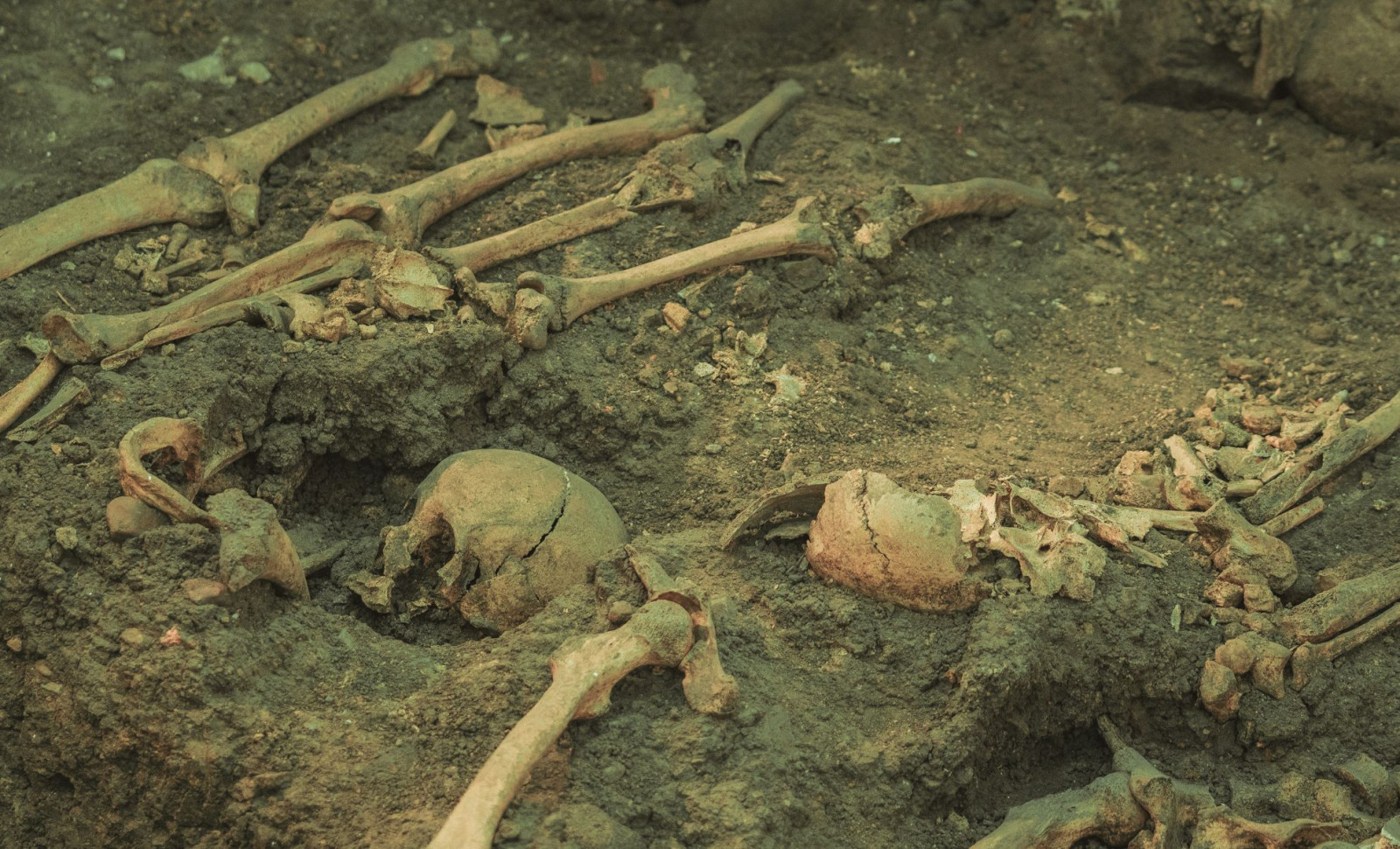
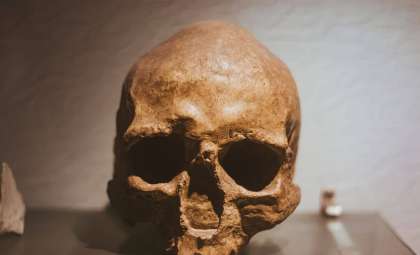
Researchers exploring Colombia have stumbled upon an extraordinary find: human remains dating back 6,000 years exhibiting DNA unlike any previously recorded ancient or modern lineage. These early inhabitants of the Bogotá Altiplano appear to be a lost population, leaving no clear genetic descendants and raising questions about their origins and fate.
These skeletal remains not only stand out because of their age but also challenge existing narratives about the settlement of South America. Although they occupied an area now known for many Indigenous cultures, this group’s genetic profile is unique. Their DNA shares certain traits with current Chibchan language speakers in Central America, but the exact relationship remains unknown.
Lost Ancestors Without Obvious Genetic Successors
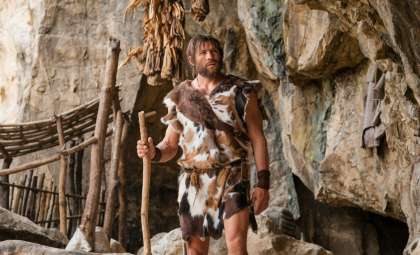
Approximately 6,000 years ago, a band of hunter-gatherers ventured into what we now identify as Colombia’s Bogotá Altiplano. Over millennia, they adopted agriculture but mysteriously vanished. Intriguingly, their DNA shows no relation to any historic or present-day South American populations, implying they left no identifiable genetic footprint.

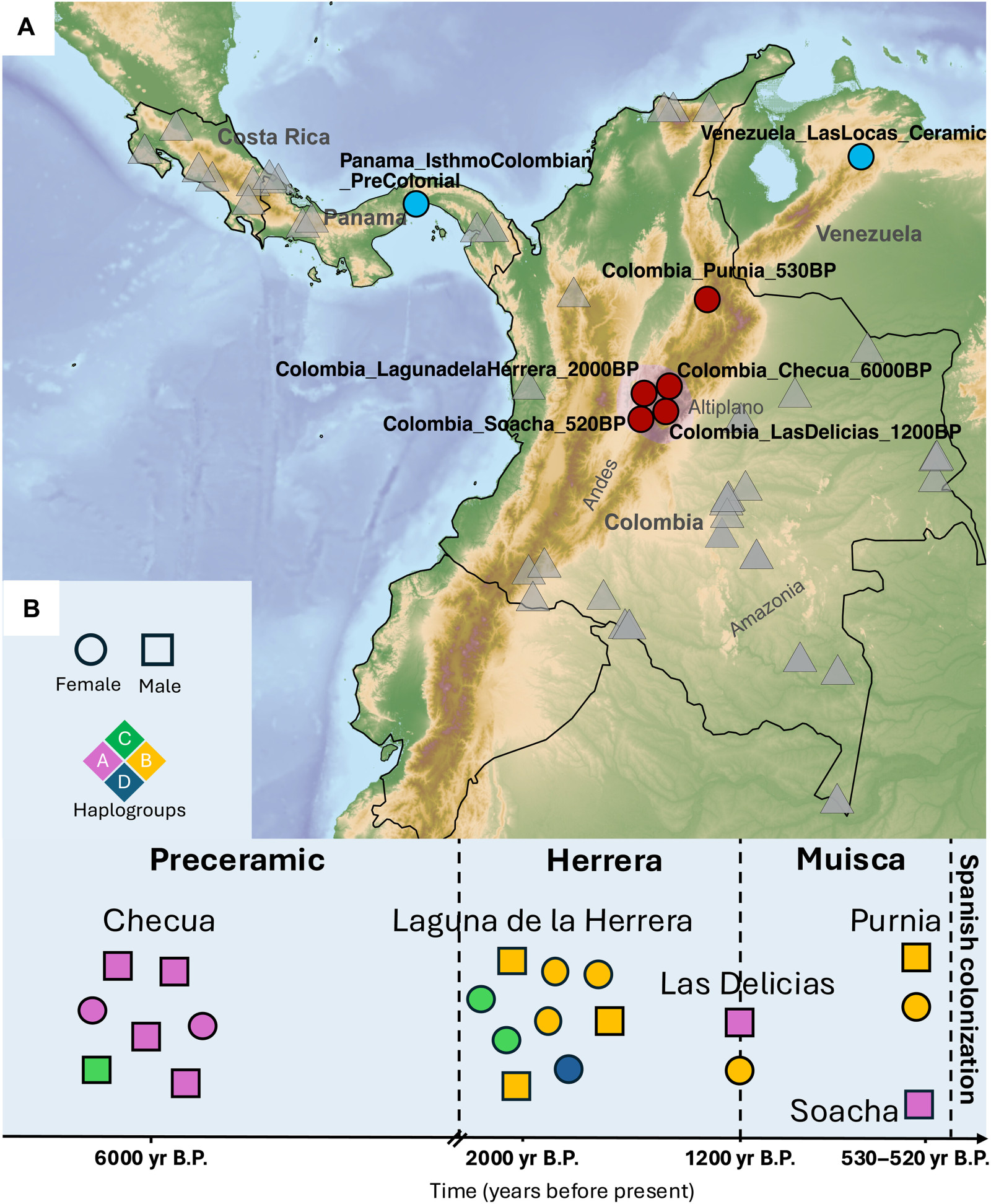
Genomic studies on the specimens indicate no overlap with Indigenous Colombian groups living in the same region after this population. Instead, their DNA reveals closer ties to groups in Panama, especially among those speaking Chibchan languages.
The mystery deepens: did these people assimilate into other groups, leaving behind subtle genetic remnants? Or did they migrate away and disappear entirely?
Exploring Language and Genetic Links
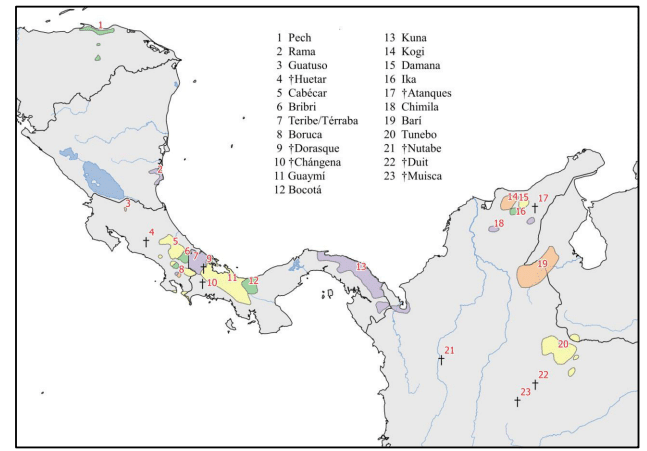
The Chibchan linguistic family currently unites Indigenous communities across parts of Panama. Scientists point to the genetic affinity between these ancient Colombians and modern Chibchan speakers as evidence of some historical association. However, it remains unconfirmed if those ancient peoples spoke an ancestral form of Chibchan.
It is hypothesized that over time, this early population may have intermixed with others, causing their unique genetic markers to become diluted. Nevertheless, their presence continues to influence the genetic mosaic of the area, despite no clear descendants today.
The Complex Route of Human Migration in the Americas
This intriguing finding, recently reported in Science Advances, contributes to broader efforts to decipher the peopling of the Americas. The Isthmus of Panama, a crucial corridor between North and South America, has always been pivotal for migration studies. Yet, many questions about the timing and origin of early settlers remain unanswered.
“The Isthmo-Colombian area, stretching from the coast of Honduras to the northern Colombian Andes, is critical to understanding the peopling of the Americas,” wrote the authors. “Besides being the land bridge between North and South America, it is at the center of the three major cultural regions of Mesoamerica, Amazonia, and the Andes.”
This region stays at the forefront of migration research, offering vital clues about the genetic and cultural complexity of early human groups.
“Ancient genomic data from neighboring areas along the Northern Andes that have not yet been analyzed through ancient genomics,” the researchers added, “such as western Colombia, western Venezuela, and Ecuador, will be pivotal to better define the timing and ancestry sources of human migrations into South America.”
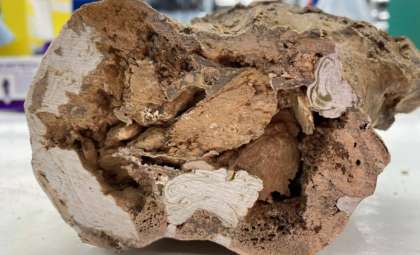
By examining the remains of 21 ancient individuals from this locale, scientists have reconstructed segments of the area’s genetic history. This new finding, highlighting a unique DNA profile, reveals how intricate the early migration patterns into the Americas truly were, suggesting the story of human settlement here is far from linear.
- Categories:
- Science




0 comments
Sign in to Comment