
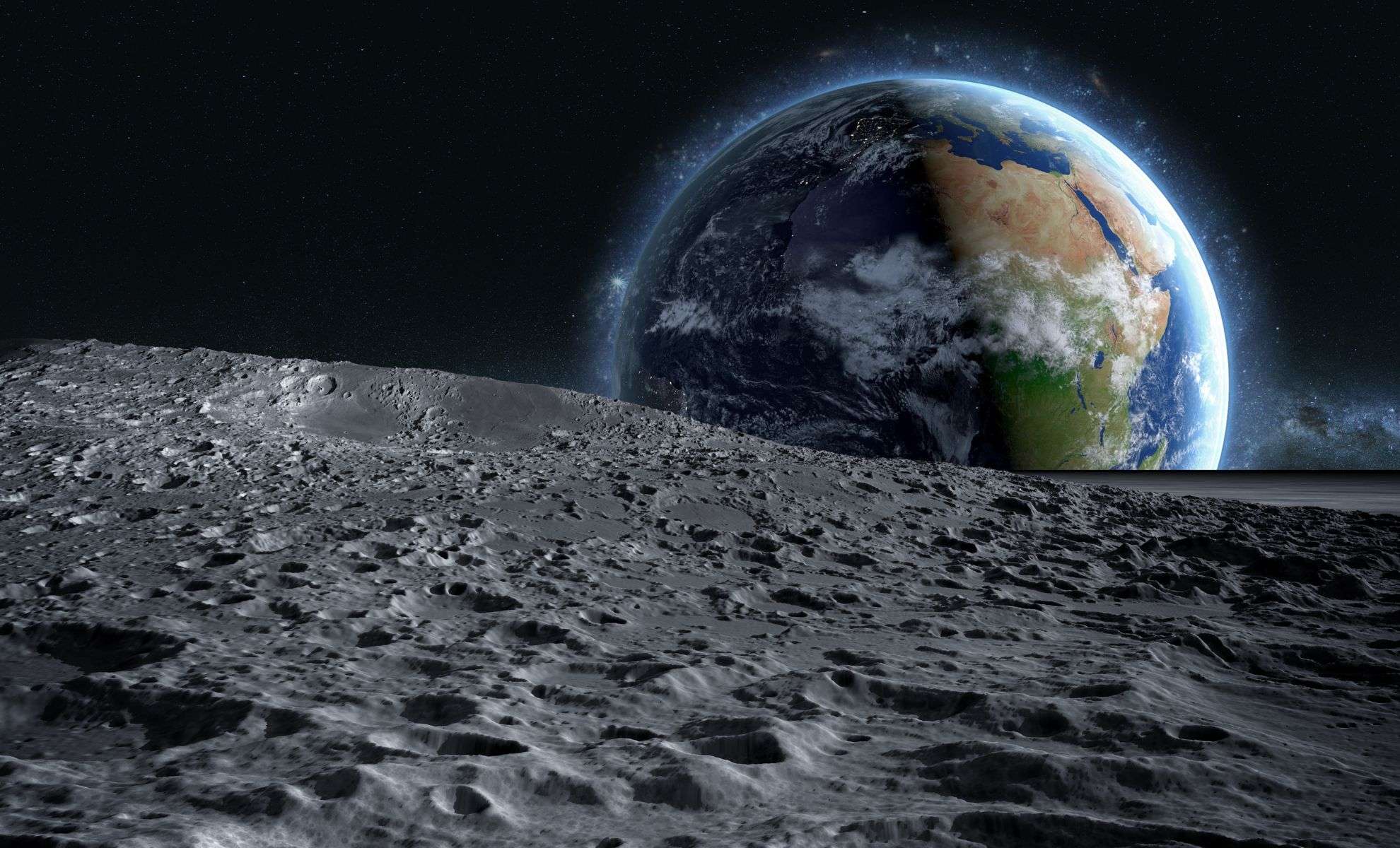
New research suggests the Moon may possess far greater economic potential than previously thought—not merely as a destination for exploration but as a vast repository of platinum-group metals. Scientists propose that thousands of lunar craters might harbor significant amounts of platinum, palladium, and rhodium, essential elements for cutting-edge technology and medical devices.
Guided by independent astronomer Jayanth Chennamangalam, the study, published in Planetary and Space Science, shifts attention from distant asteroids to the Moon, presenting it as a more accessible and resource-rich environment for future extraterrestrial mining.
The Role of Asteroid Collisions in Concentrating Metals on the Moon
The researchers argue that metals sought from asteroids in our solar system might already be deposited on the lunar surface due to ancient meteorite strikes. When metal-rich asteroids impacted the Moon, fragments from their cores could have been captured within the central peaks of large impact basins.

Data now supports the idea that fragments can survive these high-energy collisions. In massive craters, impact forces drive material toward the center, creating metal-rich deposits.
The study estimates approximately 6,500 craters larger than one kilometer in diameter may contain these valuable metals. Among them, 38 craters stand out; each is over 19 kilometers wide and has central peaks likely containing metal concentrations, marking them as prime sites for exploration.
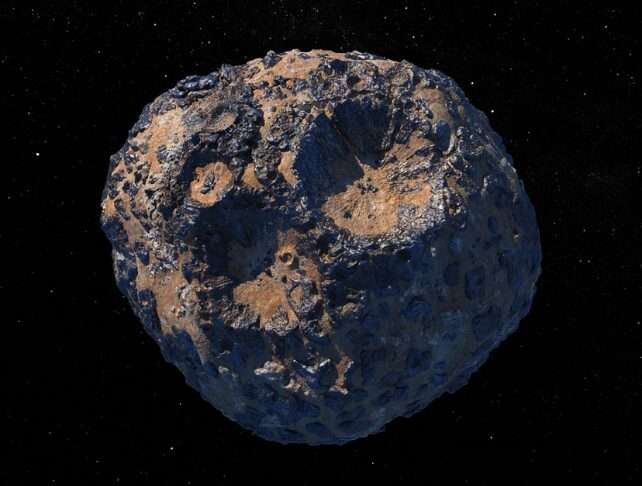
Lunar Metal Deposits May Surpass Near-Earth Asteroids in Accessibility and Volume
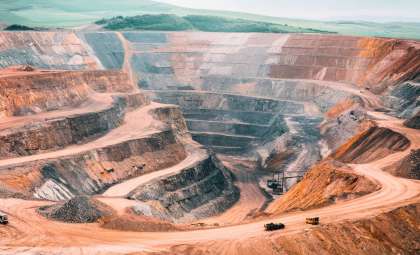
The investigation proposes that mining the Moon could be a more feasible alternative to targeting near-Earth asteroids, traditionally viewed as sources of rare materials. The authors emphasize that :
“It may be more advantageous, and hence more profitable, to mine asteroids that have impacted the Moon rather than the ones that are in orbit.”
This challenges the prevailing focus on near-Earth asteroid mining. The Moon’s proximity, stable orbit, and synchronous rotation make it more accessible. Additionally, based on a 2014 assessment by Martin Elvis, the number of platinum-laden craters on the lunar surface may outnumber potentially minable asteroids by a factor of ten to one hundred.
Despite the Moon's lower gravity and lack of atmosphere, the relative ease of travel and operation on its terrain position it as a highly attractive target for mining ventures.
As the study notes, “If we can monetise space resources — be it on the Moon or on asteroids — private enterprises will invest in the exploration of the solar system.”
Lunar Craters Containing Both Metals and Water Are Key Prospects for Future Exploration
Beyond metals, the research highlights the presence of hydrated minerals, which represent a potential reservoir of water crucial for supporting human activities on the Moon. The team estimates about 3,350 craters may contain these hydrated compounds. Focusing on craters larger than 19 kilometers yields 20 prime candidates with significant hydrated mineral deposits.
Notably, many water-bearing craters overlap with those rich in platinum, creating dual-resource locations that could be invaluable for sustainable lunar missions based on in-situ resource utilization.
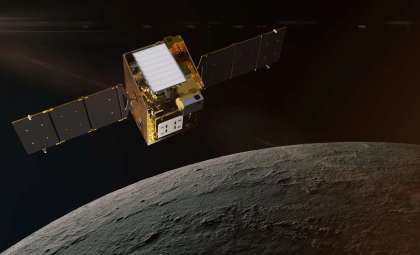
To pinpoint and validate these resource-rich zones, the authors suggest deploying remote sensing instruments from lunar orbit. This strategy offers a low-cost, low-risk method to identify the most promising locations before mission landings or mining operations.
- Categories:
- News


0 comments
Sign in to Comment