
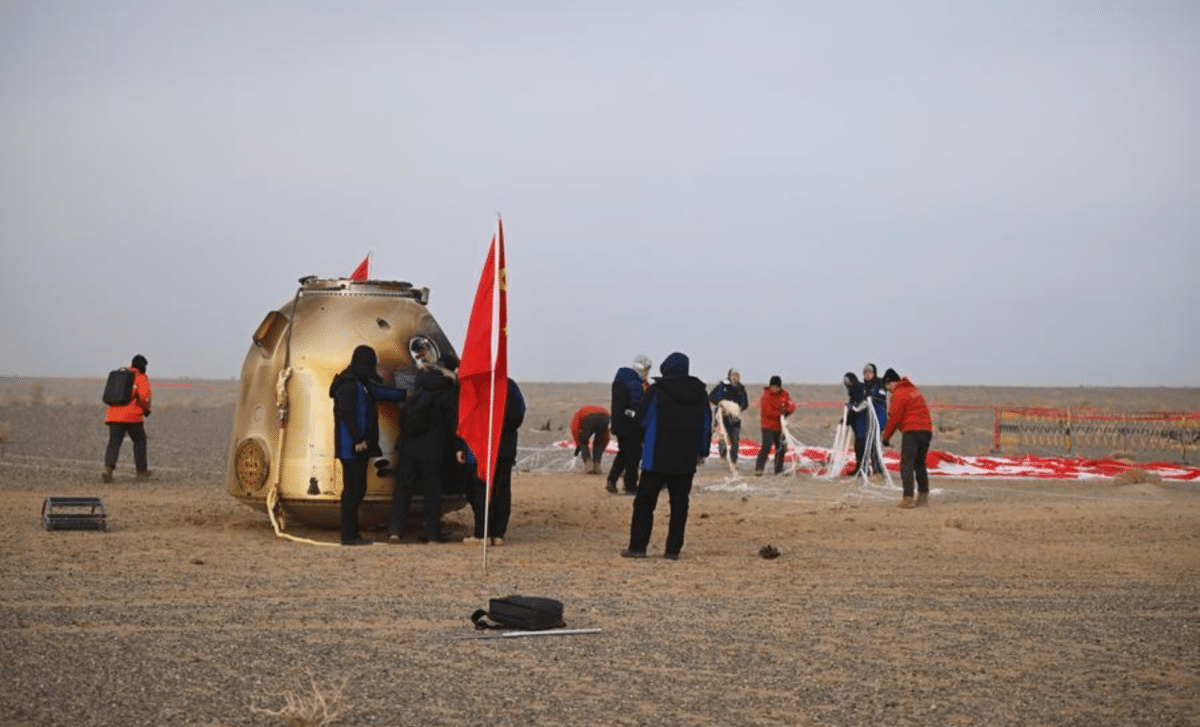
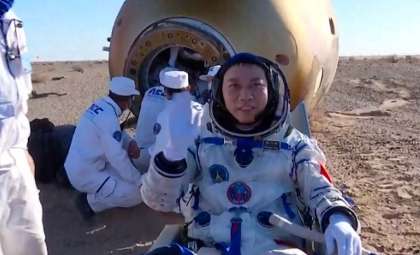
China’s Shenzhou-20 spacecraft has successfully concluded its journey, making a secure touchdown in Inner Mongolia on January 19, 2026, following a 270-day orbital mission. Labeled by CGTN as one of the nation’s most challenging human spaceflight endeavors, the mission was postponed due to a mid-flight event involving suspected orbital debris. What ensued was a complex series of repairs and emergency responses that safeguarded the capsule and showcased China’s advancing capability to handle space emergencies quickly and effectively.
A Landmark Touchdown Amidst Challenges and Repairs
On the morning of January 19, 2026, the Shenzhou-20 return capsule touched down safely at the Dongfeng landing zone in Inner Mongolia, closing one of China's most technically complex human spaceflights. According to CGTN, the China Manned Space Agency (CMSA) declared the mission fully accomplished after an on-site evaluation confirmed the capsule’s integrity post-reentry.
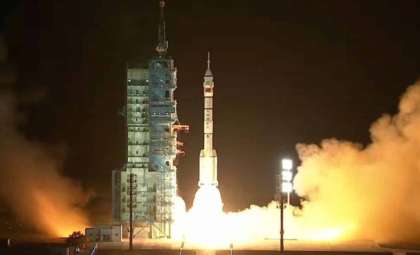
Launched initially on April 24, 2025, from the Jiuquan Satellite Launch Center, Shenzhou-20 was initially slated to complete a nine-month orbital stay, returning in November 2025. However, a suspected collision with orbital debris postponed the return schedule. This incident triggered a swift sequence of spacewalk inspections and on-site repairs that highlighted the technical prowess and emergency readiness of China's crewed spaceflight operations.

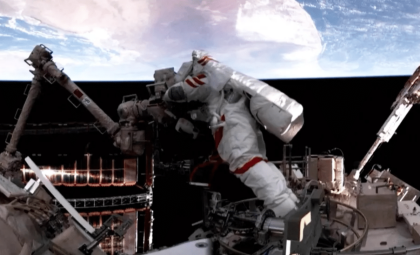
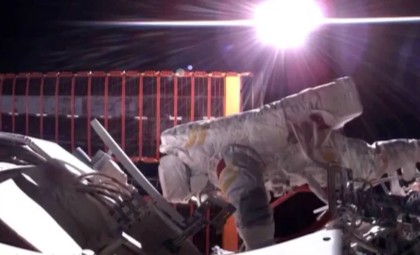
The main concern centered on a crack discovered in the capsule’s window near the mission's end. In an unprecedented move, CMSA authorized astronauts on the Shenzhou-21 spacecraft to perform a spacewalk on December 9 equipped with high-resolution cameras to document the damage. Following this, Shenzhou-22 was rapidly launched carrying a bespoke repair device aimed at reinforcing the capsule’s thermal shielding and seal for reentry.
Shenzhou-20 Emergency Timeline: A Close Call in Space
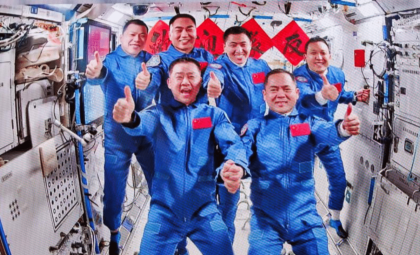
After detecting the crack, mission control promptly conducted extensive risk assessments and modified return procedures to avert disaster. The Shenzhou-20 crew was evacuated early, returning aboard Shenzhou-21 on November 14, 2025, in what was termed by CMSA as an “emergency reroute.”
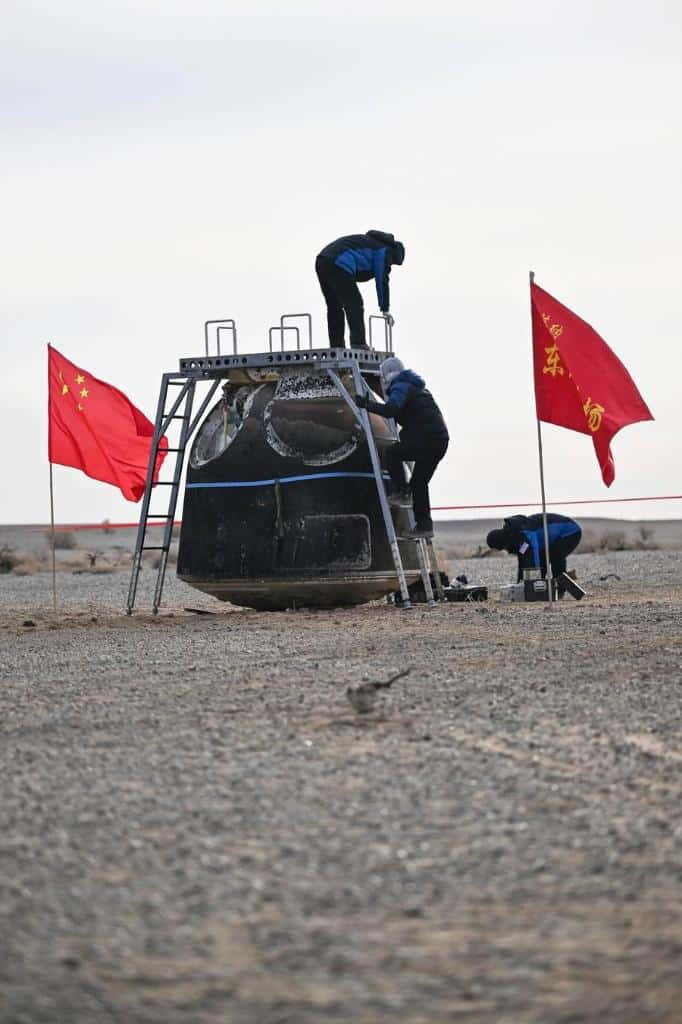
This series of events led to China’s first-ever rapid-response launch with Shenzhou-22 on November 25, delivering essential repair hardware to secure the damaged spacecraft and ensure its unmanned return.
These developments underscored China’s maturing space capabilities, including orbital logistics, crew safety, and complex remote operations. The Shenzhou-20 capsule’s 270-day orbital duration confirmed the durability of Chinese crew vehicles in low Earth orbit.
Implications for China’s Manned Space Endeavors
The safe return of Shenzhou-20 carries significance beyond the mission itself. It demonstrates China’s independent ability to resolve in-orbit technical problems and highlights the robustness of the Tiangong space station program, which features redundancy, modular systems, and emergency operation readiness.
Executing three overlapping missions—Shenzhou-20, 21, and 22—within weeks illustrates the depth of China’s operational capabilities. The arrival of Shenzhou-23 at Jiuquan and the preparedness of the Long March-2F Y23 rocket indicate a forward-looking strategy focused on maintaining a continuous, resilient orbital presence.
On the global stage, this mission boosts China’s stature as a competent and reliable spacefaring nation, capable of managing complex multi-vehicle operations and demonstrating technical expertise comparable to other leading space agencies.
- Categories:
- Space






0 comments
Sign in to Comment