
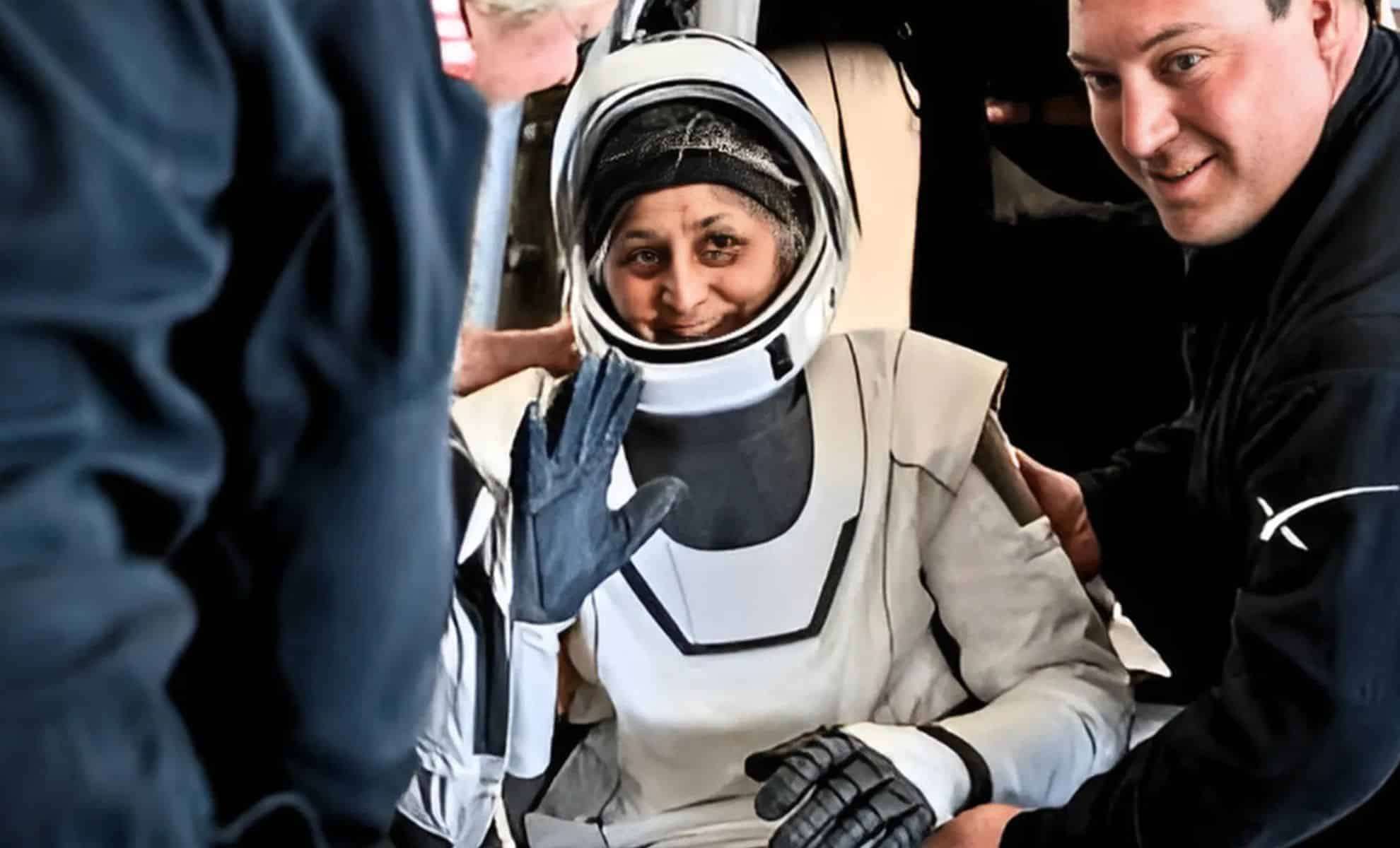
Astronauts Sunita Williams and Butch Wilmore have safely landed back on Earth following an unplanned extension of their space mission. Originally slated for just eight days, their expedition on the International Space Station (ISS) stretched to an astonishing nine months. Their adventure commenced on June 5, 2024, aboard the Boeing Starliner spacecraft, and concluded yesterday morning when they touched down in SpaceX’s Dragon capsule.
An Unexpected Journey Home
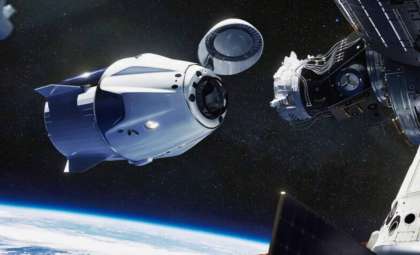
Technical complications with the Boeing Starliner, including propulsion malfunctions, rendered the capsule unsafe for re-entry, forcing Williams and Wilmore to remain aboard the ISS much longer than intended. With their initial short-term mission evolving into an extended stay, NASA enlisted SpaceX to orchestrate their safe return.
Together with fellow astronauts Nick Hague from NASA and Roscosmos cosmonaut Aleksandr Gorbunov, the quartet spent approximately 17 hours travelling back to Earth.

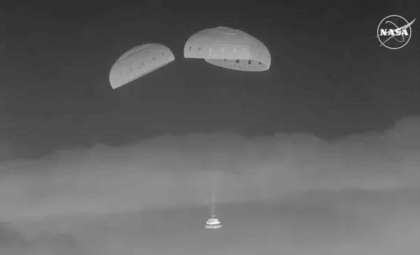
At 3:27 am local Florida time, the Dragon spacecraft deployed its parachutes and made a successful ocean splashdown, 44 minutes after initiating the critical deorbit burn at 2:41 am, which slowed the craft’s descent through Earth’s atmosphere.
Chronology of the Return
The Crew-9 team detached from the ISS at 10:35 am IST, with NASA releasing footage capturing the spacecraft’s separation from the space station. Their trip home ended months of uncertainty.
Following multiple postponements, in September 2024, a SpaceX Dragon vehicle arrived at the ISS carrying a relief crew. Although initially planned to transport four astronauts, this mission adapted to accommodate Williams and Wilmore alongside two others.
Under the leadership of Elon Musk, SpaceX managed the complex return operation. The Falcon 9 rocket successfully launched the Dragon capsule, bringing the stranded astronauts home safely.
Enduring Challenges of Extended Spaceflight
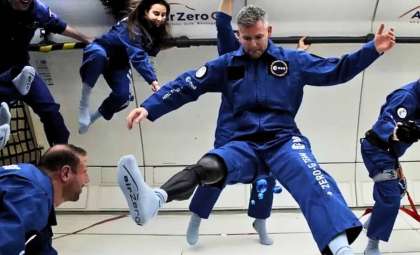
An extended period in orbit presents astronauts with significant health hurdles. They face bone density degradation, loss of muscle strength, and heightened exposure to hazardous space radiation. Data from NASA indicates that space travelers can lose roughly 1% bone mass per month if countermeasures are not applied.
Microgravity causes muscles to atrophy because they are no longer required to support body weight, complicating even routine movements.
Additionally, astronauts endure increased radiation risks due to the absence of Earth's protective atmosphere and magnetic shield.
Message of Support from the Indian Prime Minister
As Williams embarked on her return, she received an encouraging letter from Prime Minister Narendra Modi. The note publicly celebrated her resilience and accomplishments during the unprecedented mission.
Shared by Union Minister Jitendra Singh, the letter dated March 1, conveyed the pride of over 1.4 billion Indians in Williams’ achievements in space.
During visits to the U.S., Modi spoke with President Donald Trump and former President Joe Biden about Williams’ groundbreaking work, highlighting national admiration.
The Prime Minister commended her courage and determination throughout the challenges of her extended mission.
Looking Ahead to Space Exploration
The triumphant return of Crew-9 highlights the essential partnership between government agencies like NASA and commercial ventures such as SpaceX in pushing forward human spaceflight capabilities. Williams’ prolonged mission accentuates the need for ongoing advancements to protect astronauts during lengthy space expeditions.
While marking the conclusion of a historic voyage for Sunita Williams and Butch Wilmore, their extended stay on the ISS sets a precedent influencing how the space community approaches future long-duration missions amid the evolving frontier of exploration.






0 comments
Sign in to Comment