
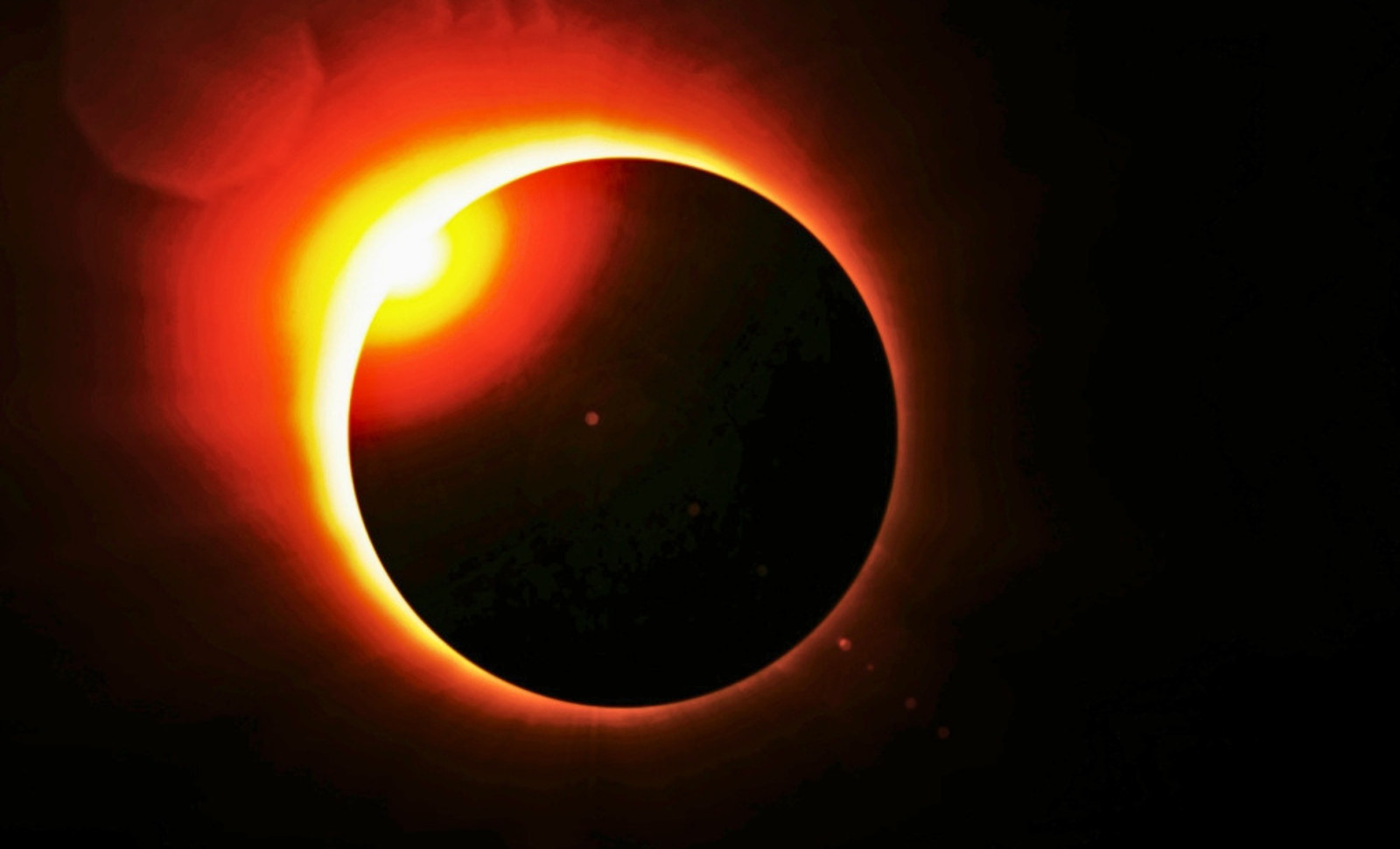
On August 12, 2026, a spectacular total solar eclipse will trace a path through the Arctic, Greenland, Iceland, and northern Spain. The Moon’s shadow, known as the umbra, will darken parts of the Northern Hemisphere in the late afternoon and early evening, offering a rare celestial spectacle. According to NASA’s eclipse tracking maps, totality will last up to 2 minutes and 18.2 seconds at its peak duration over the North Atlantic Ocean.
This eclipse is a highlight of Saros series 126, a repeating cycle of eclipses every 18 years and 11 days. The August 2026 event marks the longest totality within this Saros family, earning attention for its exceptional duration. However, this does not represent the longest eclipse ever, as total solar eclipses can exceed 7 minutes under optimal orbital circumstances.
For residents in Europe, this will be the most convenient opportunity to witness totality since March 2015. Notably, northern Spain will experience its first umbral shadow event since 1912. Adding to the excitement, a second total eclipse will occur over southern Spain just a year later in August 2027, as detailed in NASA’s future eclipses database.

Regions Experiencing the Total Shadow
The eclipse’s path starts in Russia’s far northern reaches, crossing the Taymyr Peninsula and isolated Siberian landscapes before moving over the Arctic Ocean. It then glides across Greenland’s vast ice fields, touches Iceland’s western shores including Reykjavík, and continues southeast over the North Atlantic toward Europe.
Expert eclipse tracker Fred Espenak’s interactive map on Eclipsewise.com shows the umbra making its final continental appearance across northern Spain, traversing Cantabria, Basque Country, Castile and León, La Rioja, Aragon, and Valencia, concluding near the Balearic Islands as the Sun sets.
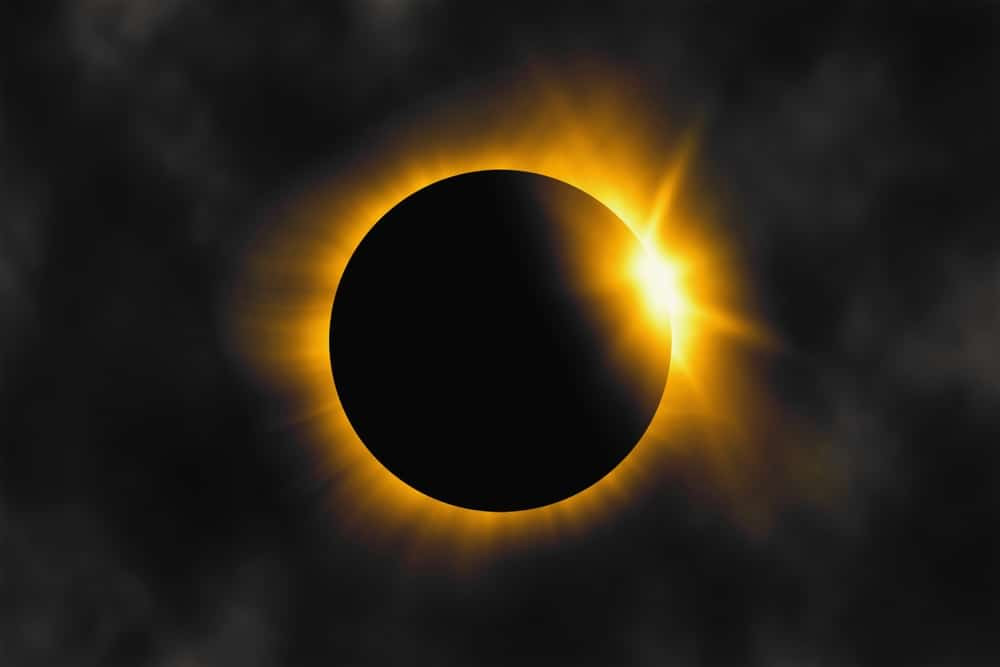
In Spain, totality will be visible in cities including Bilbao, Santander, Burgos, Valladolid, Zaragoza, and Valencia, occurring close to the horizon in the west. This low solar altitude presents unique challenges and opportunities for observers and photographers. Additionally, a sliver of northeastern Portugal near Guadramil and Rio de Onor will experience a brief total eclipse.
Beyond the narrow corridor of full coverage, a partial eclipse will darken the sun across a broad area. Its penumbra will stretch over most of Europe, northern Africa above the equator, the northeastern edge of North America including parts of Atlantic Canada and Maine, and extensive portions of the Atlantic and Arctic seas.
Major capitals such as London, Paris, Berlin, and Rome will witness significant partial obscuration of the Sun. The eclipse’s timing coinciding with late afternoon will create a unique interplay of sunset hues and eclipse shadow.
The Meaning Behind the "Longest" Eclipse Description
Solar eclipses repeat according to the Saros cycle, lasting roughly 223 synodic months (approximately 18 years, 11 days, and 8 hours), aligning the Sun, Moon, and Earth similarly again. Saros 126 has produced eclipses in 1954, 1972, and 1990, shifting somewhat in location and duration each cycle.

According to Eclipsewise.com data, the August 12, 2026, eclipse registers as the longest totality phase within the entire Saros 126 timeline. That means no other event in this series eclipses its 2 minutes and 18.2 seconds duration. This claim is notable but applies only to this specific Saros family, not eclipses worldwide.
When media mention that such a lengthy eclipse won’t recur “for 157 years,” they reference the time until a similar Saros 126 eclipse with comparable duration happens again. It’s important to note that the longest total solar eclipses, such as the June 20, 1955 event, can exceed 7 minutes. Thus, while impressive regionally, the 2026 eclipse is moderate by the global standards of eclipse duration.
Viewing Tips and Upcoming Solar Events
Proper safety measures are critical for watching a solar eclipse. During partial phases, it’s essential to use ISO 12312-2 certified solar filters. Ordinary sunglasses cannot adequately protect eyes from harmful ultraviolet and infrared rays, which risk permanent eye damage. Cameras, telescopes, and binoculars also need secure solar filters positioned on their front lenses.
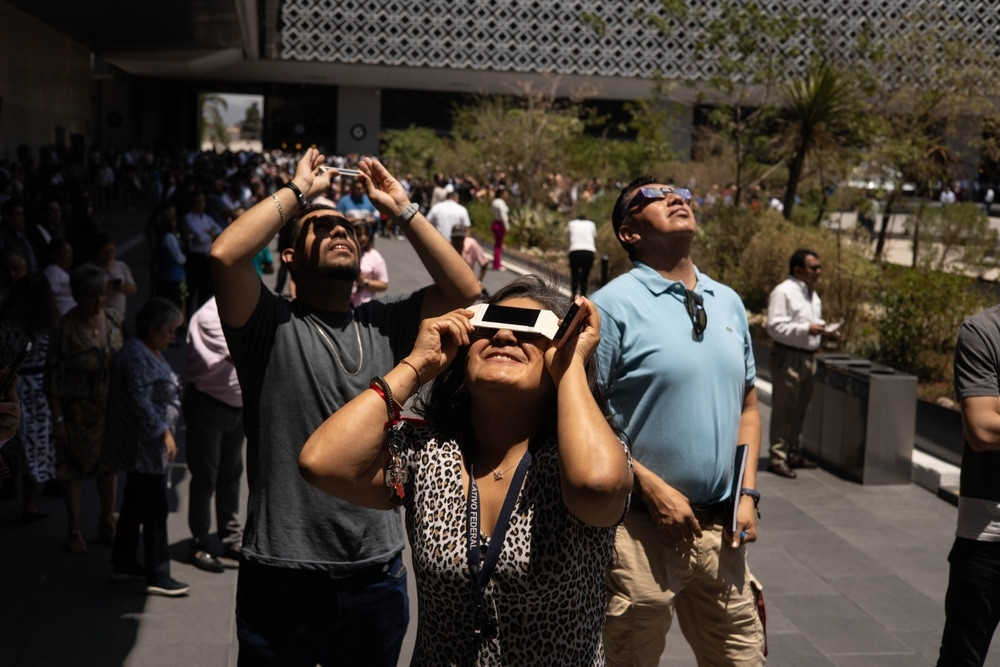
Only during the brief interval of totality, when the Moon fully covers the Sun’s photosphere, is it safe to view the eclipse without filters. For viewers in Iceland and Spain, this fragile period will last roughly one to two minutes. As soon as sunlight returns, protective eyewear must be worn again. Organizations like NASA and eye care specialists caution that looking directly at the Sun without protection outside totality can cause solar retinopathy, a permanent eye injury without remedy.
After the 2026 event, the next major eclipses are on the horizon. On February 6, 2027, an annular solar eclipse will sweep parts of southern South America and western Africa, visible from countries including Chile, Argentina, Uruguay, and Brazil. Then, on August 2, 2027, a total solar eclipse will pass over southern Spain, North Africa, and the Arabian Peninsula, creating a rare two-year stretch of total eclipses crossing the Iberian Peninsula.
- Categories:
- Astronomy





0 comments
Sign in to Comment