
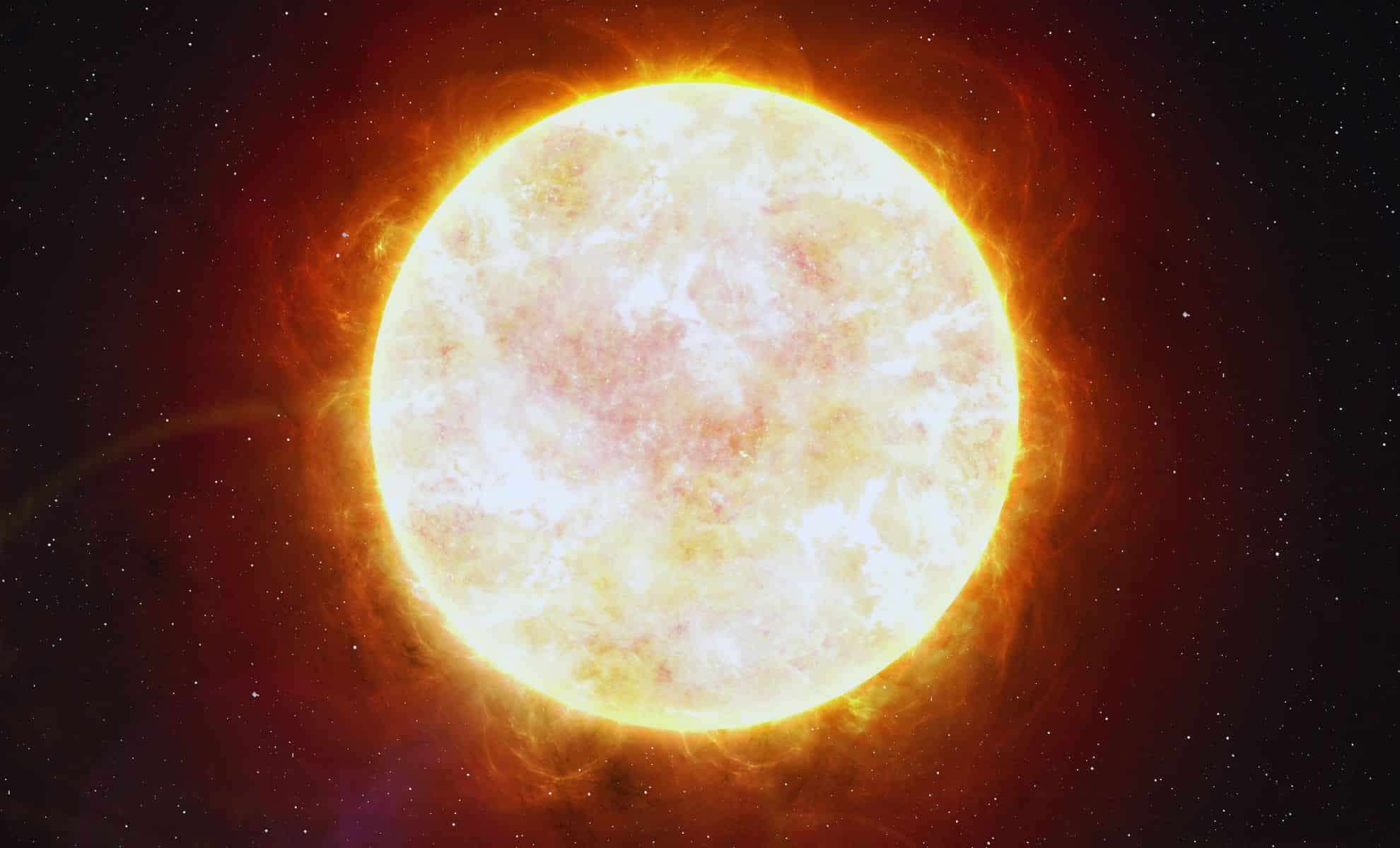
Recent research published in The Astrophysical Journal Letters highlights a startling discovery by NASA scientists: contrary to prior beliefs that the Sun was entering a prolonged dormant phase, it has actually been increasing its activity levels since 2008. Led by Jamie Jasinski from NASA’s Jet Propulsion Laboratory, this study overturns earlier assumptions and prompts new questions about the behavior and cycles of our star.
An Unexpected Shift in Solar Behavior
Solar researchers had largely agreed that the Sun was moving toward an extended period of minimal activity. From the 1980s through 2008, measurements such as sunspot counts and the strength of the solar wind consistently decreased. In fact, 2008 marked the lowest solar activity ever recorded, fueling predictions of a multi-decade calm similar to historical low-activity eras seen in the 17th and early 19th centuries.
However, observations took an unforeseen turn. Instead of continuing downward, the Sun’s activity began climbing again. Jasinski and his colleagues were quick to identify this reversal. “Expectations were pointed toward extended inactivity,” he noted, “so seeing the trend reverse was surprising. The Sun appears to be awakening from its slumber.”

Implications for Earth's Space Weather
The upsurge in solar activity carries significant implications beyond academic circles. Increased occurrences of solar flares, coronal mass ejections, and energetic particles heighten the risk of disturbances to vital systems on Earth, including GPS navigation, communications, satellites, and electrical power infrastructure.
NASA is closely monitoring these developments, particularly as the Artemis missions prepare to send humans back to the Moon and eventually to Mars. Elevated solar radiation creates greater hazards for astronauts, making precise monitoring and forecasting critical. Understanding and predicting solar activity now plays a key role in safeguarding human space exploration.
To support this, NASA and NOAA will launch a series of observatories on September 23: IMAP, the Carruthers Geocorona Observatory, and SWFO-L1. These instruments will provide fresh insights, enhance space weather prediction capabilities, and help scientists anticipate solar events that could impact technology and astronauts.
Decoding Solar Trends Across Centuries
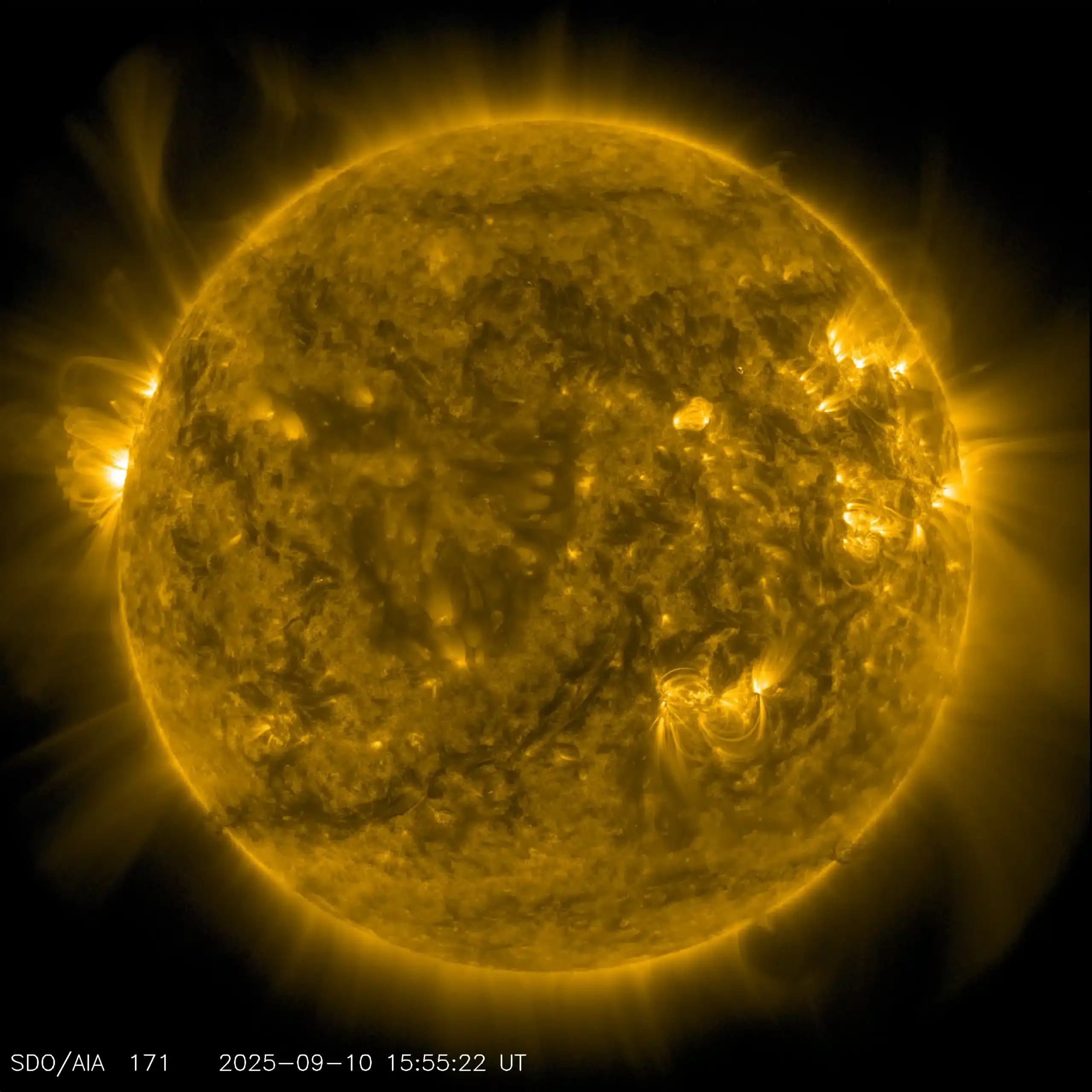
While solar activity typically follows an 11-year cycle, longer-term variations spanning decades or centuries remain poorly understood. Between 1645 and 1715, the Sun experienced an extended quiet period known as the Maunder Minimum. A similar lull occurred from 1790 to 1830, but the underlying causes are still unknown. As Jasinski commented, “The reasons behind the 40-year decline starting in 1790 are unclear… long-duration solar trends are unpredictable and not yet fully explained.”
The year 2008 was crucial because it was widely expected that a similar lengthy period of low solar output was beginning. Instead, the Sun reversed direction. Jasinski’s team examined data from NASA’s OMNIWeb Plus database, which aggregates measurements from various spacecraft, including ACE and Wind, both operational since the 1990s.
These space missions function as continuous solar health monitors, tracking parameters such as solar wind velocity, plasma temperatures, and magnetic field intensity. Since 2008, all these indicators have shown an upward trend, demonstrating the Sun’s increasing activity rather than a retreat into quietude.
- Categories:
- News









0 comments
Sign in to Comment