
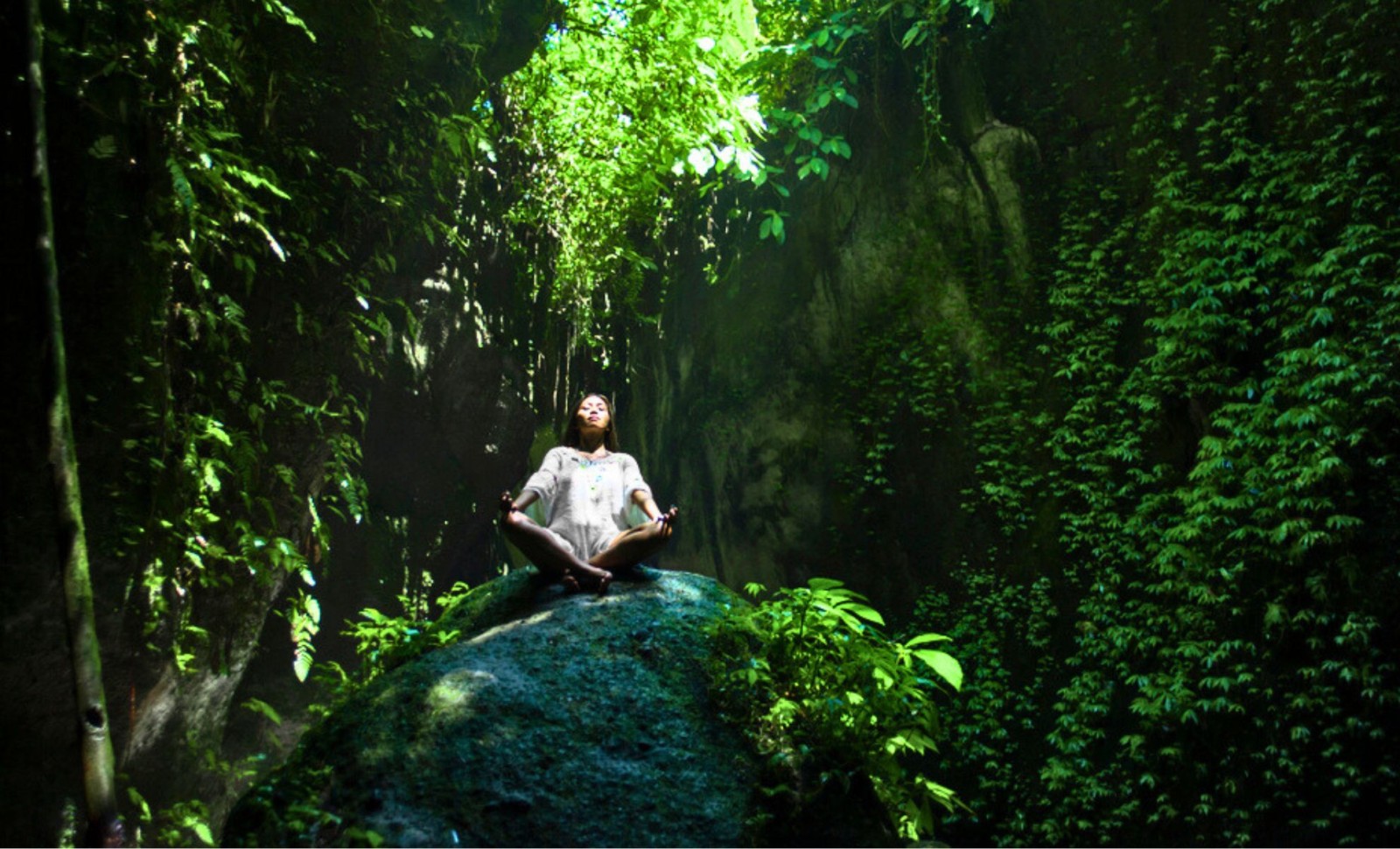
Deep in a forest close to Zurich, evolutionary anthropologist Colin Shaw stands barefoot on moist earth as rain drizzles down through beech leaves. Surrounding him, participants sit in stillness, quietly breathing, listening, and observing. This is not a spa retreat but a vital scientific study analyzing how natural surroundings influence human bodily functions.
While it may seem obvious that nature promotes well-being, Shaw’s research dives further. His team presents evidence suggesting that the modern industrialized world is not merely overwhelming but potentially incompatible with the physiological design of humans. From blood pressure and cognitive health to reproductive capabilities, their findings indicate our bodies are struggling to adapt to modern living conditions.
The consequences are increasingly concerning, they warn.

Our Evolutionary Blueprint vs. Today’s World
In a 2025 study published in Biological Reviews, Shaw and his co-author Daniel P. Longman from Loughborough University present the environmental mismatch hypothesis. They argue that human biology developed over thousands of years in low-stimulus, nature-abundant environments, but now faces disruption from the artificial, dense, and fast-paced settings characteristic of modern society.
“Industrialization has radically altered our natural habitats,” their paper explains, “introducing new environmental stressors while eliminating essential natural elements tied to health and physiological balance.”
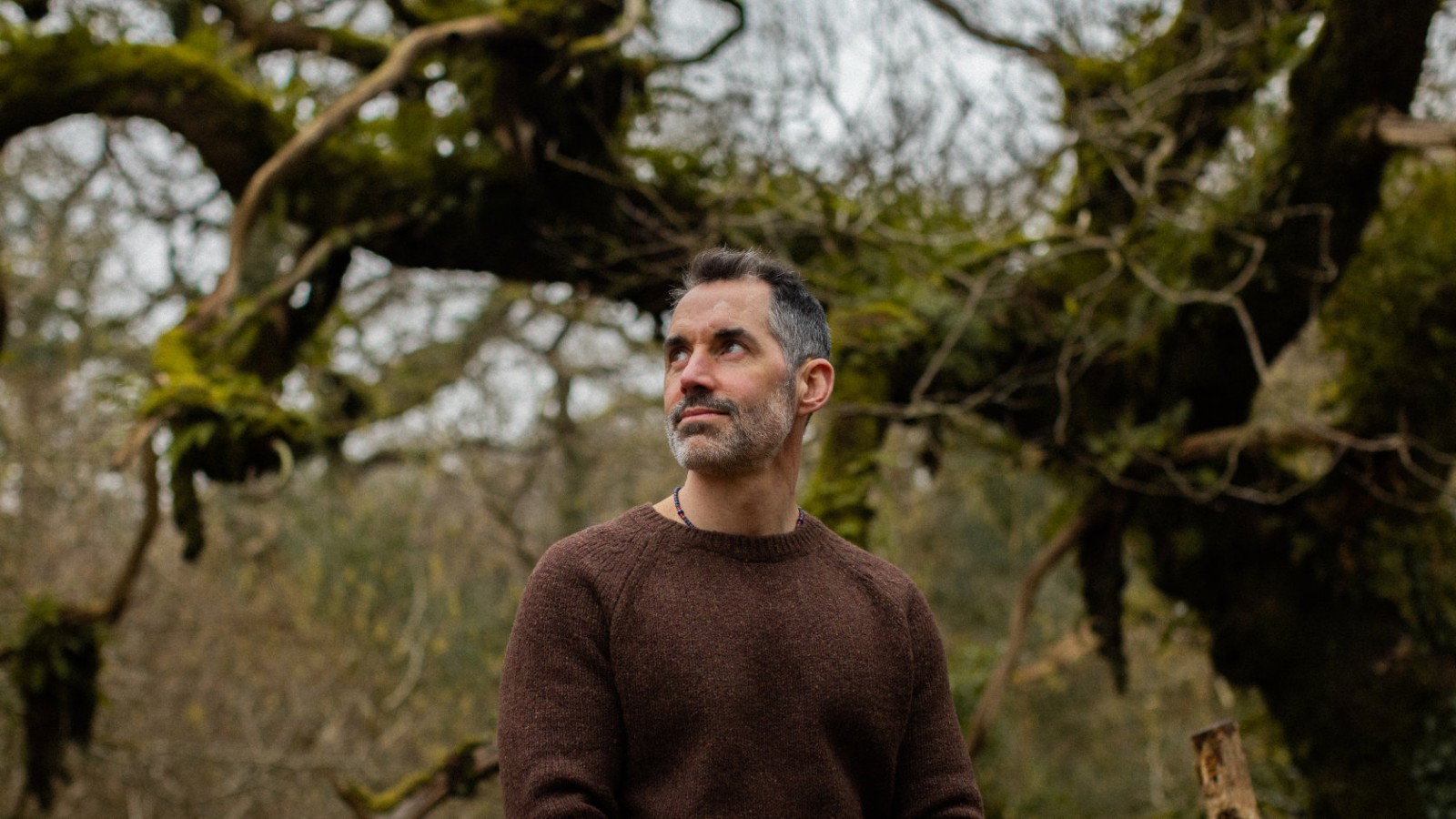
The authors suggest this mismatch could be driving increases in chronic inflammation, stress disorders, and declining fertility rates. Critical bodily systems—including reproductive, immune, and mental health—are manifesting signs of dysfunction. They reference worldwide drops in sperm quantity and quality since the 1950s, attributing them to factors like environmental pollutants, microplastic contamination, and constant sensory bombardment.
The biological design remains unchanged; it’s the environment that has shifted dramatically.
Nature as a Vital Medicine, Not a Luxury
To validate their theory empirically, Shaw’s group at the University of Zurich conducted a field study with 160 subjects in three locations: a conifer forest near Zurich, a deciduous woodland close to Lausanne, and an urban concrete area near Hardbrücke station.
Participants spent hours immersed in one setting, engaging in walking, sitting, and observation. Researchers measured biomarkers—via blood and saliva samples—both before and after the sessions. They assessed blood pressure, cortisol, immune response, and psychological indicators like mood and focus.
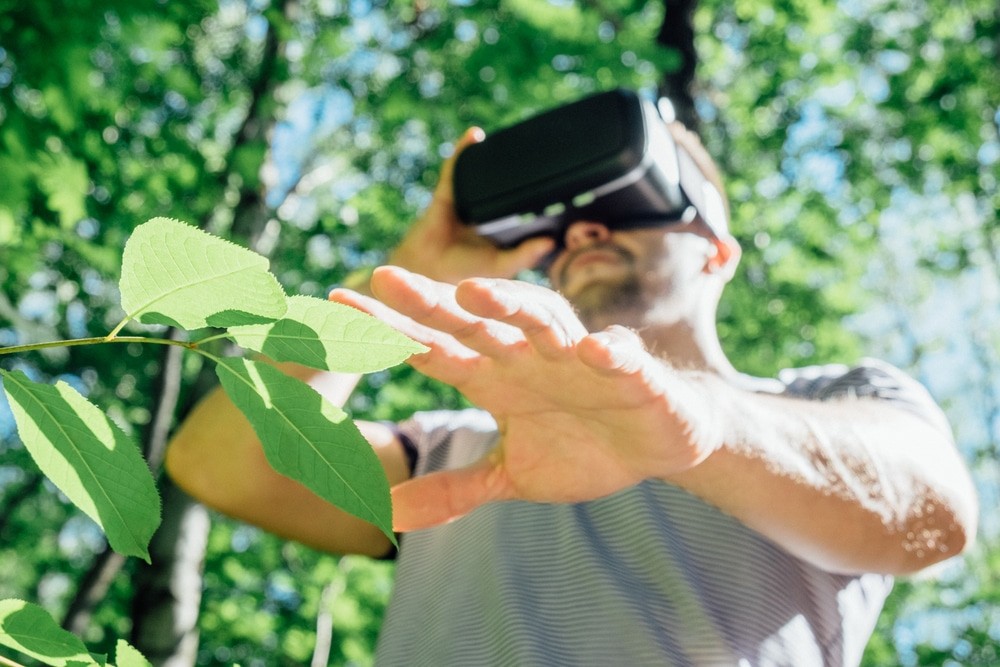
Findings, published by UZH News, revealed that those exposed to forests exhibited beneficial physiological shifts: lowered blood pressure, enhanced immune activity, and improved emotional well-being. Conversely, participants in urban surroundings experienced elevated stress markers.
While not a clinical trial, Shaw views these insights as grounds to integrate nature exposure within public health frameworks rather than viewing it as a mere lifestyle option. Supporting this, a 2021 review highlights consistent immune benefits from nature contact across various demographic groups. In Japan, the practice of shinrin-yoku, or forest bathing, is widely embraced to alleviate stress-related ailments.
The Urban Stress Paradigm
The challenge extends beyond lack of greenery. It concerns the nervous system’s ancestral design for threat response, now persistently triggered by constant city stimuli—honking cars, nonstop digital alerts, crowded public transport, and artificial lighting simulate the presence of predators, keeping stress systems perpetually active.
“Our ancestors evolved to handle acute, short-term dangers,” Shaw explained in an interview with UZH News. “The difference today is that the threat never disappears.” He likened daily urban stress to facing relentless predators, saying, “It’s like encountering lion after lion continuously.”
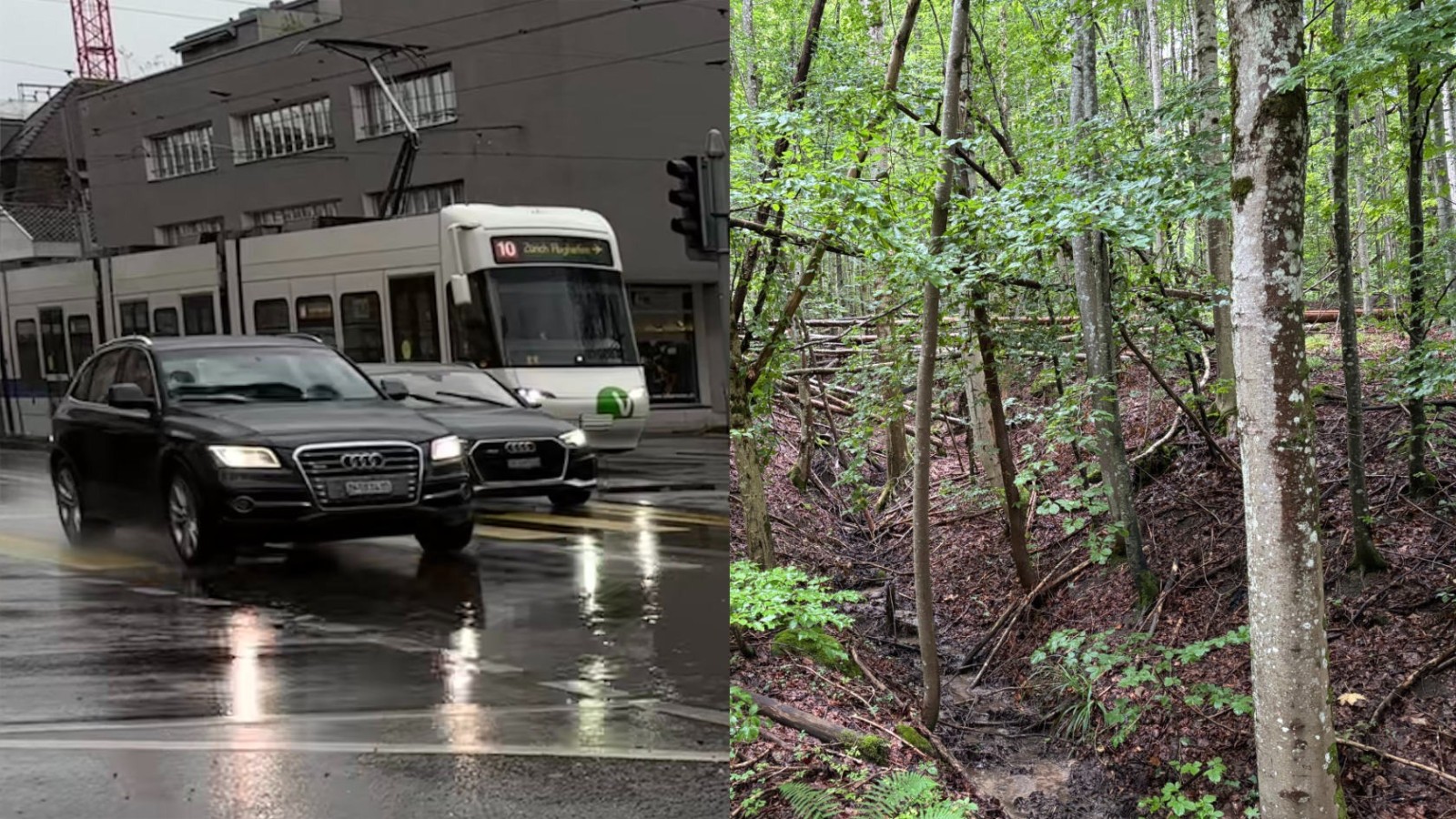
Prolonged stress disturbs hormonal regulation, exhausts immune defenses, and contributes to sleep disturbances, anxiety, and chronic fatigue. Research published in Environmental Research associates long-term urban exposure with heightened inflammation and increased cardiovascular risks.
This dilemma affects more than half the world’s population—over 4.5 billion urban dwellers, a figure expected to climb to 6.5 billion by 2050 per UN forecasts. Without intervention, we risk shaping lives around stimuli our biology is ill-equipped to handle.
Designing Human-Friendly Spaces for the Future
Adaptation through evolution is slow, spanning millennia. However, Shaw and Longman contend that deliberate environmental planning can provide an immediate solution. This includes conceptualizing urban parks, green corridors, and tranquil zones as critical infrastructure rather than optional extras.
Their work supports increasing international advocacy for recognizing nature as a core component of public health policy. The European Environment Agency now incorporates green space into health assessments, and the International Union for Conservation of Nature (IUCN) champions “nature-positive” urban development strategies.
In remarks to ScienceDaily, Shaw emphasized, “We must improve our urban environments while simultaneously restoring, appreciating, and spending more time in natural settings.”
The goal isn't to romanticize the past but to harmonize our future with our biological heritage.
- Categories:
- News












0 comments
Sign in to Comment