
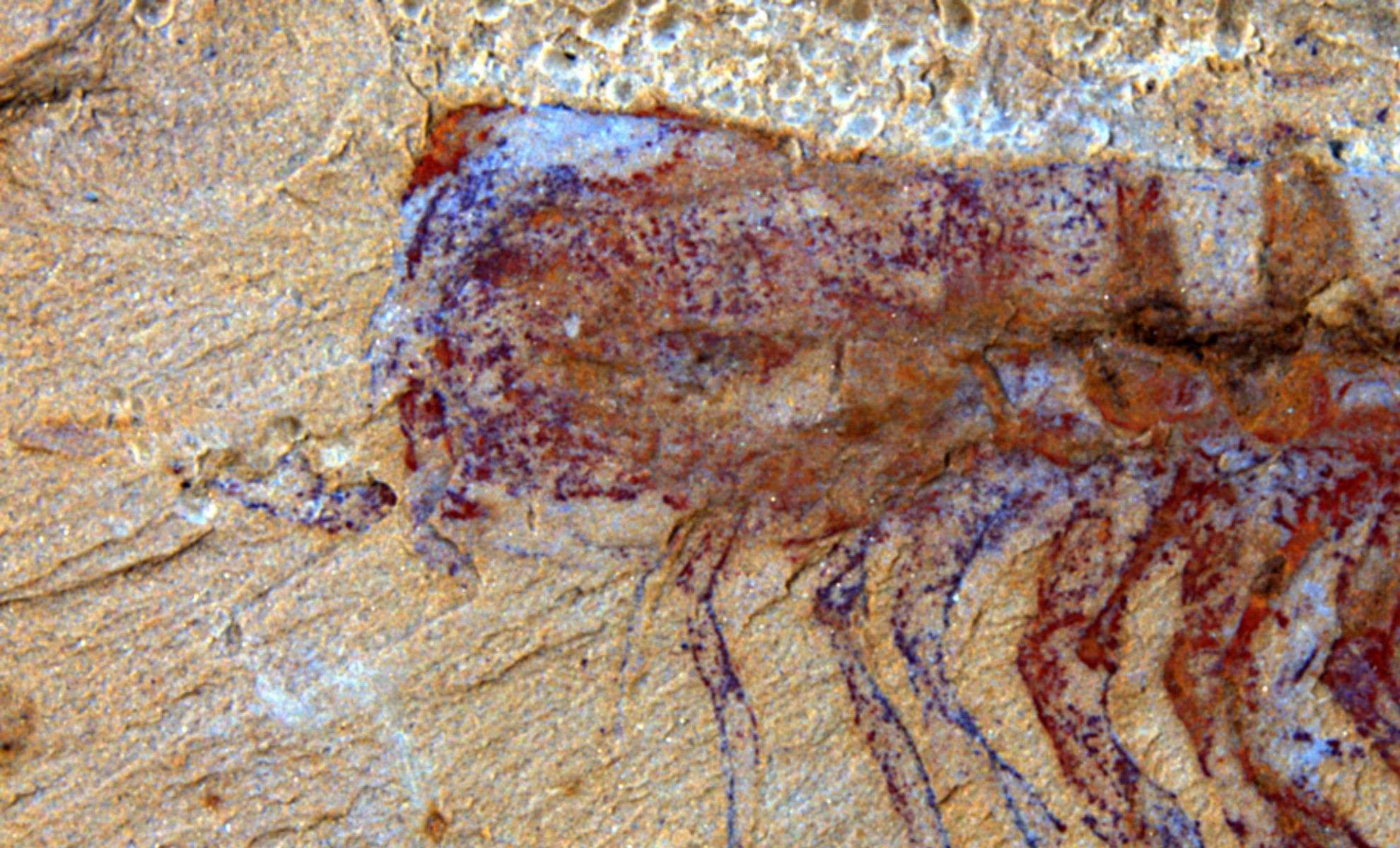
Researchers uncovered a fossil in southern China that offers a rare glimpse into the exceptionally well-preserved brain and nervous system of a marine creature dating back 520 million years. This prehistoric animal, now extinct, possessed prominent front claws and a body structure remarkably akin to those of contemporary spiders and scorpions.
Belonging to the Alalcomenaeus genus, the fossil provides a detailed look into the evolution of early arthropods. Scientists were able to study its nervous system, particularly the brain and nerve pathways, which remain intact. State-of-the-art imaging techniques confirmed the evolutionary ties between these ancient organisms and modern arachnids.
Nervous System Resembling That of Spiders
Discovered at the Chengjiang fossil site in southern China, this specimen is classified within the megacheirans, a group of sea-dwelling arthropods recognized for their large gripping claws. These animals featured segmented bodies and multiple appendages adapted for crawling or swimming.

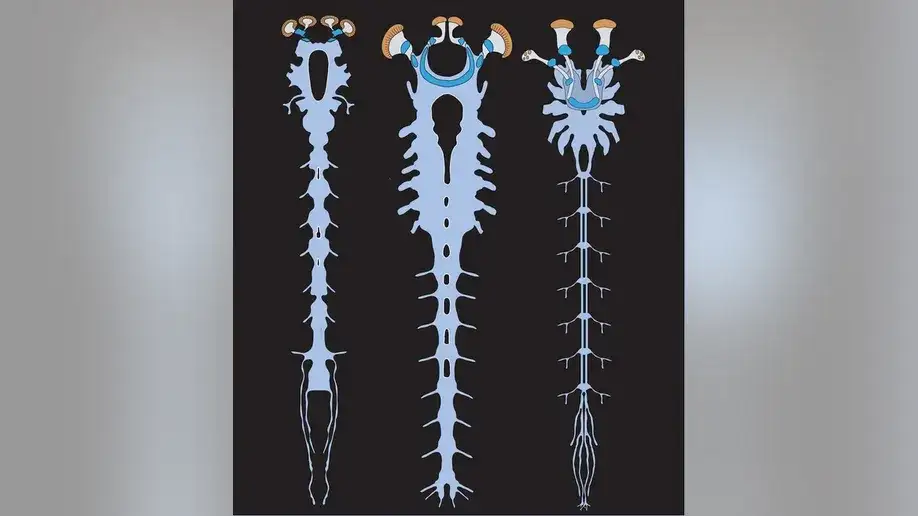
The brain structure preserved in the fossil captured scientists’ interest. It displayed distinct formations consistent with the central nervous systems found in creatures like horseshoe crabs and scorpions. Dr. Greg Edgecombe from London’s Natural History Museum highlighted the close evolutionary relationship between these megacheirans and present-day spiders in an interview with BBC News stating:
“The nervous system is one of the more reliable tool-kits we have. We were trying to investigate whether there was evidence for the preservation of neural tissues from very early parts of the animal fossil record.”
This finding positions the megacheirans nearer to arachnids within the evolutionary framework, implying their ancestors coexisted with early crustaceans.
Exploring Details with Advanced 3D Imaging
Scientists employed CT scanning combined with sophisticated 3D reconstruction tools to reveal the fossil’s internal anatomy without causing any damage.
“People like myself who are mad keen on creepy crawlies want to understand how very strange early arthropods relate to living ones,” remarked Dr. Edgecombe.
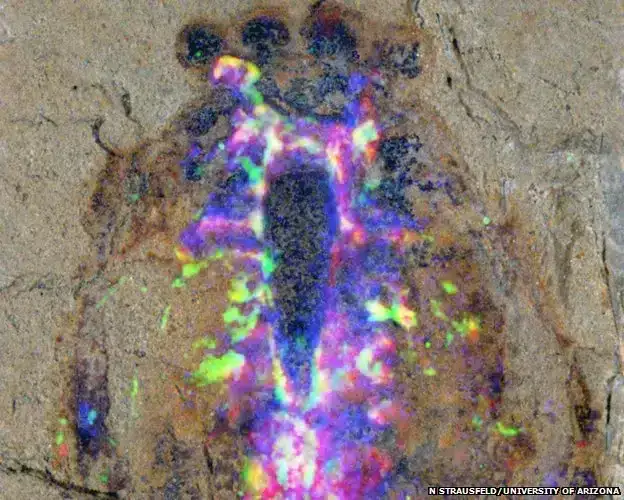
The investigation uncovered a dense cluster of nerve tissue in the head region, linking directly to the creature’s large claws. Xiaoya Ma, also from the Natural History Museum, noted how clearly defined these structures were, offering an unparalleled comparison to brains of current arthropods. This specimen represents the most intact nervous system fossil known from that era.
Professor Nicholas Strausfeld of the University of Arizona, who focused on anatomical analysis, emphasized the brain's layout bore striking resemblance to living species. He further suggested the positioning of the claws supports the notion that spiders’ biting mouthparts evolved from similar appendages.
Insights From a Brain Preserved for Over Half a Billion Years
While fossil classification often relies on exoskeleton and external morphology, this discovery highlights how internal nervous system anatomy can provide a more precise evolutionary context. Such soft tissue preservation helps draw clearer connections between extinct species and modern-day animals.
Strausfeld explained that these ancient organisms probably inhabited the Lower Cambrian seas alongside early crustacean ancestors. The exceptional preservation of neural tissues supports the hypothesis that spiders and their kin diverged from a common ancestor far earlier than previously assumed. This groundbreaking discovery, published in Nature, paves the way for future fossil finds preserving ancient neural structures.
- Categories:
- News


0 comments
Sign in to Comment