
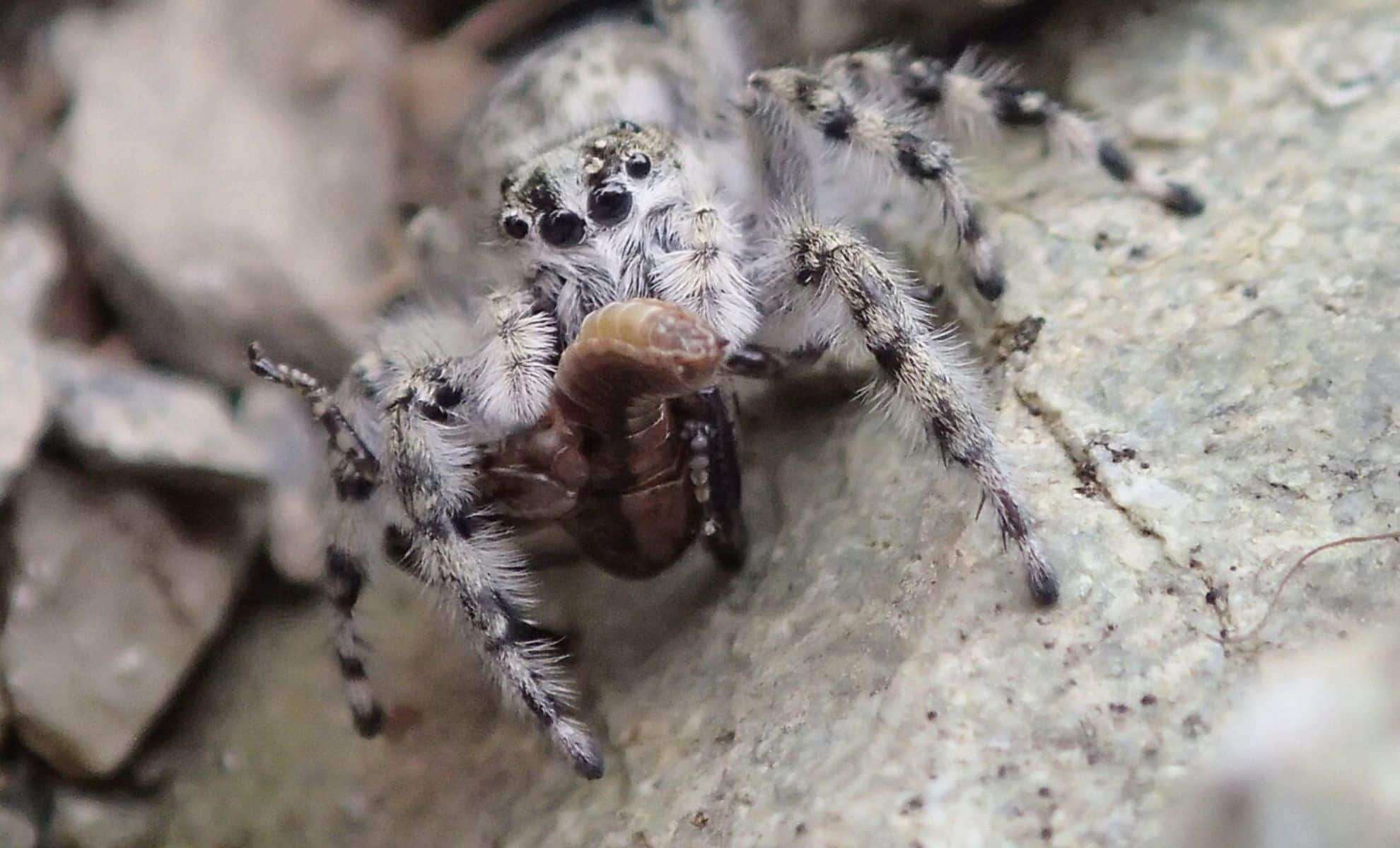
Scientists exploring New Zealand’s South Island have uncovered a previously unknown genus of jumping spiders, marking a significant advancement in arachnid research. This genus, called Ourea, encompasses a dozen species that had escaped detection until now. These spiders were discovered amidst the rocky alpine terrains, an environment noted for its severe and isolated conditions. Their discovery enhances our understanding of New Zealand’s unique spider fauna.
Survival in a Rugged Alpine Environment
The alpine regions of New Zealand, where these jumping spiders were located, represent a harsh ecosystem. Covering about 11 percent of the nation’s landmass, this zone lies above the tree line but beneath persistently snowy summits. Temperatures fluctuate sharply, ranging from -15 °C to 27 °C, with wind speeds soaring up to 180 kilometers per hour. Endurance in such extreme weather demands exceptional adaptability, a trait clearly demonstrated by these spiders.
A research team led by Lincoln University’s Robin Long, Cor Vink, and Adrian Paterson embarked on a strenuous expedition to find these elusive arachnids. They amassed a total of 170 jumping spider specimens, including some from lower rocky altitudes. This expedition resulted in the identification of the Ourea genus, highlighting a remarkable addition to the diverse spider populations of New Zealand.

Masterful Camouflage Makes Discovery Difficult
The spiders are masters of disguise, blending perfectly with the rocky surroundings. According to the research team, “Spiders were either captured from the ground surface, with difficulty due to their swiftness, or from silken tent-like shelters that they build under rocks.” Their ability to mimic their environment’s texture and color made them almost invisible unless they moved.
Further observations revealed these spiders favor rocks coated with crustose lichen, a stable surface that supports tiny prey species crucial for their diet. This ecological niche underscores the spiders’ extraordinary ability to adapt and survive in New Zealand's demanding alpine ecosystem.
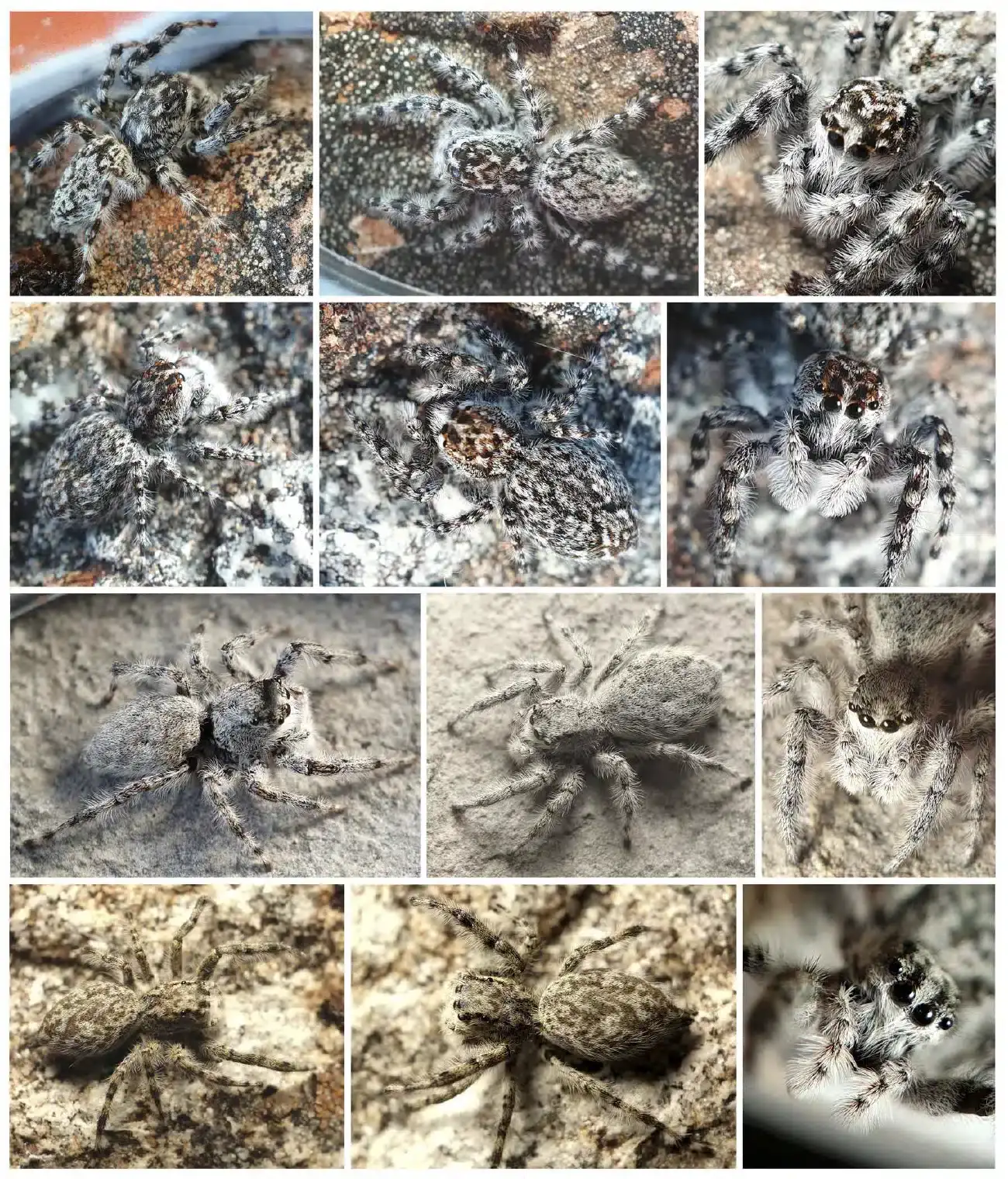
Distinct Species with Specialized Adaptations
The Ourea genus mainly inhabits areas above the tree line, with ten species exclusively alpine, while two occupy regions just beyond the tree boundary. A standout characteristic across these species is the unique structure of their genitalia, which was crucial in differentiating among them.
The genus name, Ourea, draws inspiration from ancient Greek mountain deities, symbolizing these spiders’ intimate relationship with the craggy landscapes of New Zealand’s South Island. This comprehensive survey has unveiled a trove of previously undocumented species, expanding scientific knowledge of these cryptic arachnids.
The researchers emphasize that “these undescribed spiders exhibit a highly cryptic morphology, appearing remarkably similar to the rocky substrates they live upon…. they were extremely difficult to see unless they moved.”
- Categories:
- News




0 comments
Sign in to Comment