
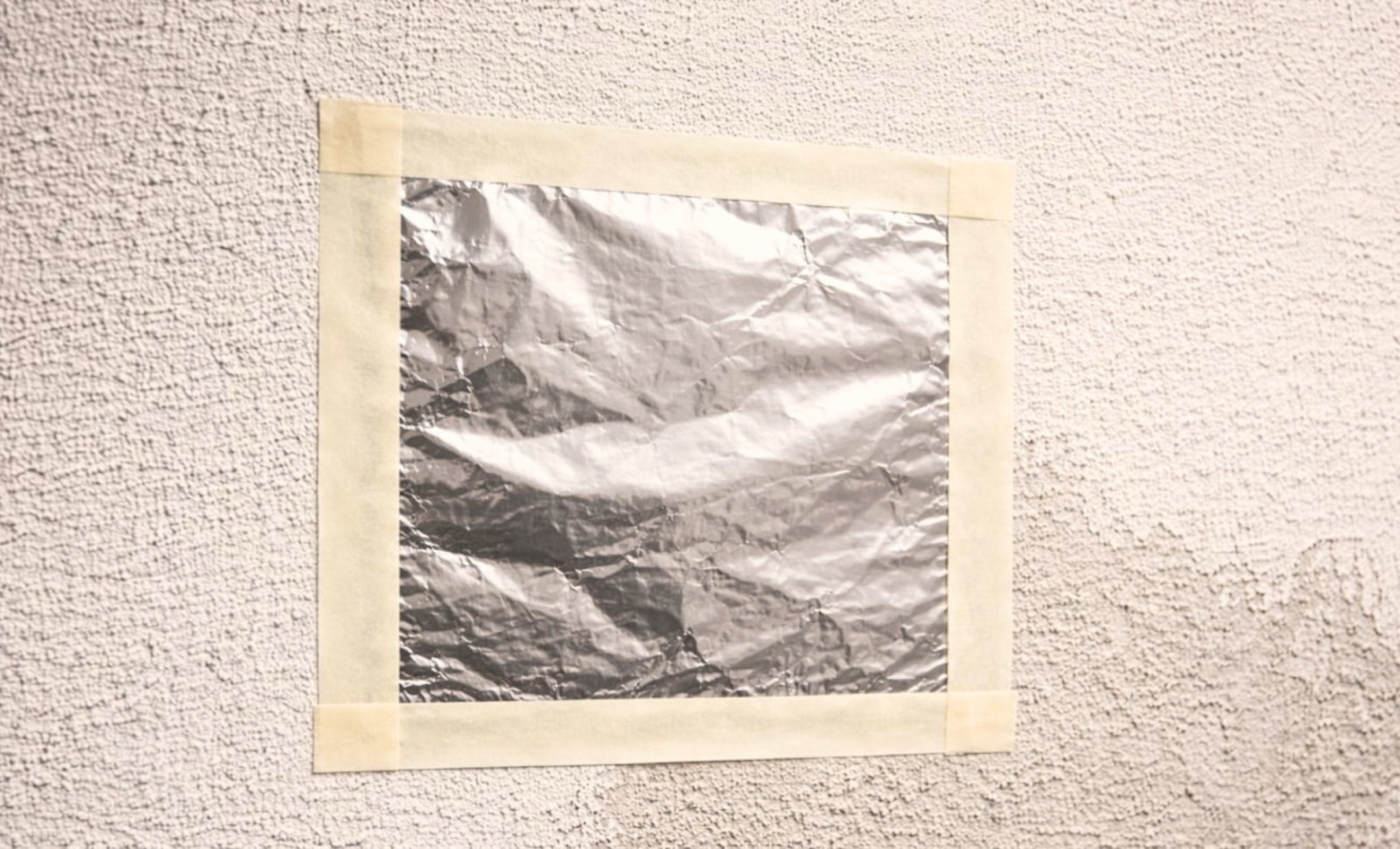
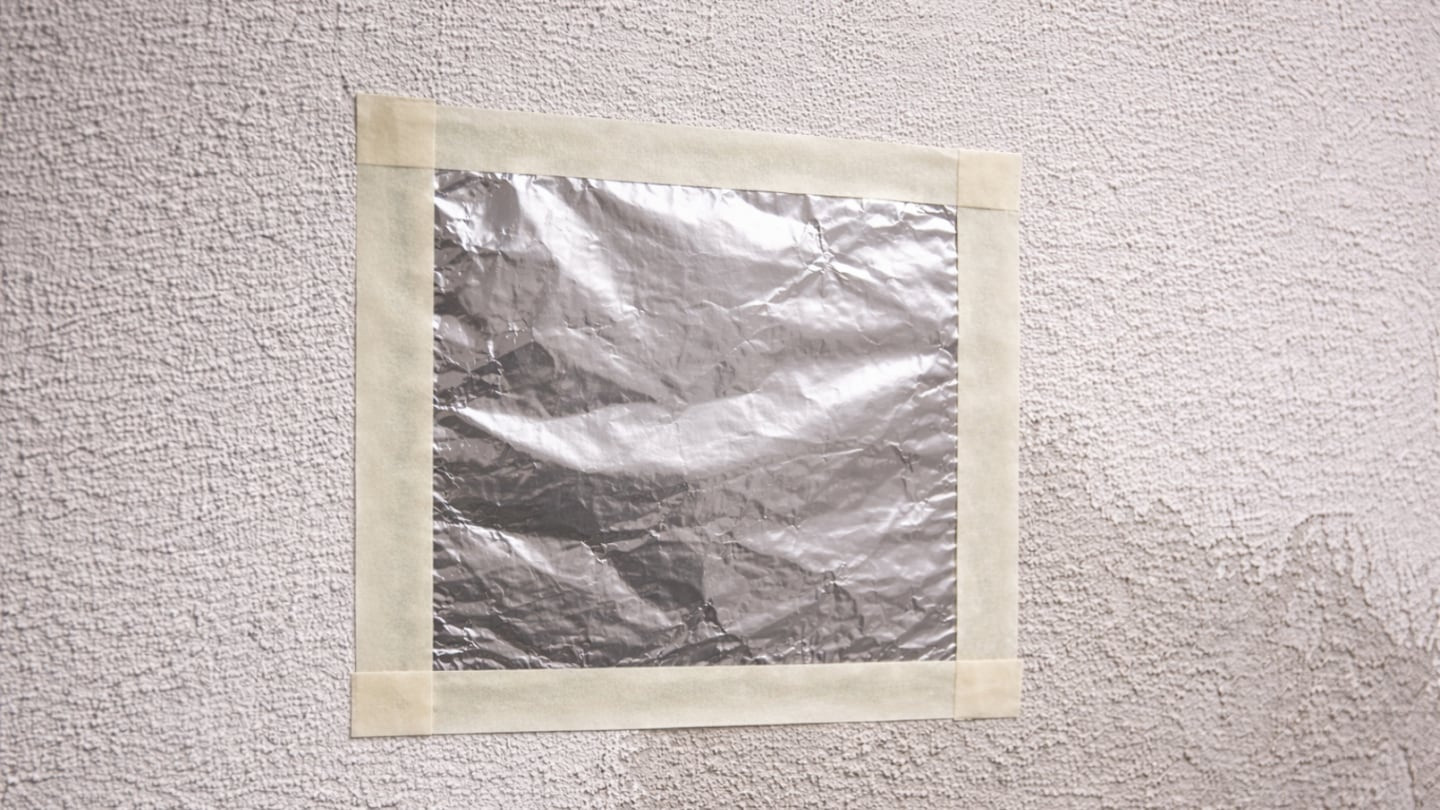
Using aluminum foil taped onto a damp section of a wall for 48 hours can help homeowners determine whether professional help is necessary or if purchasing a dehumidifier will suffice. This inexpensive and simple test utilizes materials likely already found in the kitchen and is confirmed by architects to be effective across all climates and rooms prone to moisture.
The test clarifies if the moisture originates from inside the room or from the building structure itself, which is critical in deciding whether to increase ventilation or to remove and repair the drywall.
Ignoring unseen moisture damage can be costly. Hidden dampness compromises insulation, promotes mold growth, and weakens structural framing well before visible stains form. The aluminum foil method detects problems in their early, invisible stage. According to the This Old House basement moisture guide, nearly 60 percent of American homes with basements experience water issues, making accurate diagnosis a top concern for homeowners.

Interpreting the Aluminum Foil Test Results
To perform the test, wipe the targeted wall section dry. Cut a piece of aluminum foil larger than the affected area and firmly tape it to the wall, ensuring all edges are sealed tightly to prevent room air from entering behind the foil. Leave it untouched for 24 to 48 hours.
After removing the foil, observe where the moisture appears.
If moisture is present on the wall-facing side of the foil, it indicates that water is penetrating through the wall. Causes may include foundation cracks, leaking pipes, inadequate waterproofing outside, or soil sloping toward the building. Dark patches or a white, powder-like residue known as efflorescence confirm water passage, even if the outer wall surface feels dry.
If moisture is found on the side facing the room, it points toward condensation caused by indoor humidity. Kitchens and older residences are especially prone to this. Activities like drying laundry indoors, closed windows in colder months, and insufficient ventilation after showers or cooking raise humidity levels against cold wall surfaces.
This Old House's general contractor Tom Silva notes that moisture on the underside of the foil signifies water intrusion from surrounding soil through walls or floors. In such cases, interior vapor barriers work only after addressing the external source. Dry wall surfaces with condensation atop indicate excessive moisture in the air, often resolved by using a dehumidifier.
Next Steps Based on Test Findings
Humidity-related condensation requires indoor adjustments. Improve ventilation after cooking or bathing, utilize exhaust fans, repair window seals, and keep walls and adjoining floors dry. AS.com recommends documenting the process by photographing before and after foil removal to monitor any changes.
Water seepage demands exterior remedies. Downspouts should channel water far from the foundation, and soil grading must slope away from the building to prevent accumulation near walls. Silva emphasizes, “If there’s water in the basement, you’ve got to fight it,” beginning with outside interventions.
For soil moisture seeping through floors, Silva suggests a layered protection system: placing building felt with overlapping seams over the slab, then installing polyethylene sheeting extending from the mudsill down to the wall bases and across the floor. Prior to this, surfaces should be treated with a bleach-water solution to eradicate mildew, followed by applying two or three coats of cementitious paint.
When the Aluminum Foil Test Isn’t Enough
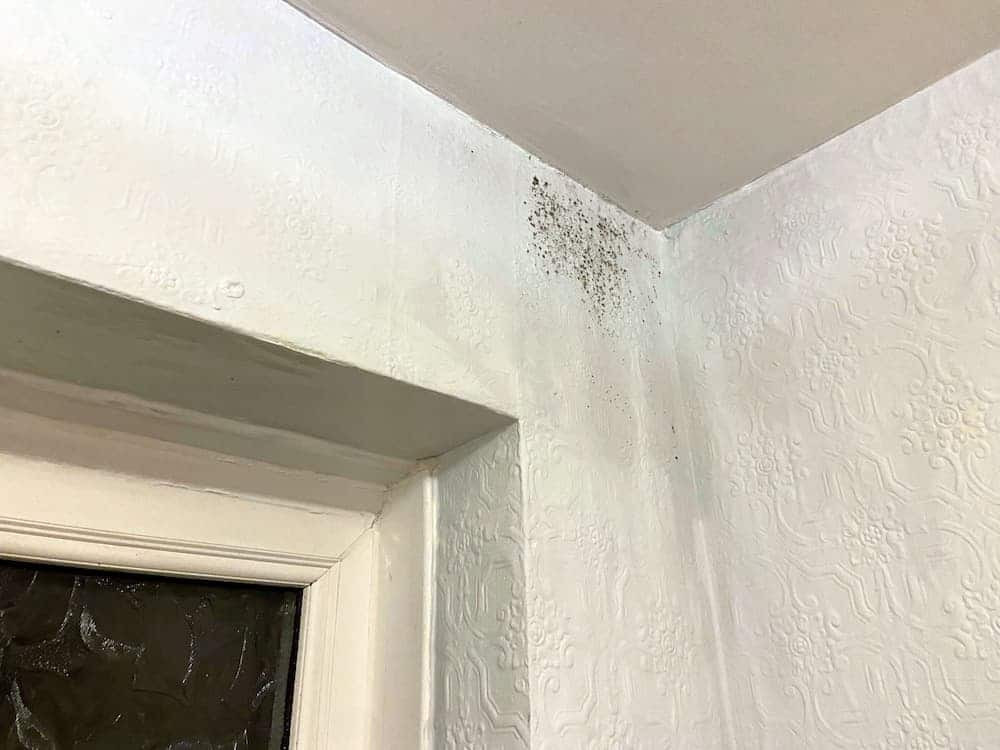
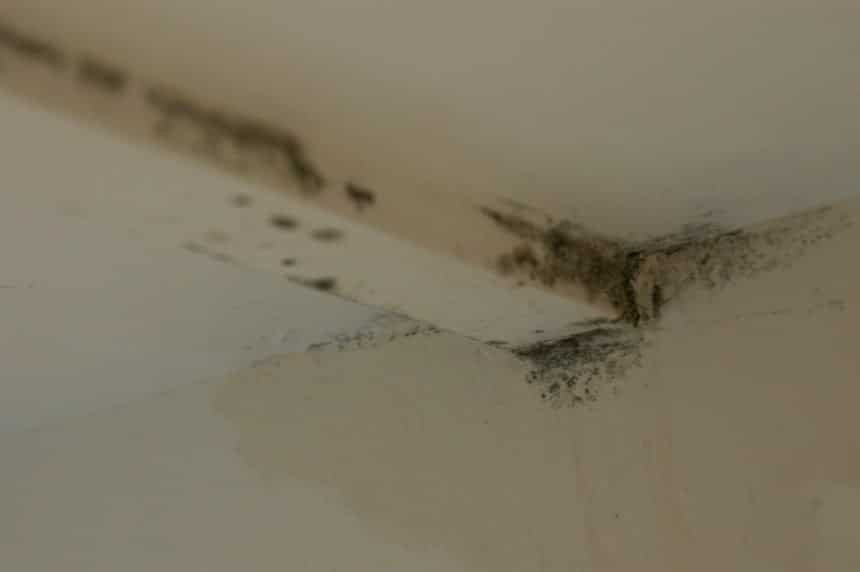
Sometimes, signs are so apparent that the foil test isn’t necessary. Visible large stains, active mold, peeling wallpaper, or persistent musty odors are clear indicators that expert evaluation is needed. Rapid moisture recurrence after cleaning also suggests a more serious cause than surface condensation.
Homeowners seeking more precise moisture data can utilize pin-type moisture meters, which gauge electrical resistance with embedded metal probes, or non-invasive pinless meters that use electromagnetic waves to scan surfaces without damage. Both tools provide accurate measurements to assess if remediation is effective.
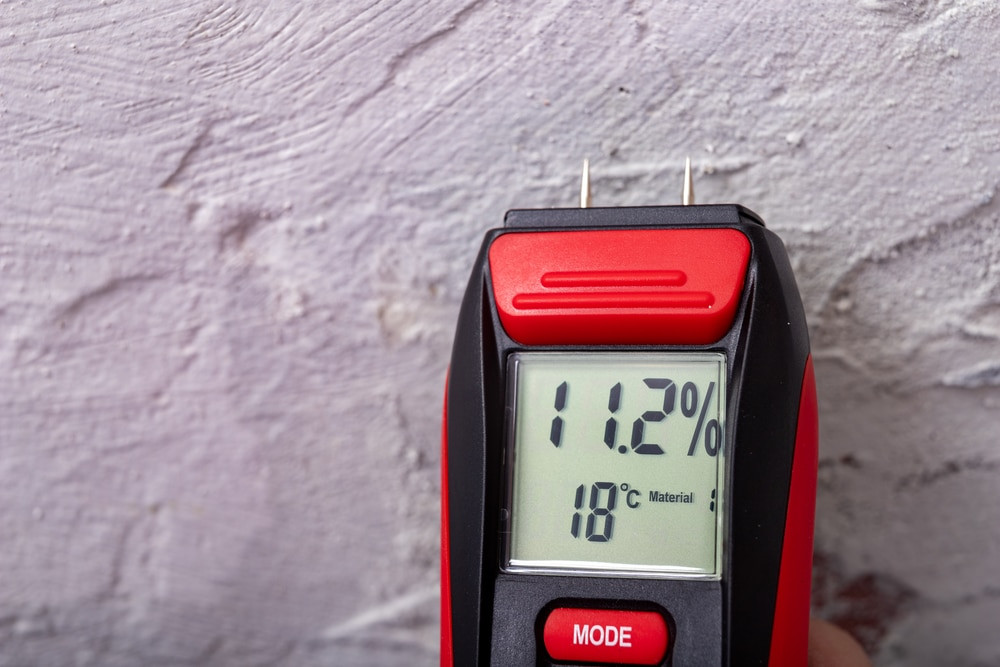
Additionally, an affordable digital hygrometer can monitor indoor air humidity. This Old House’s plumbing and heating expert Richard Trethewey advises activating a basement dehumidifier when relative humidity reaches around 35 percent. He warns that cold winter days often cause condensation on windows regardless of wall conditions due to temperature differences.
This technique eliminates uncertainty. While aluminum foil cannot fix leaks or dry out a foundation, it enables homeowners to identify the true source of moisture before committing to costly and potentially ineffective repairs.
- Categories:
- News












0 comments
Sign in to Comment