
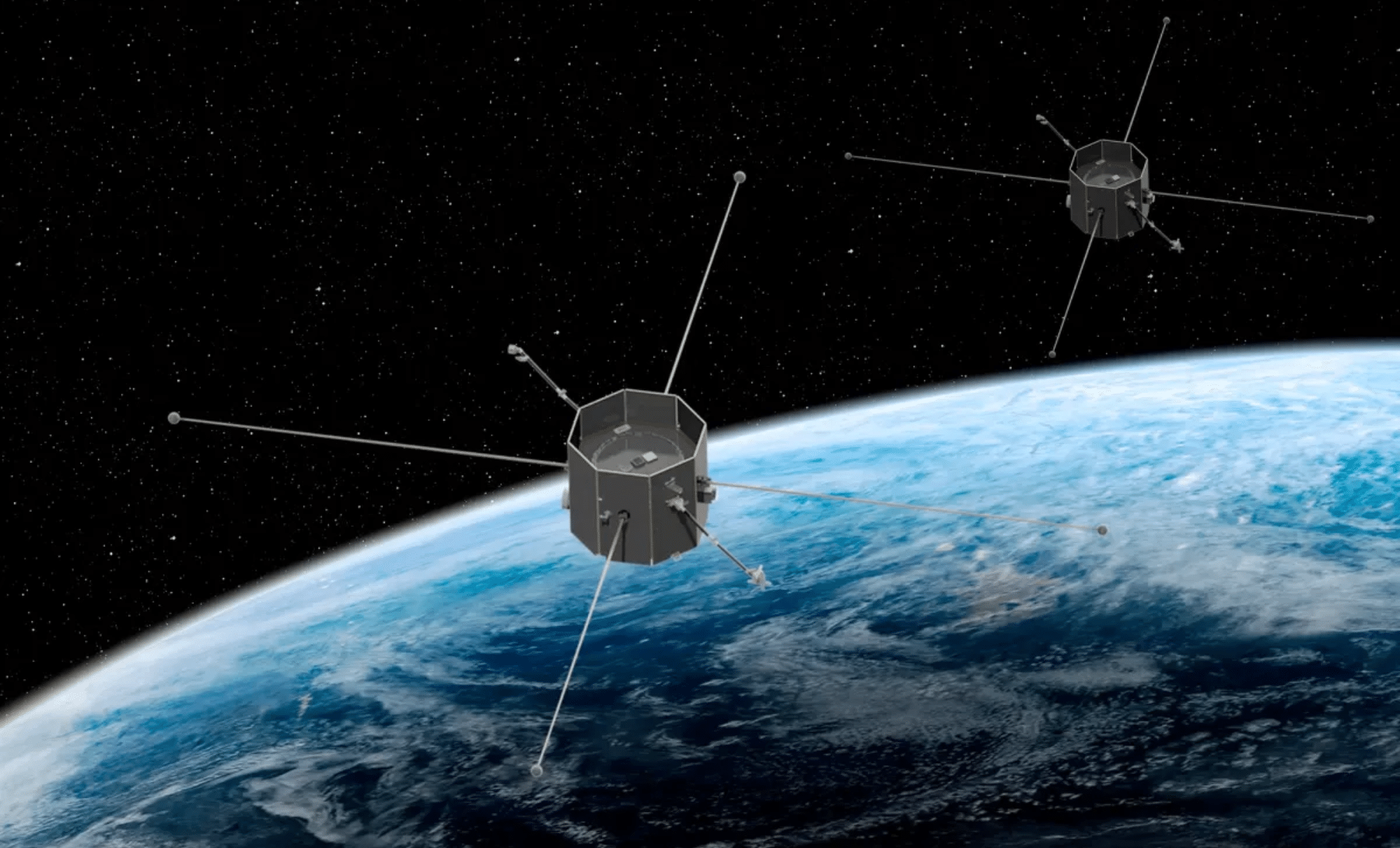
NASA’s TRACERS mission, which launched on July 23, is dedicated to investigating the interactions between solar wind and Earth’s magnetic environment using a pair of satellites. While satellite SV2 has operated without difficulties, SV1 encountered power-related challenges that caused intermittent signal loss. Recently, NASA engineers have succeeded in reestablishing contact with SV1, marking a crucial milestone for the mission. This recovery enables the continuation of vital observations on space weather’s influence on our planet’s magnetosphere.
Understanding the TRACERS Mission: Probing Solar Wind and Earth's Magnetosphere
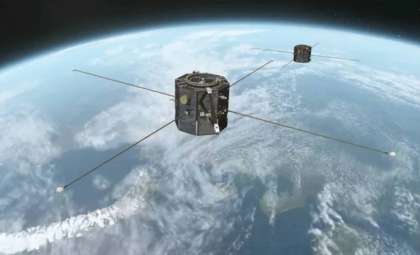
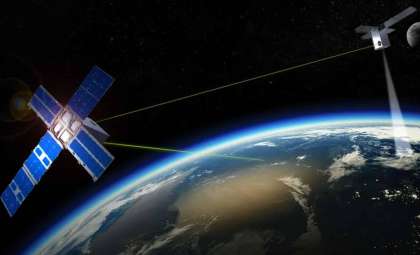
The TRACERS mission was conceptualized to deepen our grasp of how solar wind interacts with Earth’s magnetic field, an essential factor in space weather phenomena. NASA deployed two almost identical satellites flying in close formation to collect simultaneous measurements within the same region of space. This approach allows scientists to study magnetic reconnection and other dynamic processes within the magnetosphere that affect satellite systems, navigation, and terrestrial technologies.
The satellites are designed to pass through this energetic region with a separation of up to two minutes, offering high-resolution data about how Earth’s magnetic field responds to external solar forces. The mission’s importance is heightened by increasing concerns over space weather’s impact on modern infrastructure. Nevertheless, SV1’s unpredictable communications jeopardized achieving these science goals.

Investigation revealed that SV1’s power subsystem was malfunctioning, causing its operation to rely heavily on exposure to sunlight for recharging. Since the satellite’s solar panels only functioned effectively when directly illuminated, communication windows were limited. NASA’s engineering team responded by adjusting the solar panel orientation and enhancing power management strategies to stabilize the spacecraft’s systems.
On September 11, NASA announced the successful restoration of communication with SV1. The mission team expressed optimism by stating they are working to resume scientific observations, ensuring the mission can continue gathering essential data on space weather phenomena.
Overcoming Hurdles: Power Failures and Communication Interruptions
Regaining contact with SV1 was a major achievement, but the challenges faced were significant. The satellite’s power subsystem failure emerged just two days after launch, resulting in sporadic communication with ground stations. This instability threatened to disrupt the mission timeline and data integrity vital for scientific research.
NASA engineers reported on August 5 that communication was only possible when SV1’s solar arrays were fully exposed to sunlight, indicating that the satellite’s functionality was closely tied to its solar illumination angle. Recovery efforts focused on repositioning the satellite to maximize sun exposure and regain full operational status by late August.
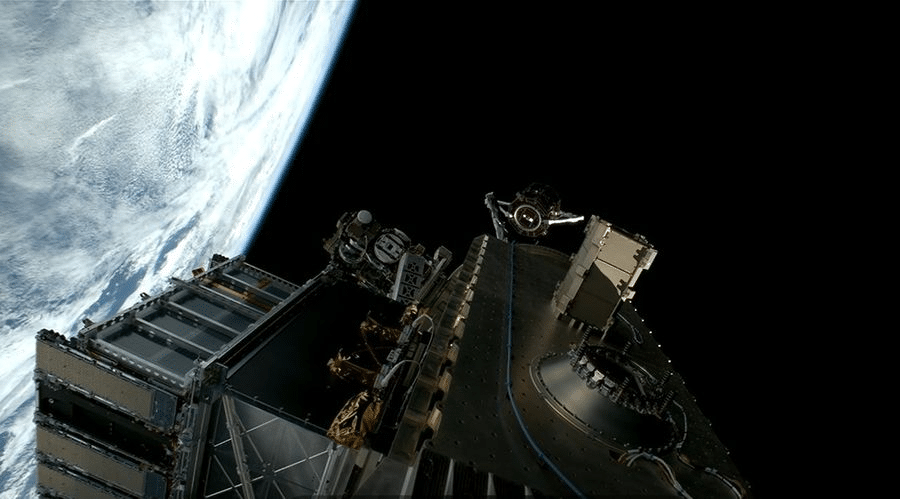
Despite the progress, NASA acknowledged in their latest update on September 11, “The team is also working to determine the cause of the initial missed signal acquisition and any factors that may have contributed to the delayed communication downlinks.” This ongoing investigation will help in understanding and preventing future mission disruptions.
While SV2 successfully completed its post-launch setup without complications, SV1’s difficulties highlight how critical reliable communication is, especially soon after deployment. Nevertheless, the TRACERS project continues to be a vital effort in advancing our knowledge of space weather and its impacts on Earth and orbiting technology.
Looking Forward: Future Plans for TRACERS and Solar Wind Exploration
With SV1’s communication now restored, NASA is concentrating on reactivating its scientific instruments. This spacecraft plays an essential role in fulfilling the mission’s objective to investigate how the solar wind and Earth’s magnetic field interact. If successful, TRACERS will deliver unprecedented insights into space weather dynamics, which could benefit the protection of technological systems on Earth.
The mission’s success is contingent not only on SV1’s recovery but also on the team’s ability to optimize satellite performance efficiently. Continuous monitoring will ensure that future satellite designs incorporate improvements based on lessons from TRACERS’ challenges.
As NASA pursues its broader goals in space exploration, the experiences gained from the TRACERS mission will be invaluable for shaping upcoming scientific endeavors focused on magnetospheric physics and space environment forecasting.
- Categories:
- News




0 comments
Sign in to Comment