
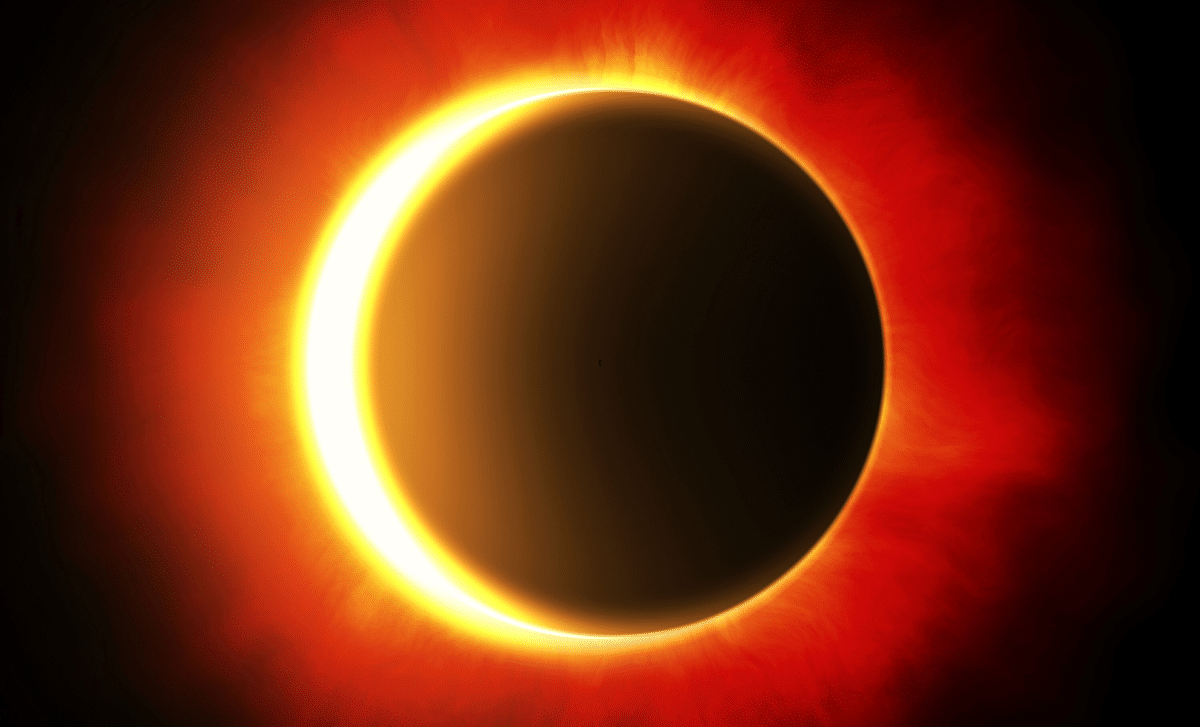
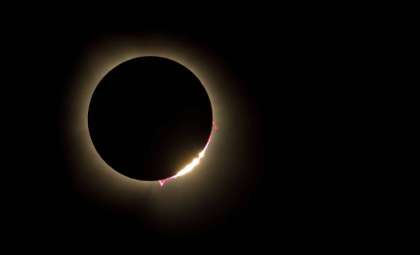
A remarkable cosmic event is approaching, set to captivate observers worldwide. In the near future, a total solar eclipse—the lengthiest in a hundred years—will take place, showcasing a rare alignment of the sun, moon, and Earth. For more than six minutes, darkness will sweep across specific areas including parts of Europe, North Africa, and the Middle East.
Tracing the Route of the Century’s Longest Solar Eclipse
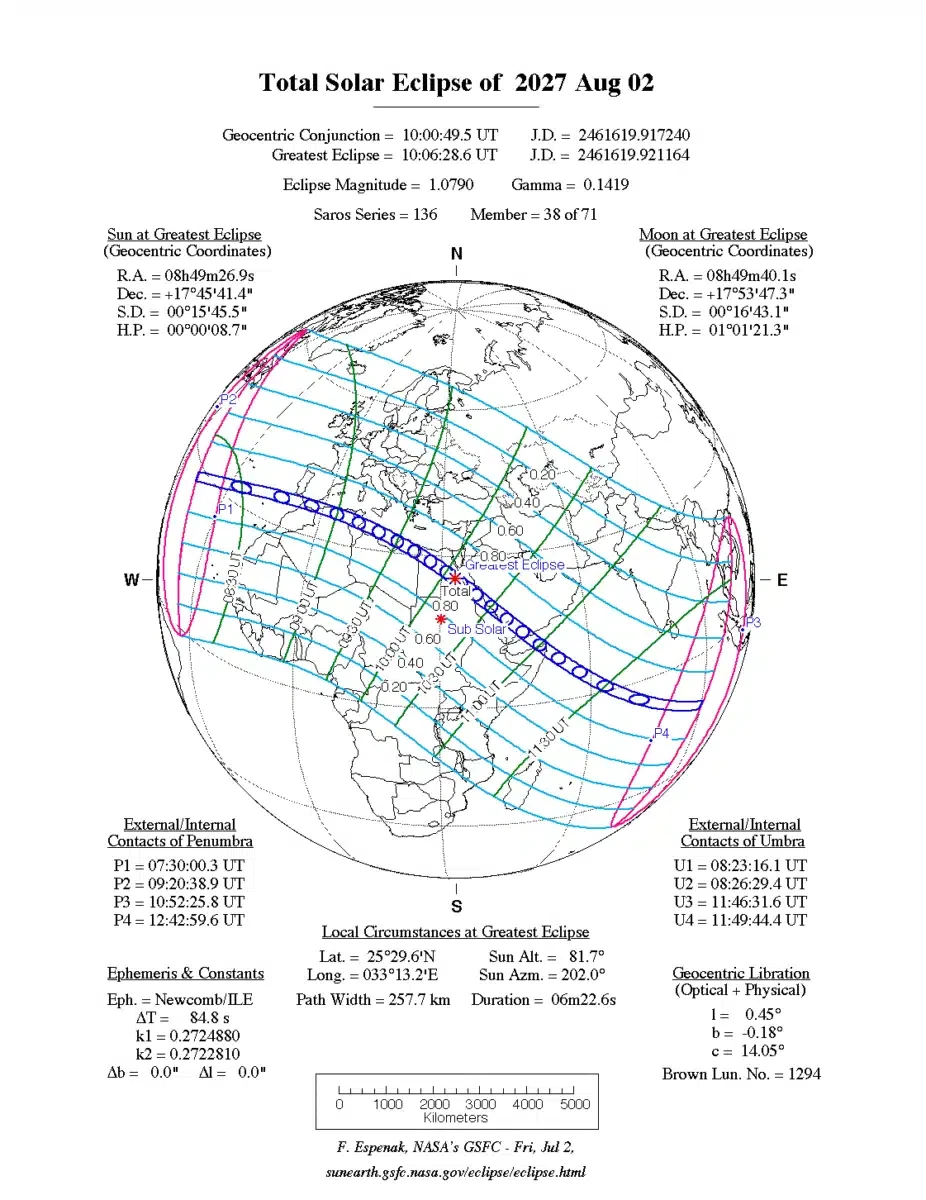
Based on NASA’s eclipse information, the total solar eclipse on August 2, 2027, will cross a vast expanse, traversing regions rarely touched by such extended totality. It will begin in Morocco and southern Spain, continue east over Algeria, Tunisia, Libya, and Egypt, then proceed into the Middle East. This eclipse will peak along the coasts of Yemen and Somalia, with Egypt—particularly the cities of Luxor and Aswan—experiencing the longest phase of darkness, lasting approximately 6 minutes and 23 seconds.
For people positioned within this pathway, the eclipse promises an extraordinary spectacle, as the moon’s shadow traverses the terrain. Egypt’s historic locales, famed for ancient temples and tombs, provide a stunning backdrop for this extraordinary celestial display. During totality, the sky will darken to twilight, stars will emerge, and temperatures will fall, creating a unique, otherworldly atmosphere.

The Science Behind Solar Eclipses Explained
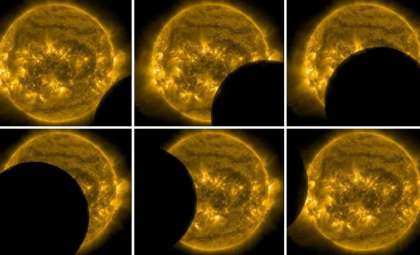
The dramatic visuals of a solar eclipse stem from a fascinating cosmic alignment. This event happens when the moon moves precisely between the Earth and the sun, casting a shadow that obscures sunlight. Because the moon’s orbital plane is tilted in relation to Earth’s path around the sun, such alignments are uncommon. Eclipse length varies depending on the distances between these celestial bodies and the eclipse’s path.
The August 2027 total eclipse will be notably prolonged due to the specific arrangement of Earth, moon, and sun at that time. NASA’s detailed eclipse studies, accessible via their Solar Eclipse Page, confirm the total phase will endure for 6 minutes and 23 seconds—making it the longest eclipse witnessed in a century.
Comprehending the eclipse’s mechanics highlights its uniqueness. Similar extended eclipses won’t reoccur until 2045 or later, making this an exceptional chance to observe one of nature’s grandest sights.
Solar Eclipses in Culture and History
Throughout human history, solar eclipses have held profound cultural significance across societies. Ancient civilizations often interpreted these celestial interruptions as supernatural signs. In ancient China, eclipses symbolized heavenly displeasure, while Mesopotamian cultures saw them as omens of a king’s lost favor. Despite our scientific understanding today, eclipses continue to inspire awe that connects us with our ancestors’ cosmic wonder.
The 2027 eclipse, with its extraordinary length, will undoubtedly evoke similar feelings. Those lucky enough to witness totality can reflect on the vast cosmos. Additionally, the event will serve scientific purposes as astronomers study the sun’s corona and solar radiation impacts during total eclipse moments.
Observing the Eclipse Safely
While witnessing the eclipse is thrilling, safety is paramount. Viewing the sun directly without proper protection risks permanent eye damage. Certified eclipse glasses, readily available, are essential for safe viewing. Ordinary sunglasses—even very dark ones—do not provide sufficient protection against harmful solar rays.
Alternatively, solar viewers or pinhole projectors offer safe indirect viewing options. Many communities along the eclipse’s path may organize public events equipped with protective gear. Enjoy this extraordinary phenomenon, but always prioritize eye safety throughout the experience.
- Categories:
- News








0 comments
Sign in to Comment