
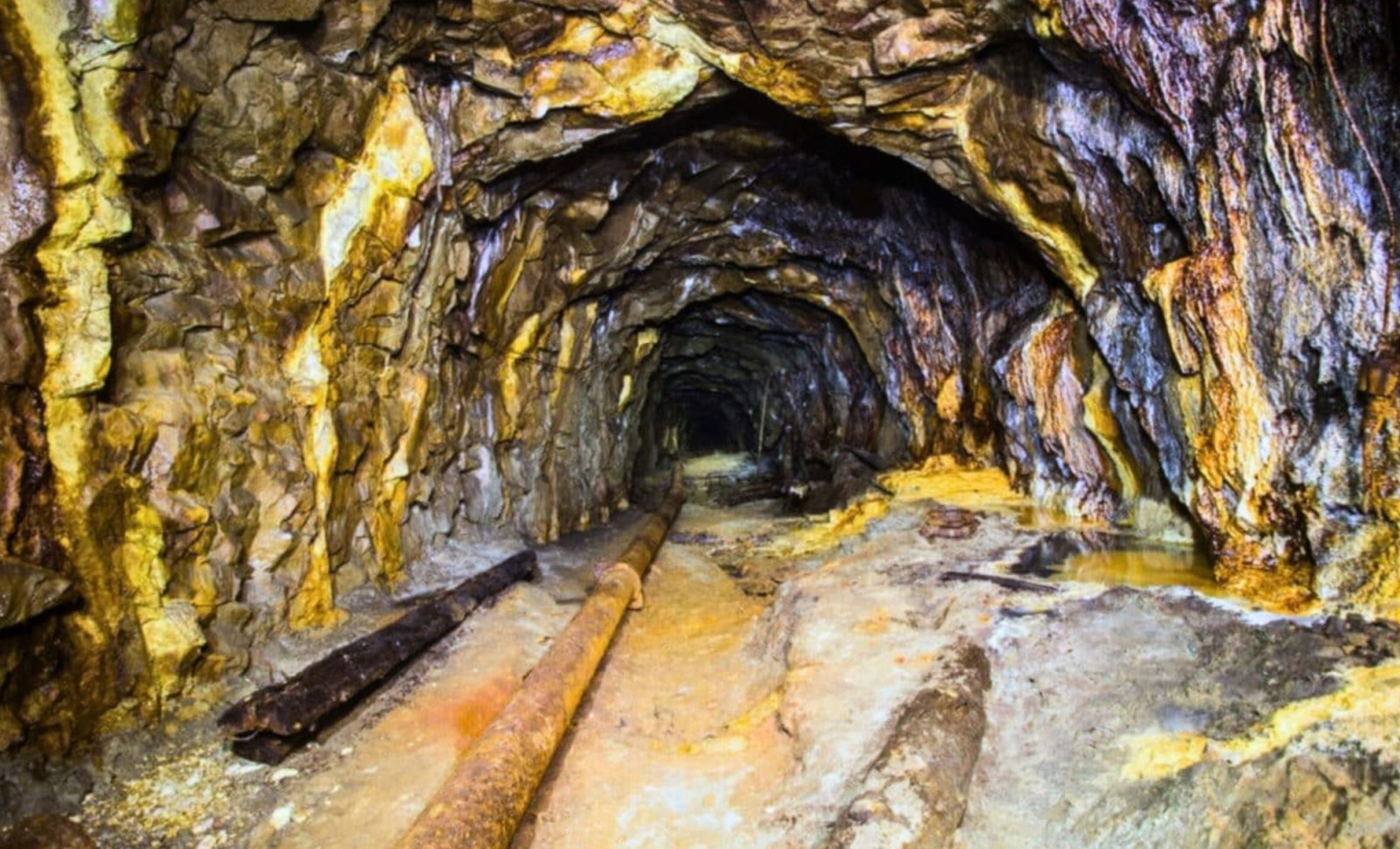
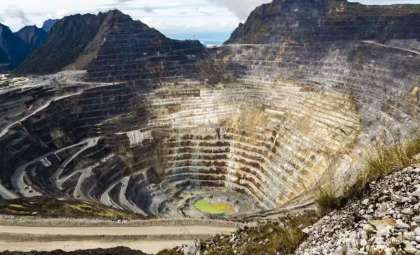
After lying idle for over 30 years, Brazil’s infamous Serra Pelada gold mine is once again attracting attention from local cooperatives determined to revive mining operations. Situated on Pará’s border with the Amazon rainforest, the open-pit mine is sparking debates around environmental safety and regulatory enforcement.
Proponents see the potential reopening as a way to boost a region grappling with economic decline since the mine’s 1990s shutdown. Yet, renewed mining ambitions have raised alarms about mercury contamination, illegal extraction practices, and shortcomings in federal oversight.
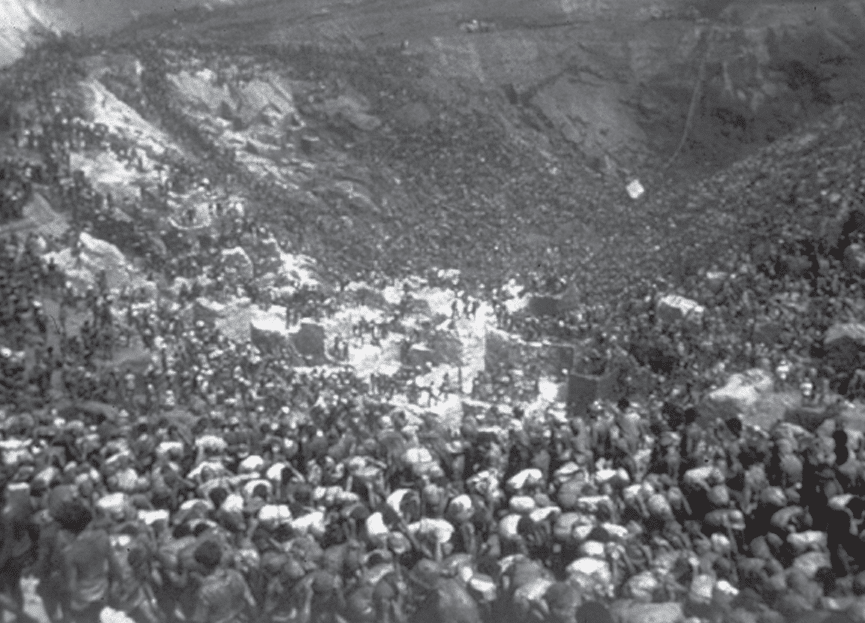
Once the site of one of history’s largest gold rushes, Serra Pelada has fallen into disrepair and remains unsecured. Despite advances in mining legislation and stricter environmental guidelines, restarting activities at such a vulnerable site has sparked concern among experts and environmental advocates.

Degraded Site Falls Short of Modern Mining Safety Standards
Although no official permits to restart mining at Serra Pelada have been granted, informal mining persists. Nighttime incursions by unregulated miners expand pits and destabilize the landscape, as detailed by planetGOLD, a UN-supported project examining abandoned artisanal mining in the Amazon.
Brazil’s revised mining code mandates strict requirements for reactivating dormant gold mines, including reinforced tailings dams, comprehensive safety procedures, and the complete elimination of mercury during processing. Presently, Serra Pelada lacks this critical infrastructure.
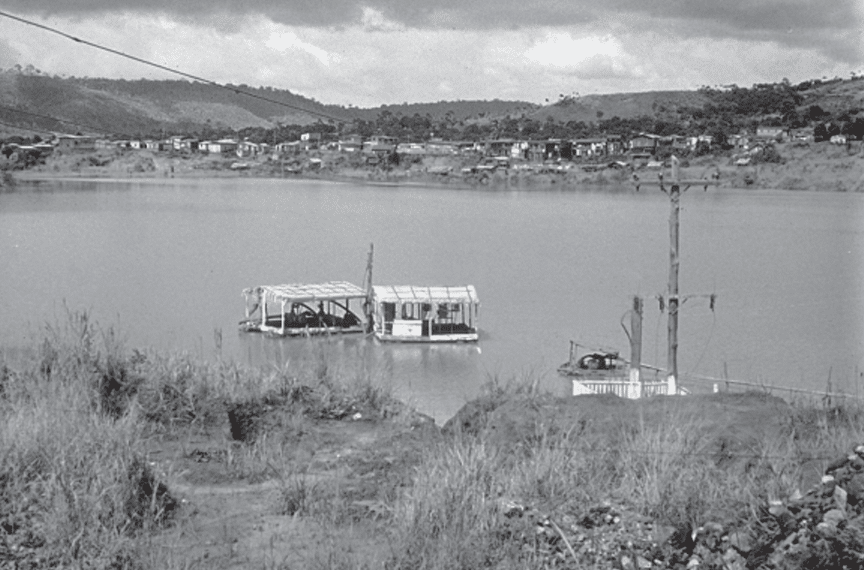
As reported by the Indian Defence Review, the site currently features eroded hillsides, pools of stagnant toxic water, and failing structural supports, underscoring its emblematic status among Brazil’s neglected mining sites.
Mercury Smuggling Underscores Oversight Deficiencies
Data from 2018 to 2022 reveal that Brazil used up to 254 tons of mercury to produce 127 tons of gold, according to research by Instituto Escolhas, a public policy think tank in São Paulo. During the same timeframe, the country legally imported only 68.7 tons of mercury, suggesting substantial unregulated usage and a lack of control.
Lead researcher Larissa Rodrigues emphasized, “Until Brazil commits to eradicating mercury, stringent regulatory measures are the minimum necessity.” These findings reveal critical enforcement gaps and mounting health risks in unauthorized mining regions.
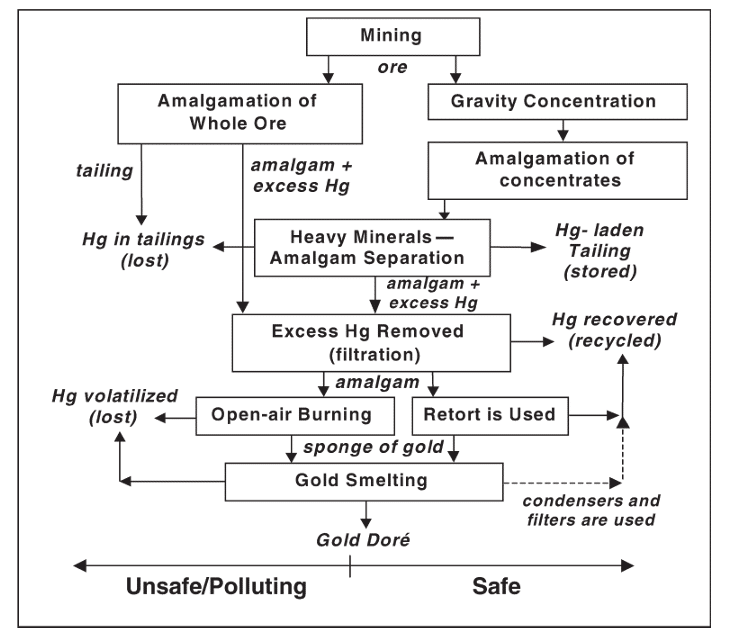
Despite Brazil’s 2017 ratification of the Minamata Convention on Mercury, the absence of a coordinated national strategy to lessen mercury usage hampers efforts to address mining’s environmental toll.
Inactive Mines Pose Risks to Nature and Communities
Brazil counts approximately 4,000 mines that are either abandoned or inactive, representing about 11% of officially catalogued mining operations. A 2025 study referenced by Reuters noted widespread lack of environmental monitoring for these sites after closure.
Earlier research by Veiga and Hinton in the journal Natural Resources Forum, republished by planetGOLD, revealed ongoing mercury contamination from past artisanal operations. Their analysis showed mercury persisting in soils and waters for decades, with significant repercussions on aquatic life and human health.
Serra Pelada manifests comparable environmental damage. Without containment or regular monitoring, sediment dispersal and runoff continue to threaten nearby populations and ecosystems.
Brazil Faces Scrutiny Over Gold Export Origins
In 2022, Brazil shipped out 96 tons of gold, primarily to Canada, India, Switzerland, and the UK. Yet, Instituto Escolhas’ research suggests that more than half of this gold might originate from unregulated or illegal sources lacking proper traceability.
The rapid increase in unregistered mining zones and uncertified gold exports has led to intensified oversight from environmental groups and global trade partners. The National Mining Agency (ANM) faces mounting demands to upgrade its licensing systems and inspection programs, although enforcement remains inconsistent.
Escolhas’ policy report highlights that the disconnect between decreasing mercury imports and rising gold yields points to widespread illicit trade, risking Brazil’s international reputation and prompting demands for stricter audit controls.
- Categories:
- News








0 comments
Sign in to Comment