
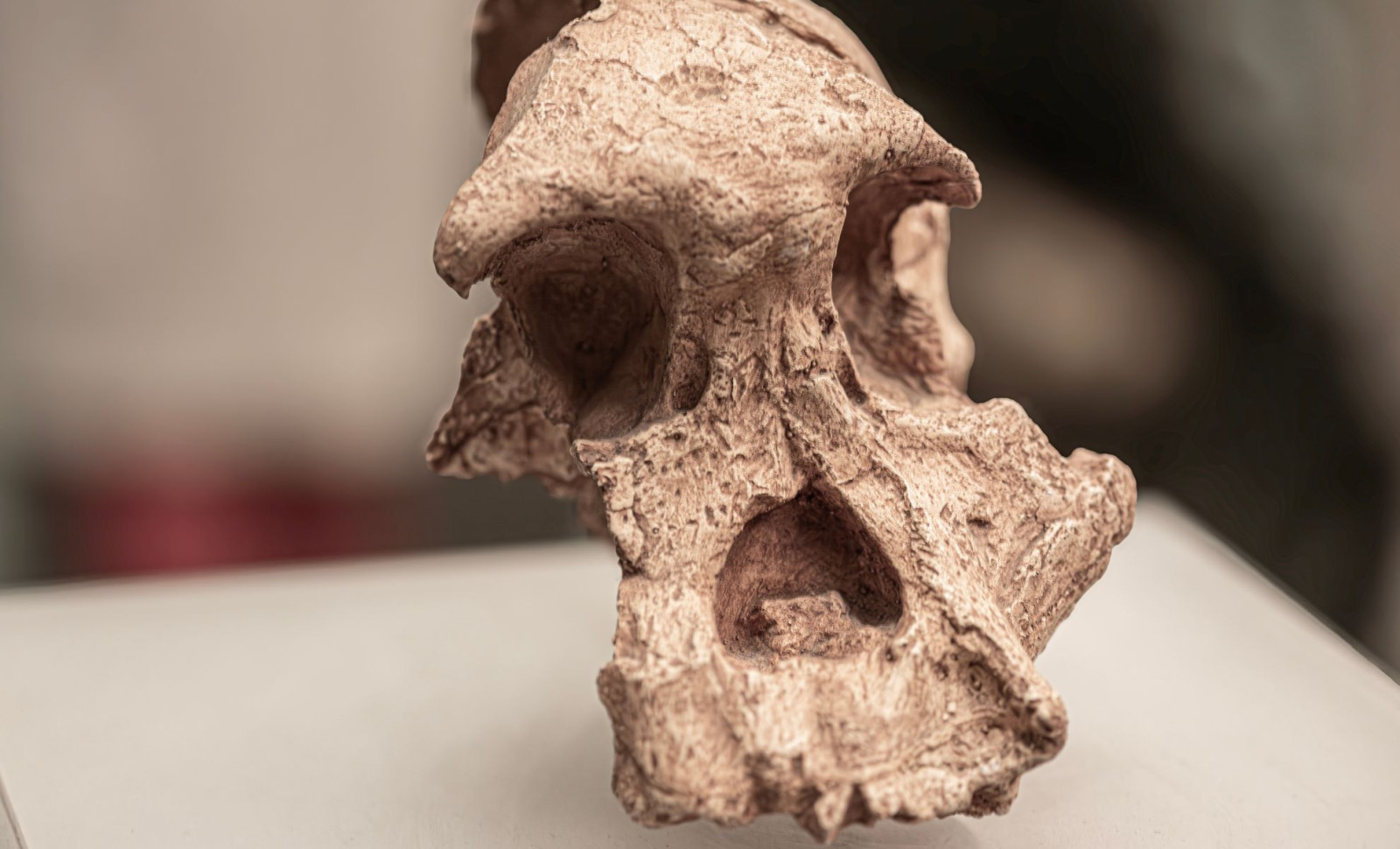
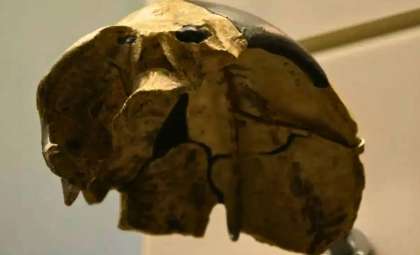
A fossilized skull dating back approximately one million years, found in China, is challenging existing theories about human evolution timelines. By digitally restoring the crushed specimen, scientists have proposed that human species may have branched off much earlier than has been previously accepted.
The fossil, called Yunxian 2, was discovered in central China in 1990 and was traditionally classified as Homo erectus. However, state-of-the-art imaging and reconstruction methods have now enabled researchers to examine its features more thoroughly. The results reveal a distinctive blend of anatomical traits that resist easy classification within known human species. The research, published in Science, has sparked significant discussion about a critical yet puzzling phase in human evolutionary history.
Restoring the Fragmented Skull
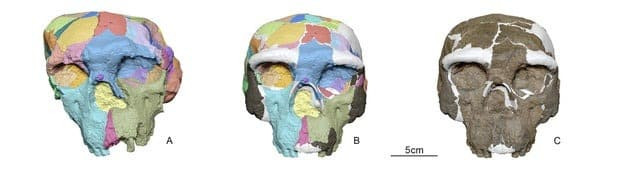
Investigators employed advanced techniques such as CT scanning, structured-light imaging, and digital reconstruction software to analyze the fossil. As reported by the BBC, the team also produced 3D-printed models of the skull to better understand its physical structure.

This reconstruction uncovered surprising insights. Some aspects of the skull exhibit characteristics typical of Homo erectus, such as an advanced lower facial projection. Yet, several features align more closely with Homo longi, known colloquially as Dragon Man, and even show similarities to Homo sapiens.
The study involved comparison of Yunxian 2 with over 100 fossil specimens, revealing an unusual combination of features rarely seen together in a fossil of this age. The team was themselves taken aback by these findings.
“From the very beginning, when we got the result, we thought it was unbelievable. How could that be so deep into the past?” Xijun Ni of Fudan University told the BBC.
He added that the group rigorously tested various analytical models and approaches before gaining confidence in their conclusions.
“We tested it again and again to test all the models, use all the methods, and we are now confident about the result, and we’re actually very excited.”
Illuminating a Complex Evolutionary Era
The study draws attention for its potential to clarify what is known as the “Muddle in the Middle.” This term describes the perplexing fossil record spanning roughly from one million to 300,000 years ago, which is notoriously difficult to interpret.
Chris Stringer from London's Natural History Museum pointed out that Yunxian 2 implies distinct human populations might have already diverged a million years ago. This suggests key evolutionary branches split approximately 400,000 years earlier than current estimates.
“This changes a lot of thinking,” Stringer said. “It suggests that by 1 million years ago, our ancestors had already split into distinct groups, pointing to a much earlier and more complex human evolutionary split than previously believed.”
The researchers also propose that this early divergence hints at the ancestors of later humans, including Neanderthals and modern humans, potentially appearing earlier than traditional models have assumed.
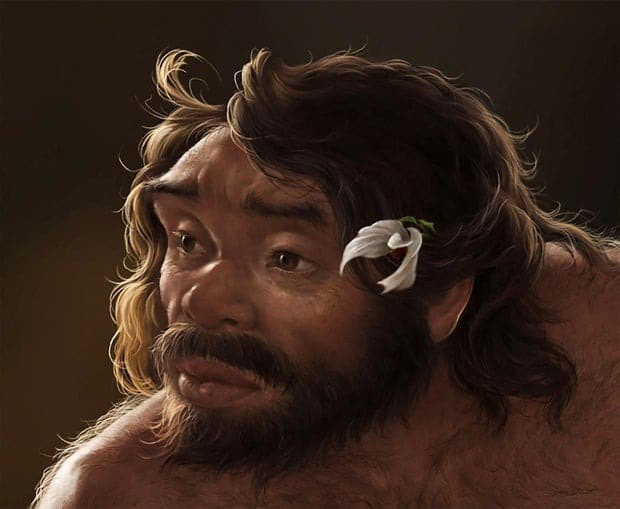
Stringer notes the fossil provides a vital window into a perplexing evolutionary timeframe. The distinctive mix of features in Yunxian 2 offers fresh perspectives on how diverse human lineages developed during this enigmatic period.
Scientific Reception: Enthusiasm With Reservations
While experts have lauded the detailed reconstruction, many urge caution regarding the interpretations drawn from it.
Michael Petraglia from Griffith University’s Australian Research Centre for Human Evolution told Agence France-Presse that the discovery might reshape views on Asia’s significance in human evolution. He speculated that East Asia’s role is potentially more pivotal than previously acknowledged.
“There’s a big change potentially happening here, where east Asia is now playing a very key role in hominin evolution,” he said. Still, he added that “the jury’s still out” and that the study is likely to spark many new discussions.
Some remain skeptical. Andy Herries from La Trobe University commented that fossil morphology alone may not conclusively reveal evolutionary relationships, referencing genetic research that sometimes offers contrasting insights.
Aylwyn Scally, an evolutionary geneticist at Cambridge University, echoed the call for prudence. As the BBC noted, he acknowledged the findings as feasible but insisted that further evidence, ideally including genetic data, is necessary before redefining the human family tree.
“That picture is still quite unclear to us, so if the conclusions of this research are supported by other analyses, ideally from some genetic data, then I think we would start to be increasingly confident about it.”
- Categories:
- Science






0 comments
Sign in to Comment