
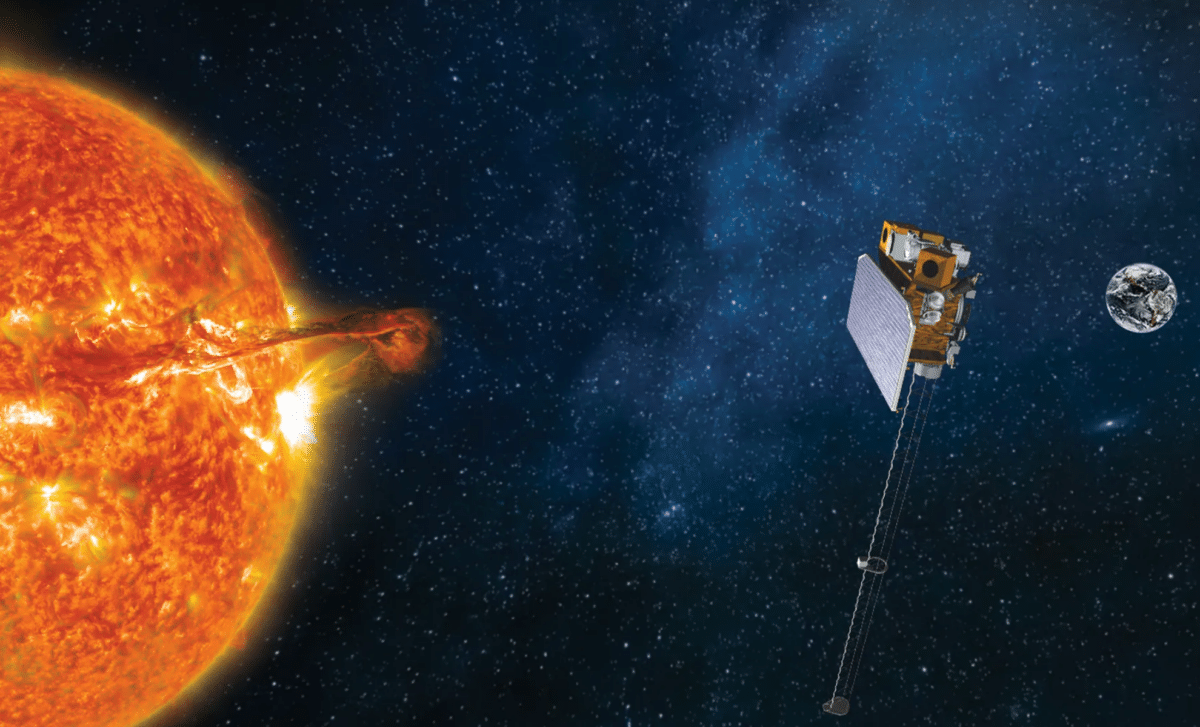
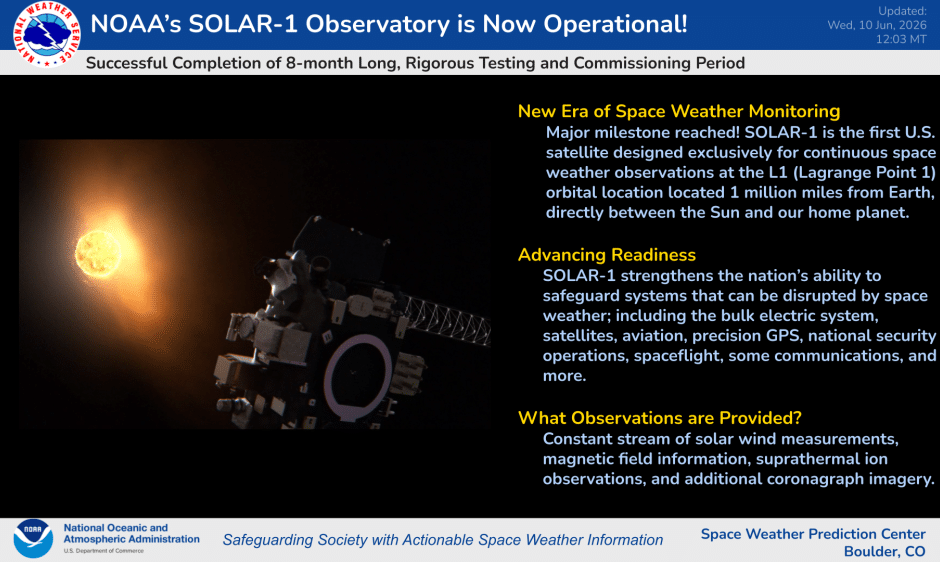
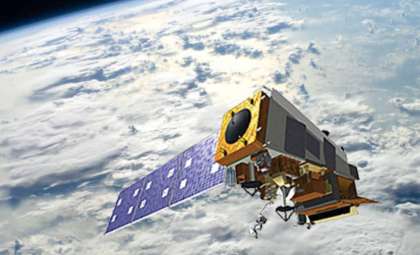
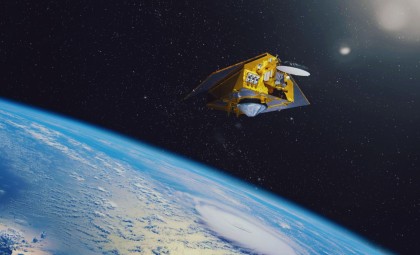
The SOLAR-1 satellite, managed by NOAA, has reached full operational status following an extensive near one million-mile voyage to the Sun-Earth Lagrange point 1 (L1). This achievement marks a groundbreaking advancement in the continuous surveillance of space weather. It is the first U.S. satellite exclusively dedicated to real-time, ongoing observation of solar phenomena that influence Earth and space missions. Its mission aims to deliver vital early alerts on solar storms and other events that threaten communications, infrastructure, and national safety.
An Innovative Leap in Tracking Space Weather
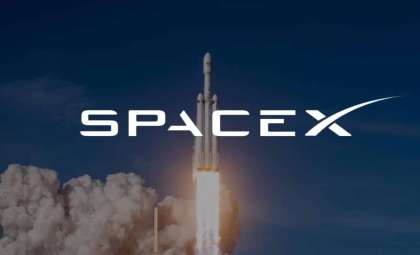
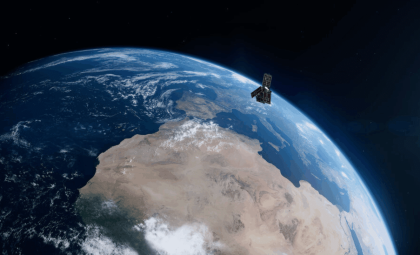
After launching on September 24, 2025, via a SpaceX Falcon 9 rocket from Florida’s Kennedy Space Center, SOLAR-1 took four months to reach its designated L1 station. NOAA identifies this spot as perfect for seamless monitoring of the solar wind and coronal mass ejections (CMEs) streaming from the Sun. Formerly named SWFO-L1, it was rebranded to Space Weather Observations at L1 to Advance Readiness – 1 (SOLAR-1) in early 2025, reflecting its enhanced focus and operational role.
Prior to commencing full operations, the satellite completed an eight-month series of post-launch tests to validate all its instruments and systems. This rigorous process, a collaboration between NOAA and NASA, ensures SOLAR-1 can consistently provide high-quality, real-time data needed for the nation’s space weather alert capabilities. This platform is a pioneering U.S. mission dedicated to ongoing, operational space weather surveillance, moving beyond purely research-driven observations.

Safeguarding Vital Infrastructure and Space Missions
SOLAR-1 plays a crucial role beyond scientific study—it is integral to national defense from space weather hazards. Clinton Wallace, director of NOAA’s Space Weather Prediction Center, notes, “It offers more lead time for protective action. This extra time helps power grid managers prepare, satellite operators shield their equipment, aviation and security agencies evaluate risk, and space mission teams safeguard astronauts and hardware. SOLAR-1 transforms solar observations into actionable steps that defend lives, infrastructure, the economy, and security.”
Through its constant surveillance, SOLAR-1 enables electric utilities, satellite fleets, flight operations, and military agencies to take protective precautions against disruptive solar effects. For lunar missions like NASA’s Artemis program, which will return humans to the Moon, this satellite provides a critical edge with early detection of hazardous solar events. By incorporating live solar weather readings into mission planning, SOLAR-1 significantly strengthens national responsiveness to the Sun’s dynamic behavior.
State-of-the-Art Instruments Deliver Fast and Precision Data
A standout feature of SOLAR-1 is its coronagraph, which precisely images CMEs as they erupt from the Sun. NOAA illustrates, “SOLAR-1’s coronagraph will transmit CME visuals to SWPC forecasters within 30 minutes after capture, outpacing previous research instruments.” This speed enables quick alerts and protective actions to be issued, shielding crucial systems from solar disruptions.
The satellite continuously relays data back to Earth, guaranteeing nonstop solar observation. Earlier tools suffered from intermittent coverage or delays in data delivery; SOLAR-1 marks a leap forward in responsiveness and data consistency. The public can also access its findings via NOAA’s Space Weather Prediction Center website, promoting broader scientific engagement and awareness regarding solar events.
Enhancing America’s Resilience to Solar Storms
Besides immediate operational gains, SOLAR-1 fortifies the U.S. space weather defense infrastructure. It delivers unbroken monitoring, bolstering early warning systems, guiding critical infrastructure protection, and assisting risk evaluations for crewed space missions. With timely, actionable intelligence, the satellite ensures improved preparedness for solar disturbances that could disrupt satellites, power networks, and communications.
This launch reaffirms NOAA’s dedication to cutting-edge science and national safety by embedding space weather detection within effective protection strategies safeguarding people and advanced technology. As solar activity continues to vary, SOLAR-1 will remain essential in anticipating, deciphering, and mitigating the Sun’s influence on Earth and human ventures beyond it.
- Categories:
- Space




0 comments
Sign in to Comment