
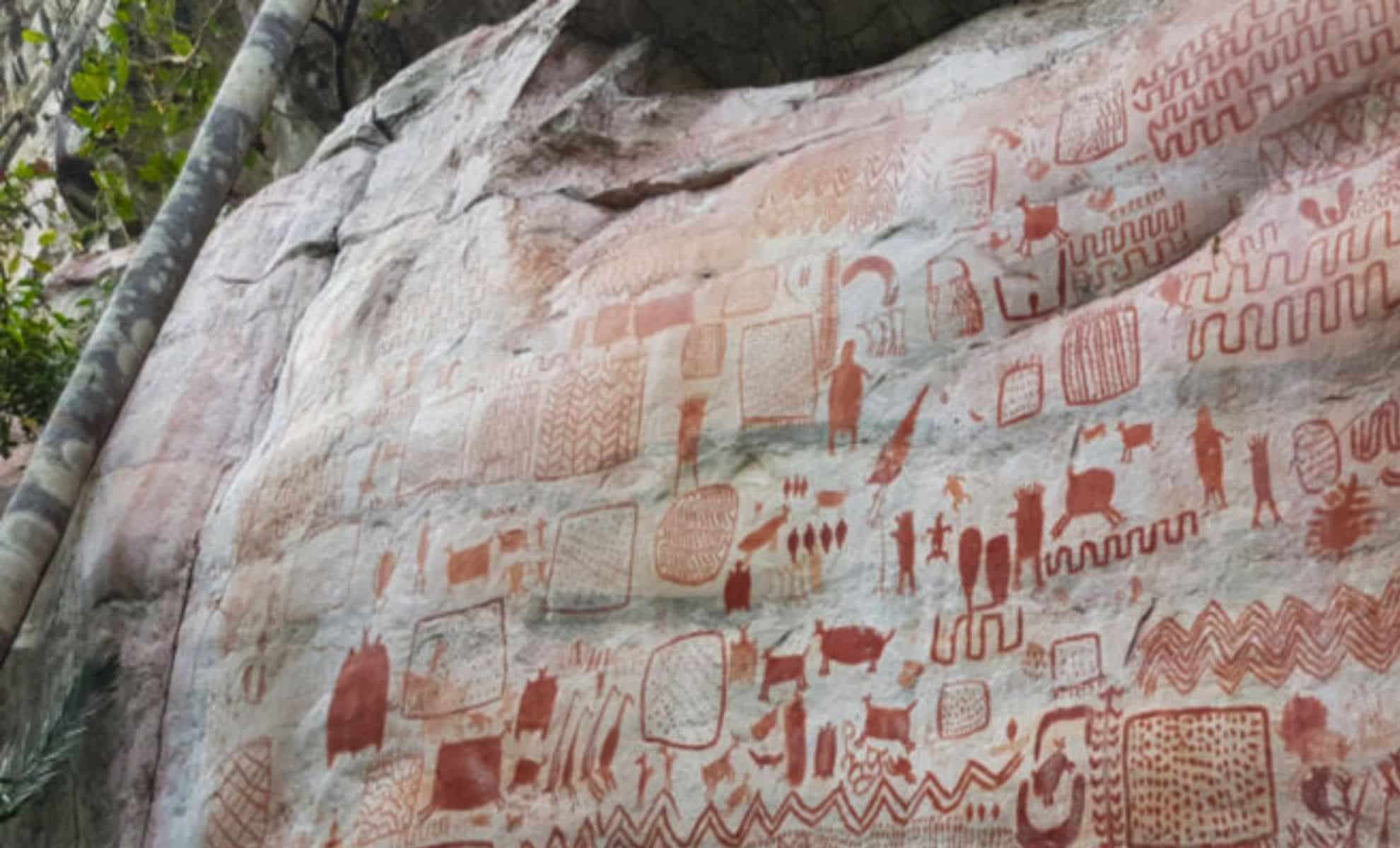
Newly discovered prehistoric rock paintings in Colombia's Amazon region portray an intriguing mix of wildlife, human-animal hybrids, and mystical figures—offering a glimpse into a sophisticated view of nature held by early inhabitants around 12,500 years ago. These red ochre artworks on the walls of Cerro Azul shed light on the complex spiritual and cultural life of these ancient communities.
Ancient Images Show Bizarre Hybrid Figures and Wildlife
The research, featured in Scientific Reports, highlights depictions of native animals such as deer, birds, lizards, turtles, and tapirs. Beyond naturalistic representations, the paintings include curious animal-human hybrid characters that imply a worldview integrating animals within spiritual narratives rather than mere subsistence.
Experts from the University of Exeter, who analyzed the artwork, noted the intentional selection of species. Common creatures like fish, abundant locally, were noticeably missing. Similarly, powerful species such as big cats, including jaguars, revered in Amazonian beliefs, were absent. This deliberate choice points to deeper symbolism and possibly religious functions for the animals portrayed in the rock art.

Interpreting the Meaning Behind the Hybrid Figures
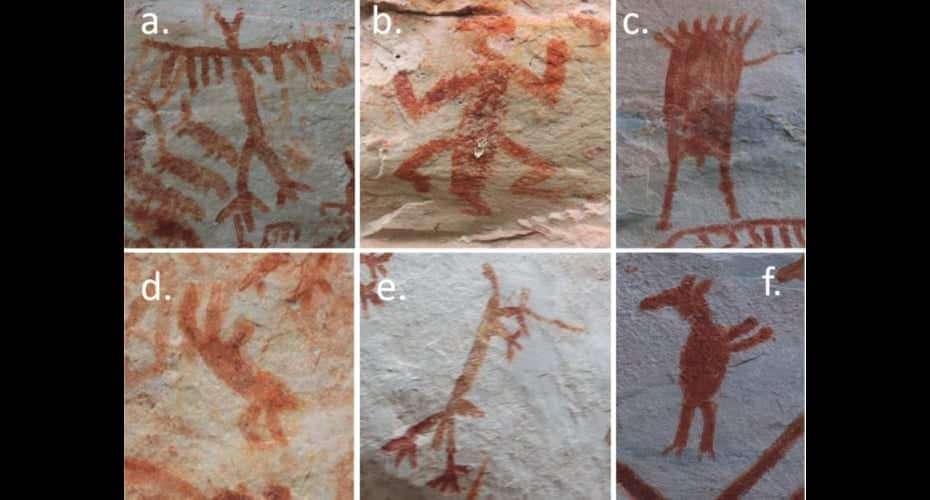
Among the most captivating elements of the rock paintings are the hybrid beings that blend human and animal traits. These illustrations may reflect a belief system where human and animal realms intersected fluidly. Jose Iriarte, lead author and professor at Exeter, remarked, “They certainly do offer greater nuance to our understanding of the power of myths in indigenous communities.”
Such figures could represent spiritual entities or gods, indicating how closely myth and nature were intertwined in these ancient Amazonian cultures.
These artworks likely played a role in ceremonial practices or storytelling traditions, symbolizing the deep interconnection between humans, wildlife, and the supernatural. Early Amazonian people appear to have embraced a spiritual worldview valuing their reciprocal ties with the natural environment.
Revealing the Mysteries of Amazonian Prehistoric Art
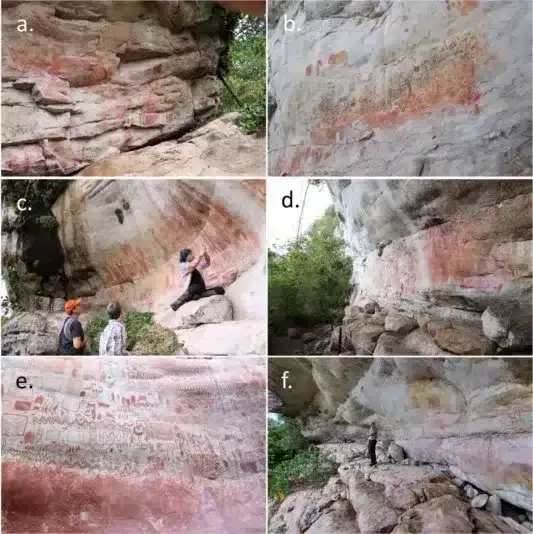
Cerro Azul is a highly significant archaeological site, previously unreachable due to Colombia’s political conflict. The 2016 peace deal between the government and the FARC allowed researchers to resume studies, culminating in the 2017 discovery of these paintings. This momentous finding has improved understanding of the early Amazon’s highly mobile societies, who depended on hunting, gathering, and fishing.
The evidence undermines earlier views of these western Amazonian groups as solely focused on survival, revealing a rich spiritual tradition intertwined with their daily lives. “These rock art sites are the earliest traces of human presence in western Amazonia, dating back some 12,500 years,” explained Mark Robinson, associate professor at Exeter.
- Categories:
- News







0 comments
Sign in to Comment