
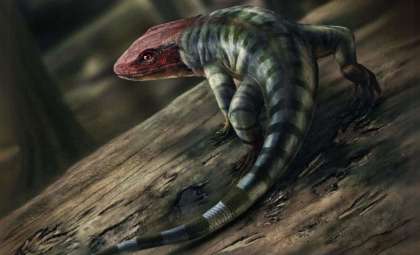
A recently identified reptile species from New Mexico is offering new insight into the diverse evolutionary paths explored before dinosaurs rose to dominance. Dubbed Labrujasuchus expectatus, this creature inhabited the Earth approximately 212 million years ago during the Late Triassic period.
Published in the Journal of Vertebrate Paleontology, this fossil belongs to the elusive shuvosaurid family. Scientists believe the discovery provides crucial information about a little-understood branch of reptilian evolution and helps bridge significant gaps in the prehistoric record.
During the Triassic, more than 200 million years ago, life experienced rapid diversification. Dinosaurs were just beginning to appear, while various reptilian groups underwent incredible adaptive changes, occupying a myriad of ecological roles with diverse anatomical structures.

Among these were the shuvosaurids, crocodylian relatives that developed a distinctive body form. With their elongated hind legs, lightframe physique, and toothless beaks, they bore a striking resemblance to small theropod dinosaurs, despite belonging to a distant reptilian lineage.
A Dinosaur-Like Crocodile Kin
According to the research in the Journal of Vertebrate Paleontology, Labrujasuchus was part of the Shuvosauridae family, characterized by its remarkable anatomy. At first sight, it wouldn’t resemble a traditional crocodile. It exhibited bipedal locomotion, possessed reduced forelimbs, and featured a beak rather than teeth. Its overall form mirrored that of ornithomimosaurs—the swift, ostrich-like dinosaurs that emerged much later in the Cretaceous period.
This likeness arose fully independently, an example of convergent evolution where unrelated species evolve similar traits due to comparable environmental pressures.
“We see a lot of the successful strategies for modern animals and non-avian dinosaurs first arise in the Triassic, and shuvosaurs are a great example of that convergent evolution,” said lead author Dr. Alan Turner.
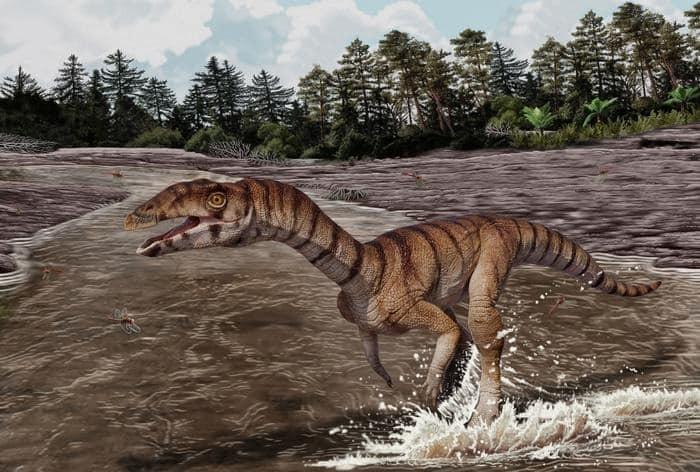
Dr. Turner emphasized that, although bipedalism might seem uncommon for croc relatives, it has repeatedly proven to be an effective evolutionary strategy across various animal groups.
An Anticipated Addition to the Fossil Record
With fewer than six shuvosaur species documented, every new specimen significantly enhances our understanding of this lineage. What stands out about Labrujasuchus expectatus is its placement within the fossil timeline.
Researchers had previously uncovered shuvosaur specimens dating to earlier and later intervals in the same geographic region, suggesting a missing intermediate species awaited discovery.
This anticipation influenced the naming of expectatus. The fossil confirmed scientists’ predictions by representing that very evolutionary link.
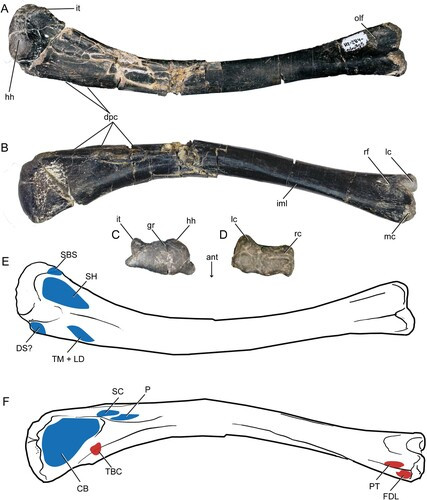
The genus designation honors local heritage: Labrujasuchus merges “Ranchos de los Brujos,” an old Spanish term for Ghost Ranch meaning “Ranch of the Witches,” with the Greek suffix suchus, meaning crocodile.
“We wanted to give a nod to that colorful history,” said co-author Dr. Nate Smith, adding that: “We also wanted to highlight how the fossil record works—finding one shuvosaur from earlier in the Triassic and one from later meant that we paleontologists knew there were probably more from in-between waiting to be discovered and described.”
Another Remarkable Discovery from Ghost Ranch
The specimen was excavated at Hayden Quarry within Ghost Ranch, New Mexico, a key Late Triassic fossil locality in North America. According to announcements accompanying the study, paleontologists have extensively explored the quarries for decades, unearthing exceptionally well-preserved fossils from an era when reptiles showcased extraordinary diversity in body structures.
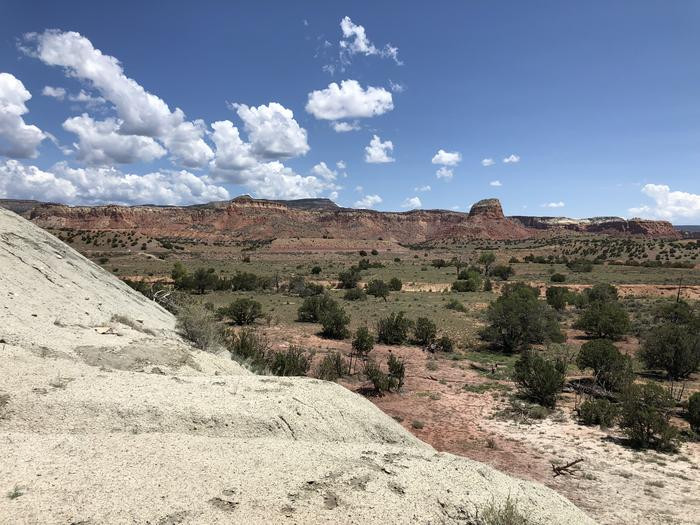
This find coincides with two decades of joint excavation efforts at Ghost Ranch. Researchers from the Natural History Museums of Los Angeles County and multiple institutions continue studying this locale, which offers invaluable insights into Triassic-era ecosystems.
“Whether visitors are seeking its iconic landscape and spiritual healing or digging into ancient history, Ghost Ranch is a place like nowhere else on the planet. We’re looking forward to collaborating with Dr. Turner, Dr. Smith, and all their colleagues to continue sharing this extraordinary place for years to come,” Joanne Lefrak, Director of Experience and Social Impact at the Ghost Ranch Education and Retreat Center, noted.
- Categories:
- Science

0 comments
Sign in to Comment