
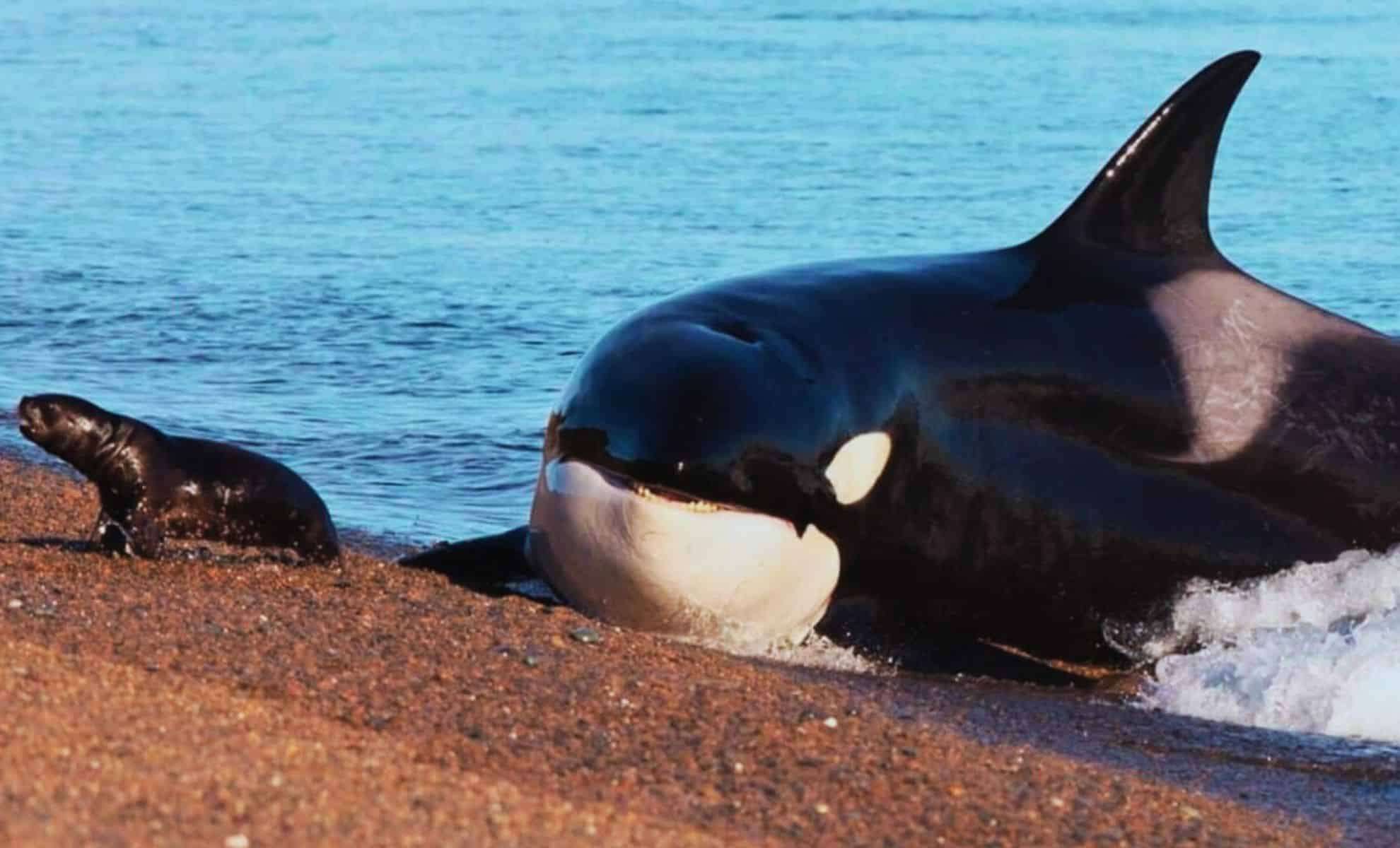
A newly published study in Proceedings of the Royal Society B reveals that orcas and dolphins have evolved to a stage where returning to a terrestrial existence is no longer biologically feasible. The research, headed by Bruna Farina, a doctoral scholar at the University of Fribourg in Switzerland, analyzed data from over 5,600 mammal species and concluded that fully marine mammals have become so finely adapted to ocean life that evolution cannot reverse the transition back to land.
This irreversible evolutionary threshold, often described as the “point of no return”, profoundly impacts our grasp of species evolution and the future viability of these marine mammals amid rapidly evolving oceanic conditions.
Why Dolphins and Orcas Are Locked Into Ocean Living
Approximately 250 million years ago, the ancestors of today’s dolphins and orcas made a pivotal shift from terrestrial habitats to aquatic environments. Over extensive evolutionary time, their anatomy transformed to meet the challenges of life underwater. The study’s authors placed modern mammals along a continuum ranging from land-dwelling to fully aquatic, highlighting a vital evolutionary boundary: once mammals reach complete aquatic specialization, reversal is virtually impossible.

This discovery aligns with Dollo’s law, which proposes that complex characteristics lost through evolution rarely reemerge. For dolphins and orcas, this includes not only the loss of limbs adapted for walking but entire physiological networks—comprising respiratory, muscular, skeletal, and reproductive systems—that have been extensively modified to support marine life.
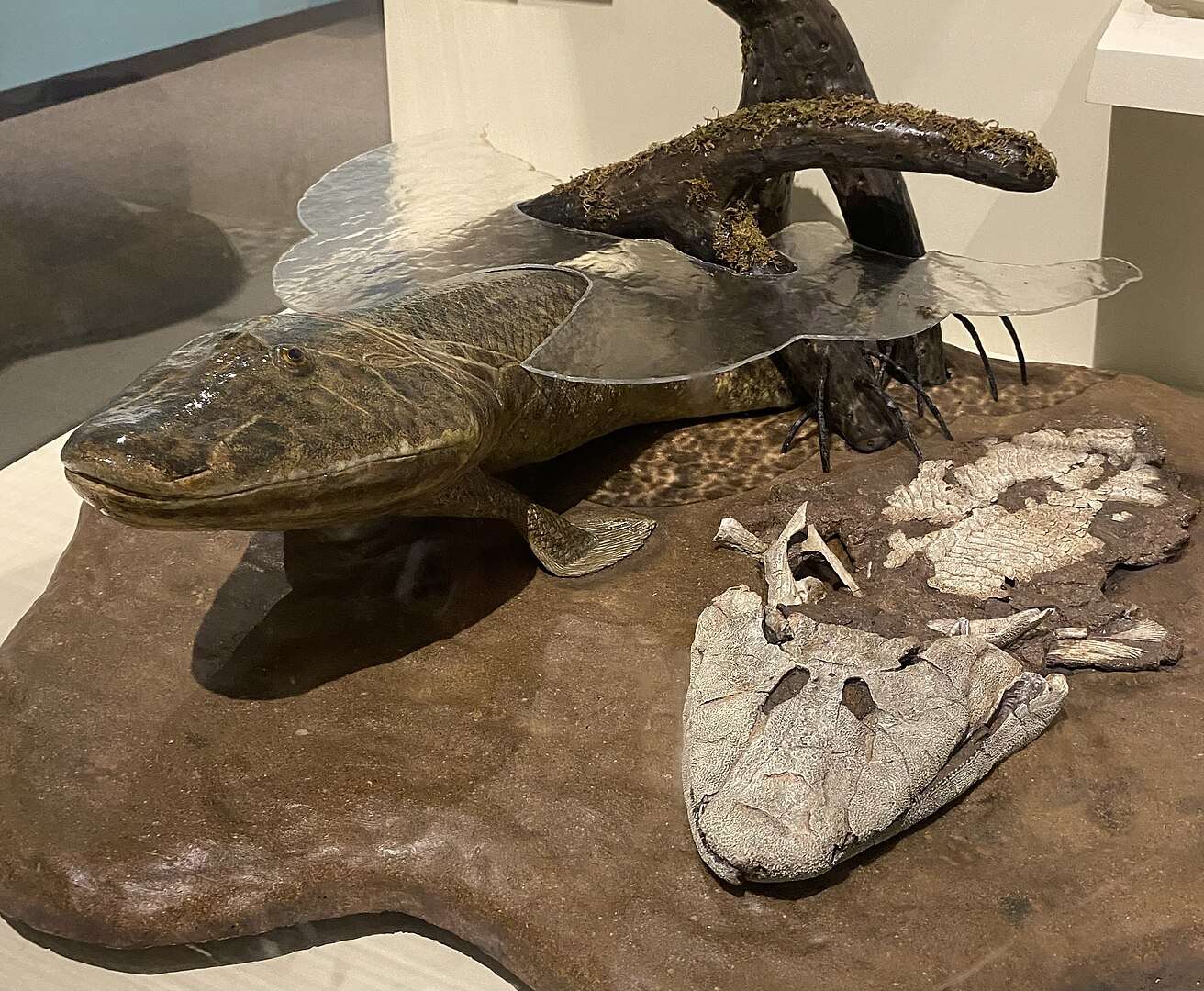
These evolutionary changes are profound. Over time, these creatures developed larger physiques to maintain heat in colder waters, adopted meat-rich diets, evolved flippers in place of legs, and acquired powerful tails for effective swimming. Their reproductive strategies also shifted to facilitate aquatic birthing. These shifts represent extensive anatomical reconfiguration rather than minor adaptations.
The Risks of Being Ecologically Specialized
Although these transformations have propelled dolphins and orcas to become some of the ocean’s top predators, their evolutionary specialization confines them to a narrow ecological niche. The research underscores that these species have become “entrenched in their marine existence”, so highly adapted they are unable to revert to terrestrial life, even if marine environments degrade.
This inflexibility can lead to increased vulnerability. Farina and colleagues emphasize that species with narrow specializations are especially susceptible to rapid environmental shifts. Compared to generalist species that can adjust habitats or diets, dolphins and orcas depend on a stable and specific ecosystem. If this habitat deteriorates, their options for survival are severely limited.
Given ongoing pressures such as climate change, which brings threats like rising ocean temperatures, ocean acidification, and dwindling fish stocks, this biological rigidity could pose a serious threat to their continued existence. The study highlights a paradox: the very adaptations that have perfected dolphins and orcas for ocean life might also make them vulnerable under shifting environmental conditions.
From Evolutionary Triumphs to Cautionary Tales
The hypothesis that dolphins and orcas might eventually reclaim terrestrial habitats has long intrigued both researchers and science fiction enthusiasts. However, this investigation provides concrete evidence that these marine mammals have effectively sealed their evolutionary fate in the water. Their aquatic expertise is unparalleled, but they have lost the capacity to thrive outside that domain.
They now serve as a prime example of what biologists term specialization risk—being so adapted to one environment that survival becomes impossible when that environment changes dramatically. Historically, such extreme specialization has often precipitated extinction, particularly during periods marked by swift climate upheaval.
Farina’s findings do not forecast imminent extinction for these species, but they do draw a direct link between the wellbeing of dolphins and orcas and the stability of marine ecosystems. As ocean conditions continue to evolve, species entirely dependent on their current habitats may find their survival prospects increasingly uncertain.
- Categories:
- Science





0 comments
Sign in to Comment