
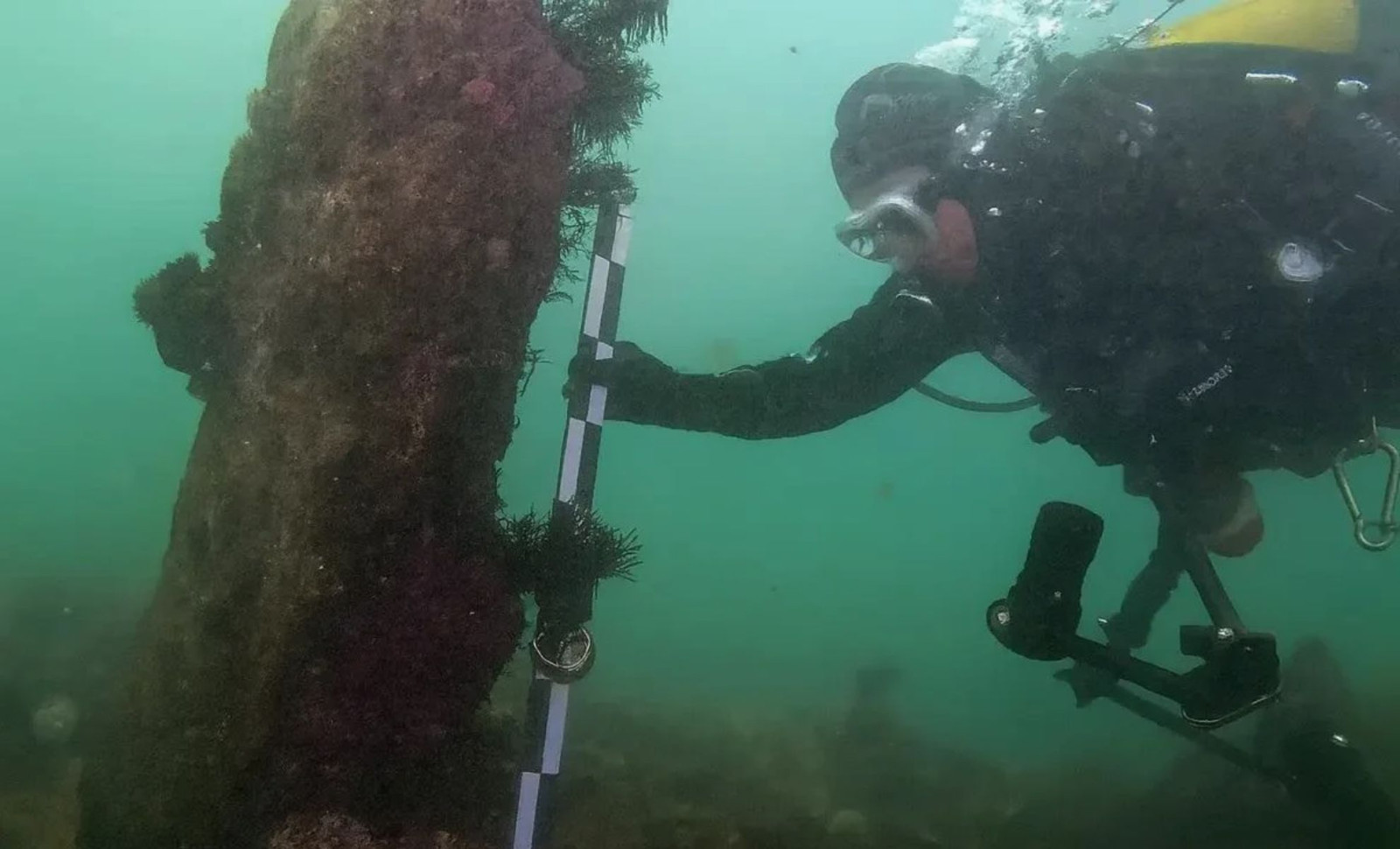
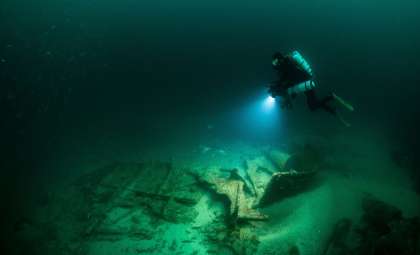
A colossal stone monument lying under the Sea of Galilee has left archaeologists puzzled, as its exact age and function remain elusive. Weighing around 60,000 tons, this submerged feature is among the largest of its kind discovered in the area.
The structure was initially identified during a sonar mapping expedition in 2003 in the lake’s southwest section. Its distinctive cone shape and impressive size captivated researchers, spurring further dives. Its location near ancient sites encourages speculation about its ties to early civilizations in the region.
An Enormous Unshaped Basalt Cairn
Standing nearly 10 meters (32 feet) tall and stretching close to 70 meters (230 feet) wide, the monument consists of uncut basalt stones, some reaching up to 1 meter in length, as detailed by a release from the International Journal of Nautical Archaeology. Divers observed no signs of stone shaping or carving. The rocks appear haphazardly stacked without evident architectural structure or walls.

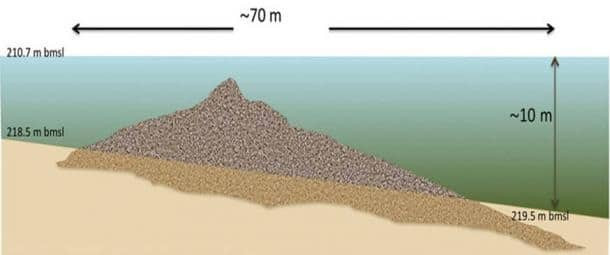
Researchers classify the formation as a cairn, a man-made stone pile often linked to funerary sites elsewhere, although no direct proof supports this here.
Human-Made Structure Evident from Formation
This structure does not match natural rock formations found in the vicinity. The research team asserts its shape and materials strongly indicate human origin.
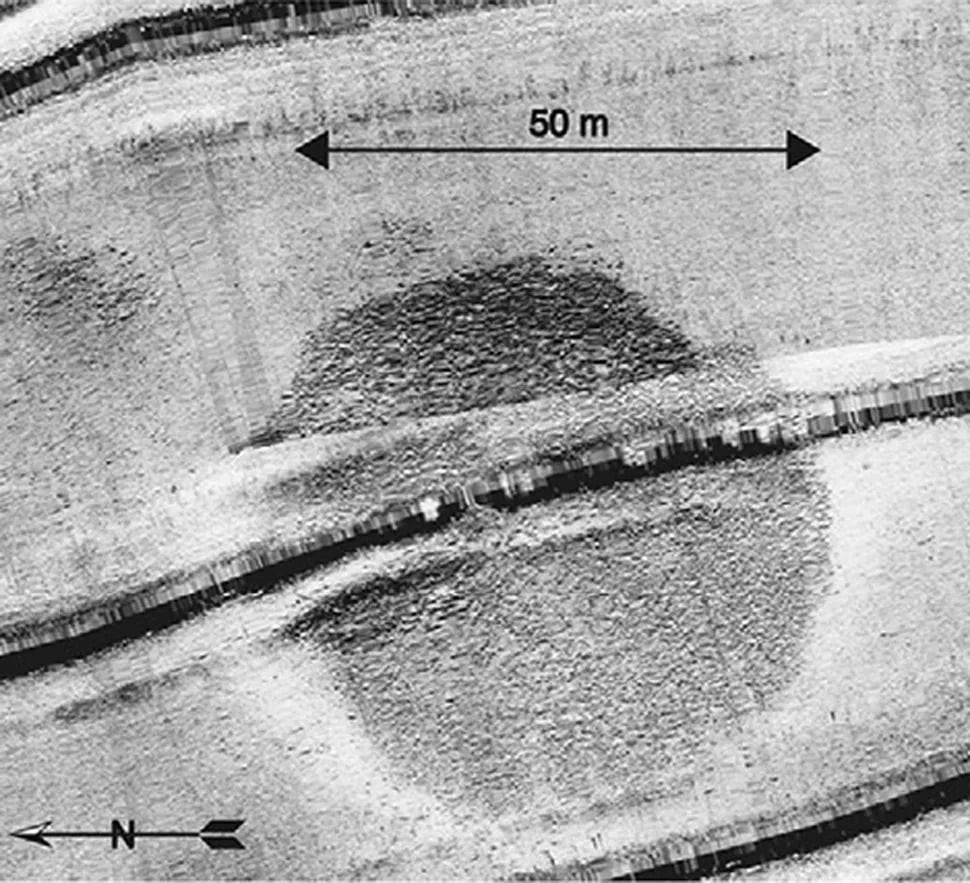
The team suggests the cairn was constructed on dry land but became submerged due to rising water levels in the Sea of Galilee. This aligns with documented environmental transformations occurring over millennia. The monument’s enormity reflects notable planning and labor investment from its creators. They comment:
“This is such a huge structure that it truly is something unusual. It could have been a big ceremonial structure, or a ramp. There could have once been statues on top of people in certain rituals. I mean, I’m really going wild here. The truth is we don’t know how it was constructed, what its exact age is, how it was used, or how long ago it was used. We have several speculations, but we don’t know much except that it’s there and it’s huge.”
Possible Bronze Age Connection
Yitzhak Paz, affiliated with the Israel Antiquities Authority and Ben-Gurion University, proposed that the monument may date back to the third millennium B.C.. Similar megalithic constructions have been recorded nearby.
One comparison discussed is Khirbet Beteiha, roughly 30 kilometers northeast, noted for its concentric stone formations. These similarities imply the underwater cairn might belong to the same cultural tradition.
Confirming this timeline would place the cairn near Bet Yerah (also known as Khirbet Kerak), a prominent Bronze Age settlement. Archaeologist Raphael Greenberg highlighted the site’s expansive size, covering 30 hectares and housing up to 5,000 people, complete with fortifications and planned urban layouts.
Since underwater excavations have not yet been undertaken, questions about the monument’s age and purpose remain unresolved.
“If the site was inland, it would be much easier to investigate. By now we would have excavated, but because it’s submerged we haven’t yet been able to. It is a much harder process, both physically and financially. It is very expensive to raise support for such an enterprise,” noted Yitzhak Paz.
- Categories:
- News




0 comments
Sign in to Comment