
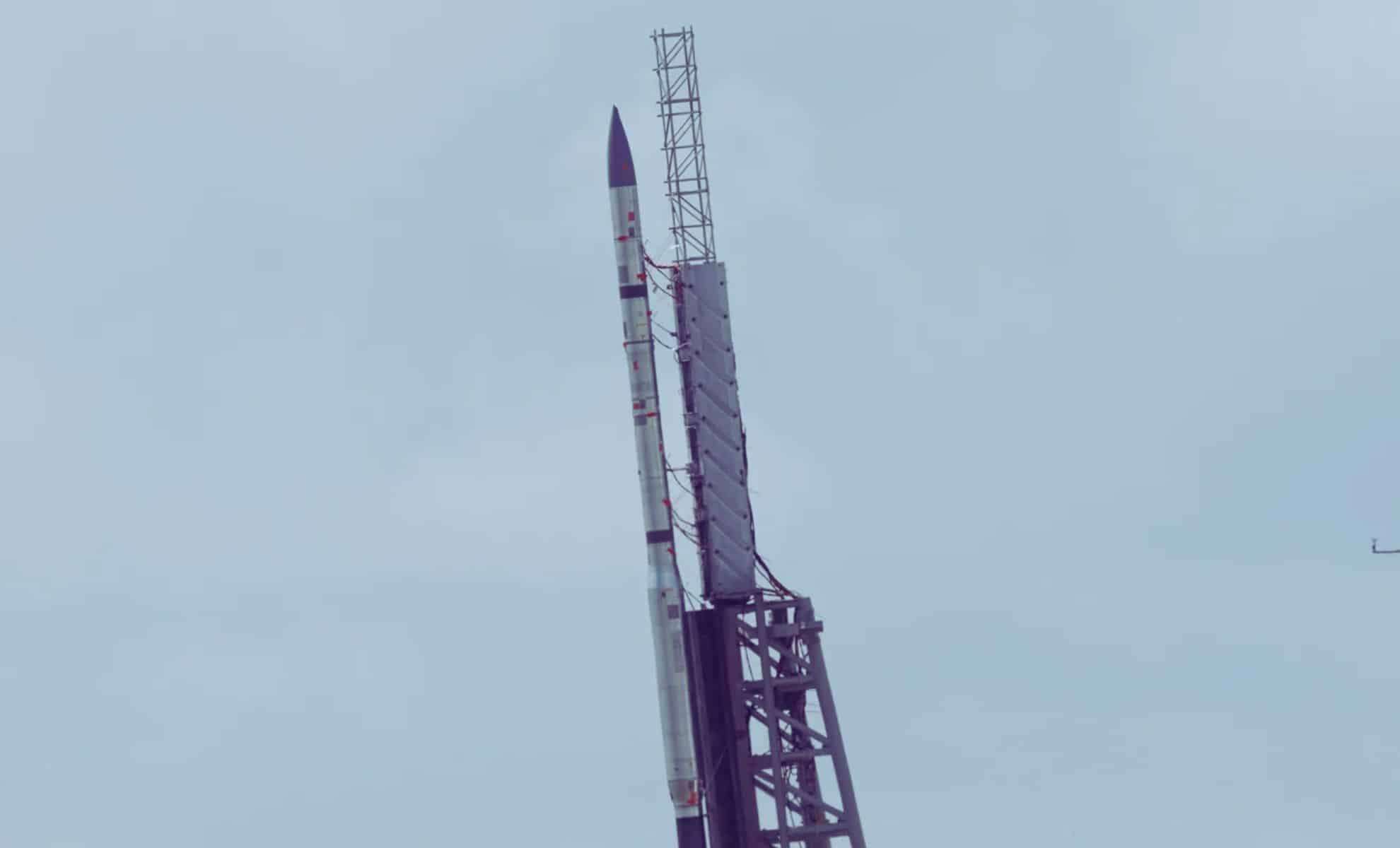
NASA is gearing up for the TOMEX+ sounding rocket launch, targeted for August 25, 2025. This mission aims to deepen our understanding of Earth's atmospheric environment by collecting crucial data from the layers extending into space. According to NASA’s official blog, TOMEX+ represents a major advancement in atmospheric science, continuing a long tradition of high-impact suborbital explorations with real-time mission updates planned for observers worldwide.
Mission Details: What to Expect from TOMEX+
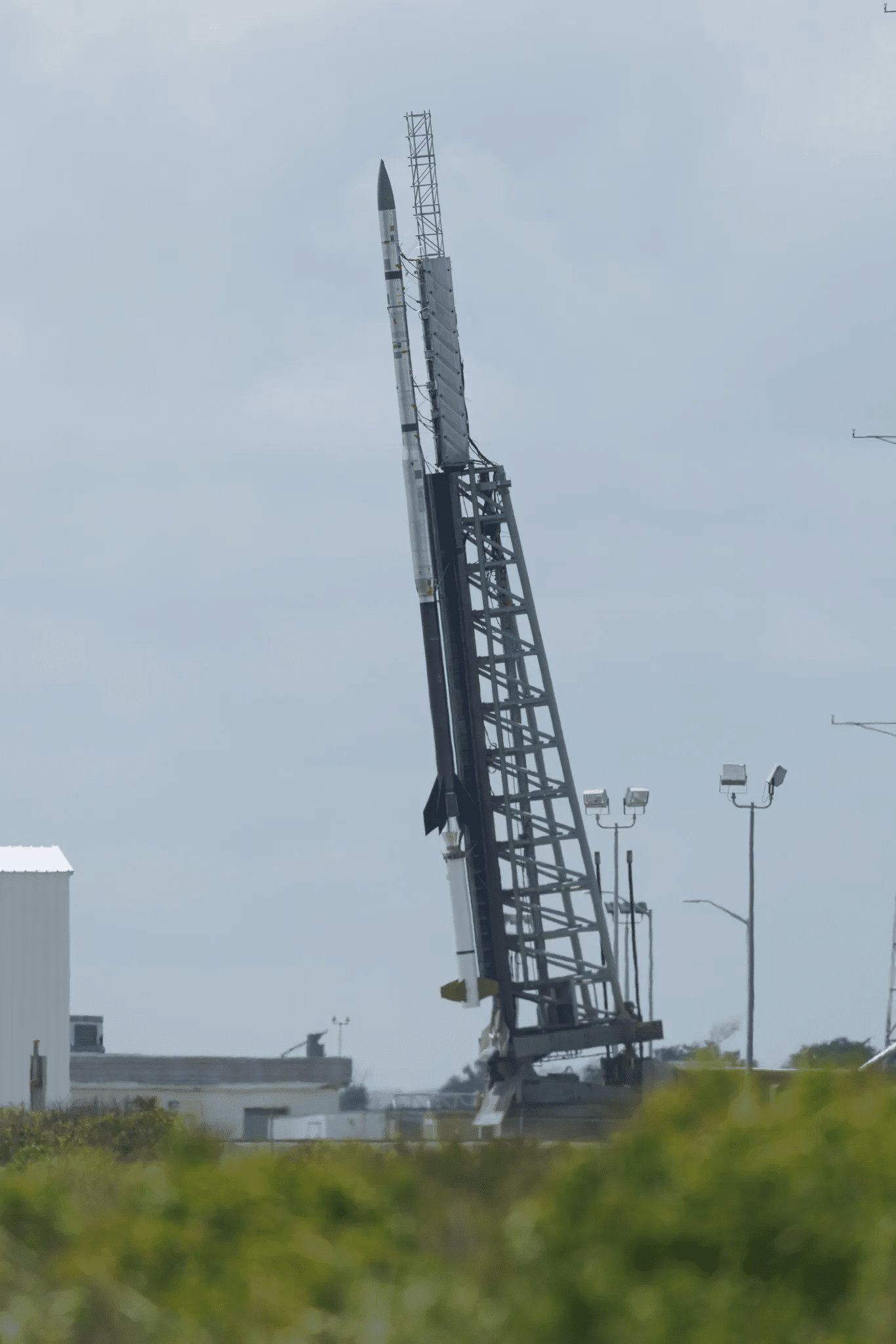
The TOMEX+ sounding rocket is a vital part of NASA’s current atmospheric research initiatives. Its main purpose is to gather detailed information about the upper reaches of Earth's atmosphere, providing insights into dynamic processes that affect the space environment surrounding our planet. This mission builds on decades of NASA’s expertise in suborbital flights dedicated to atmospheric science.
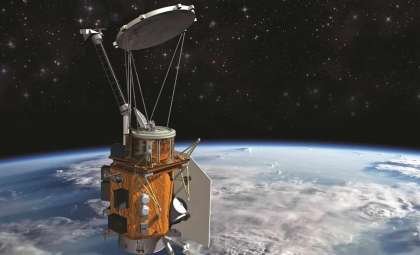
Sounding rockets launch instruments just beyond the Earth's atmosphere to perform short-duration scientific measurements before returning to the surface. Unlike orbital spacecraft, these rockets reach altitudes sufficient for capturing valuable atmospheric data without fully entering space. Focused on studying the ionosphere and environmental conditions that influence space weather, TOMEX+ will enhance our understanding of how these factors affect satellite communications and other technologies.

Scientific Aims and Mission Focus
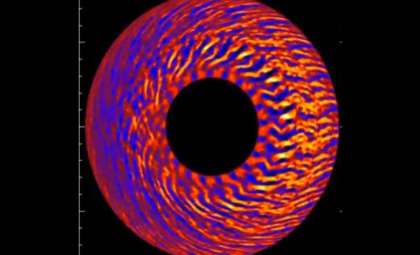
The TOMEX+ mission primarily targets the study of the ionosphere, a key atmospheric layer charged with electricity and often responsible for disrupting satellite and radio communications. Researchers will scrutinize how solar wind and other space weather effects influence this layer and subsequently impact critical communication networks.
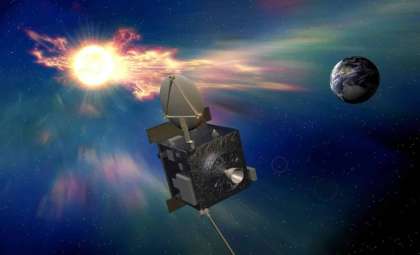
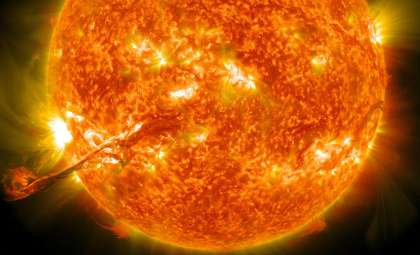
TOMEX+ will collect detailed observations on ionospheric disturbances triggered by solar phenomena such as geomagnetic storms, advancing our grasp of space weather's impact on Earth-based infrastructure.
Additionally, the mission will investigate the thermosphere, extending approximately 80 to 640 kilometers above Earth’s surface. This layer hosts spectacular phenomena like auroras and is the region many satellites orbit. By studying its chemical makeup, density, and behaviors, scientists hope to reveal its connections to Earth's broader climate and atmospheric interactions.
The Vital Role of Sounding Rockets in Atmosphere Studies
Sounding rockets have become essential instruments for atmospheric research due to their cost efficiency and swift deployment compared to orbital missions. They are uniquely poised for brief but intensive data collection flights that provide insights unattainable by other methods.
NASA’s deployment of sounding rockets, including TOMEX+, highlights their irreplaceable role in advancing space and atmospheric science. Equipped with various scientific devices such as spectrometers, cameras, and sensors measuring pressure and ion density, these rockets deliver rich scientific returns.
Beyond research, sounding rockets serve as testbeds for emerging technologies vital for future deep-space missions. The TOMEX+ mission will not only enhance our understanding of Earth's atmosphere but also evaluate new instruments potentially useful for exploration ventures targeting the Moon, Mars, and further frontiers.
Launch Schedule and Viewing Information
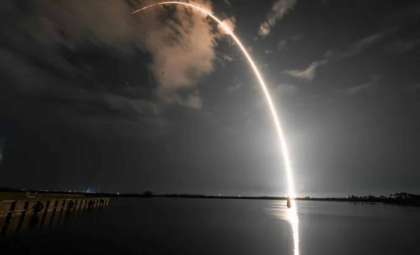
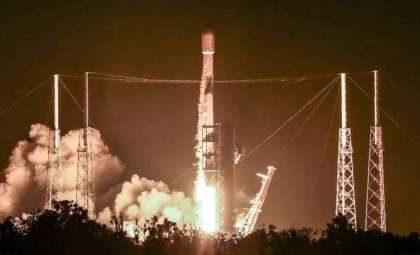
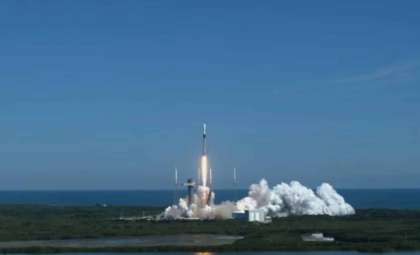
The TOMEX+ launch is planned for August 25, 2025, during a window between 10 p.m. and 3 a.m. EDT. Launch operations will be conducted from NASA’s Wallops Flight Facility in Virginia, a key center for suborbital missions. The rocket’s flight path is meticulously orchestrated to ensure comprehensive data collection and safe instrument recovery.
Throughout the launch period, NASA will offer live coverage so the public can engage with the mission in real time. This transparent approach allows enthusiasts and researchers alike to follow progress closely and discuss emerging findings as they are collected, making it a unique educational and scientific event.
- Categories:
- News



0 comments
Sign in to Comment