
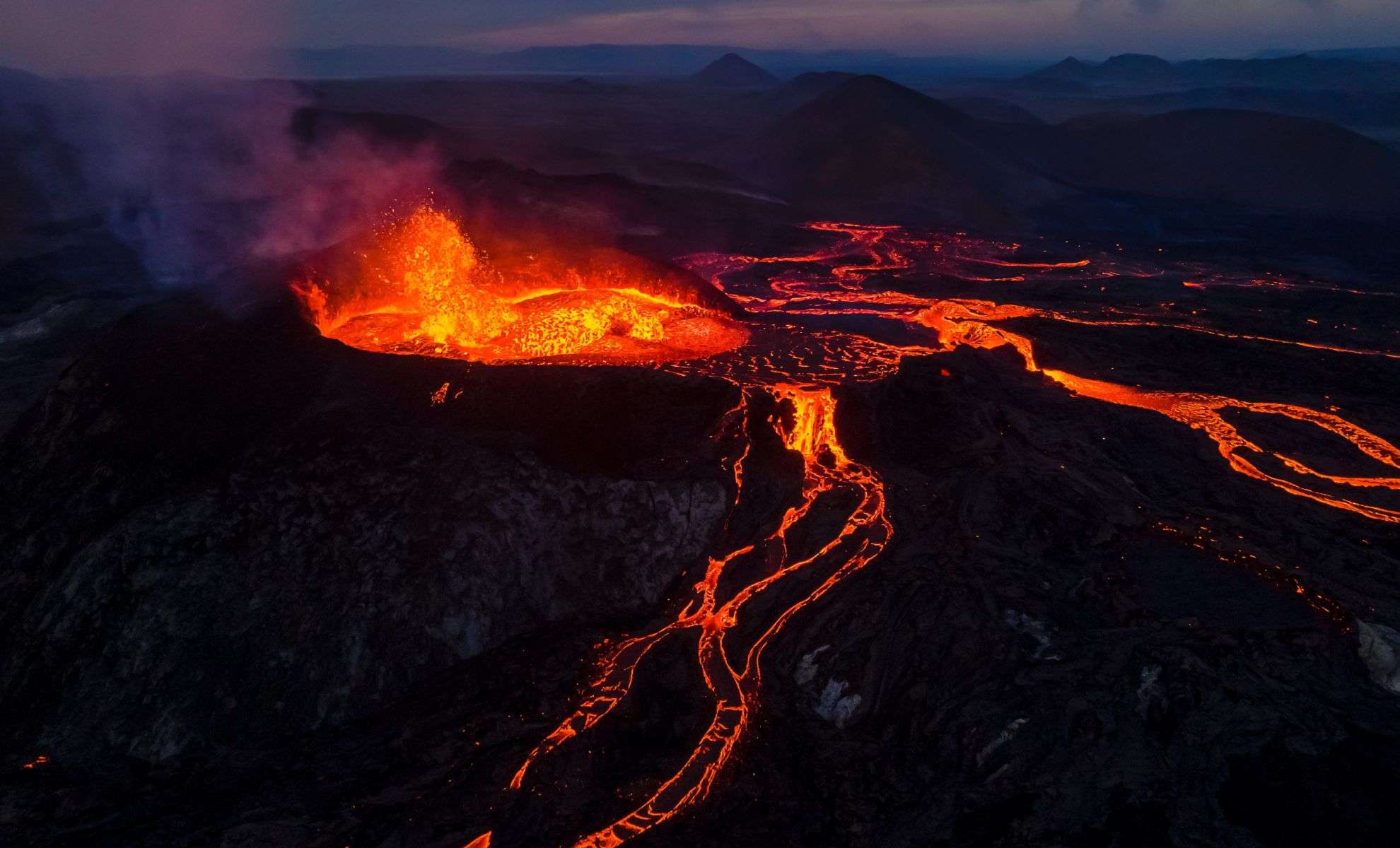
Researchers have, for the first time, identified consistent volcanic tremors beneath Oldoinyo Lengai, an extraordinary volcano located in northern Tanzania. Contrary to expectations set by its unusually fluid and cool lava, this volcano exhibits significantly more seismic activity than previously recognized.
The investigation, spearheaded by Dr. Miriam Christina Reiss of Johannes Gutenberg University Mainz, detected a network of tremor signals originating deep beneath the Earth's surface and spanning various depths. Published in Communications Earth & Environment, these findings could transform current geological perspectives on how magma and volcanic gases move below the ground.
A Volcano Unlike Any Other
Oldoinyo Lengai stands apart as the only existing active carbonatite volcano on our planet. Its lava flows at a remarkably low temperature of about 550°C, far cooler than the typical near-1,200°C seen in regular lava. This low viscosity suggested the lava would traverse quietly beneath the crust with minimal disturbance.

However, researchers’ observations contradicted this assumption. Over an 18-month period, a suite of seismometers monitored faint ground vibrations around the volcano, focusing on a persistent type of movement called tremor. Unlike earthquakes, tremors represent continuous vibrations often linked to magma flow or gas emissions. Dr. Reiss emphasized that such signals contain “valuable information about the internal conditions of a volcano.”
Linked Tremors at Varying Depths
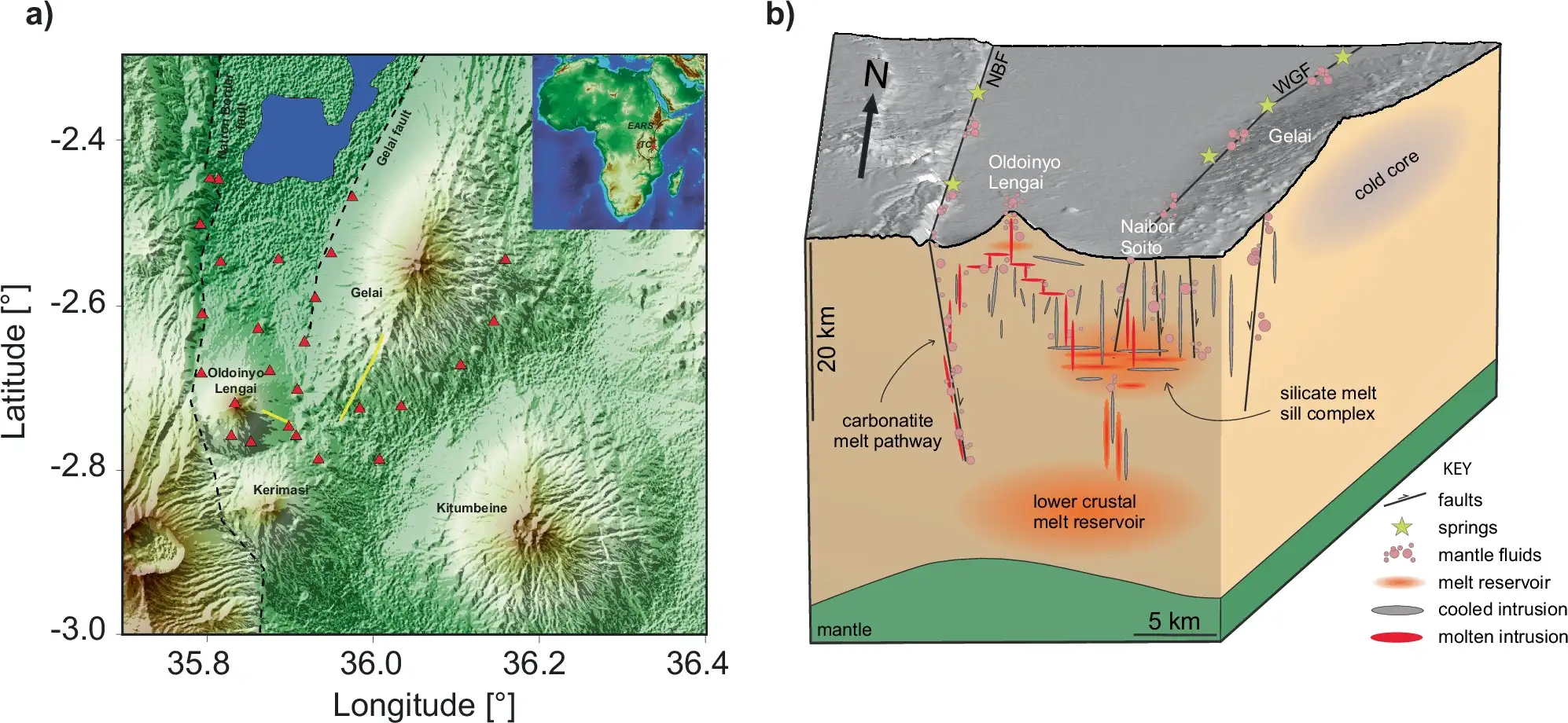
Analyzing a detailed nine-week dataset, the team pinpointed the origins of the tremor activity. Remarkably, they identified two distinct tremor types: one located around five kilometers below the surface and another nearer to the base of the volcano. Crucially, these tremors were interconnected.
“We discovered that two types of tremor seem to be linked,” said Reiss. “It is clear that these signals are connected, thus we see a directly linked system here.”
This suggests subterranean dynamics at deep levels influence the activity nearer the surface. According to ScienceDaily, this marks the inaugural mapping of such a linked tremor system at Oldoinyo Lengai.
Unexpected Tremor Levels for Low-Temperature Lava
Prevailing theories suggested that the highly fluid lava of Oldoinyo Lengai would generate minimal seismic tremors, due to its smooth flow reducing friction and disturbances underground. However, the recorded data told a different story.
“The results were particularly surprising because the magma is so fluid,” Reiss pointed out. “We had expected few or no tremor as the interaction with the surrounding rock would likely be weaker.”
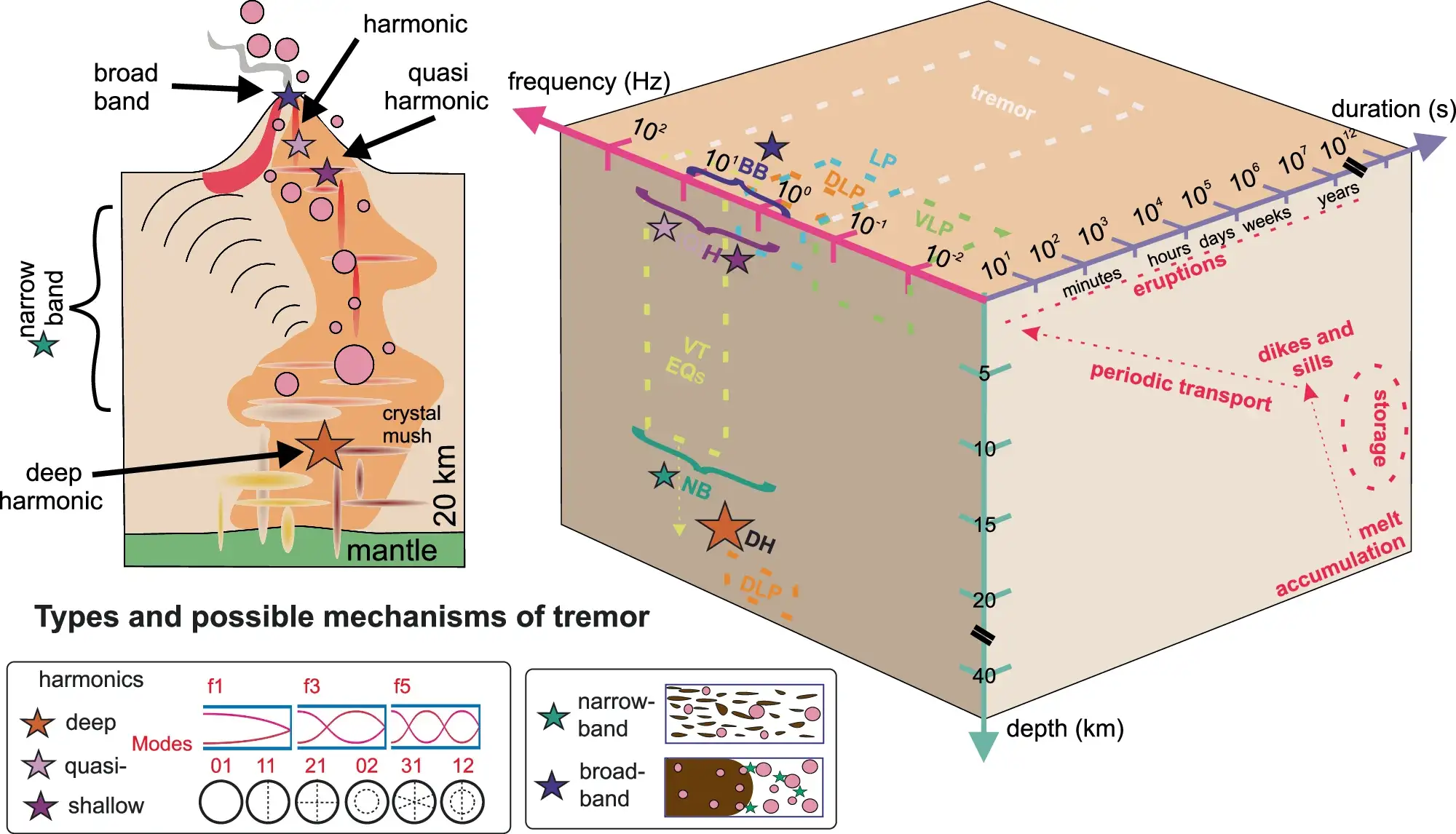
The study revealed a complex variety of tremor signals, implying diverse conditions exist within separate magma pockets inside the volcano. Some tremors appear linked to magma navigating constricted channels, while others may stem from gas bubble release or shifts in pressure within narrow volcanic pathways.
Decoding a Volcano’s Subterranean Signals
The researchers note that tremors occur “whenever magma is moving—even before eruptions.” However, distinguishing significant signals from harmless background vibrations such as bubbling and underground shifting remains challenging.
Dr. Reiss is optimistic that these findings will eventually contribute to better prediction of volcanic eruptions. For now, the team has achieved a major milestone by visualizing an underground process that was previously hidden.
Ultimately, Oldoinyo Lengai continues to intrigue with its cool, ultra-fluid lava and the unexpectedly rich seismic activity beneath its surface, challenging existing volcanic models.
- Categories:
- News






0 comments
Sign in to Comment