
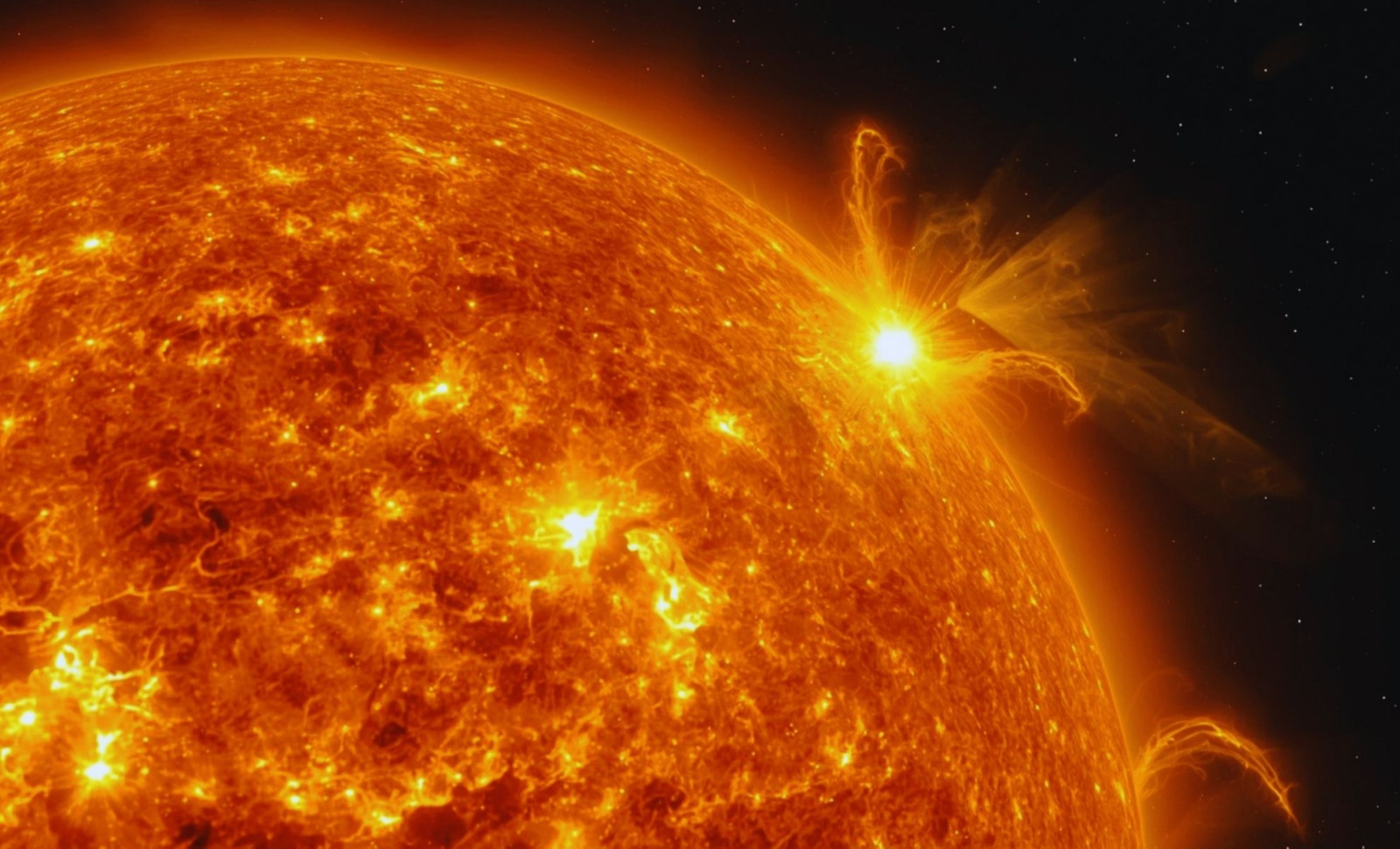
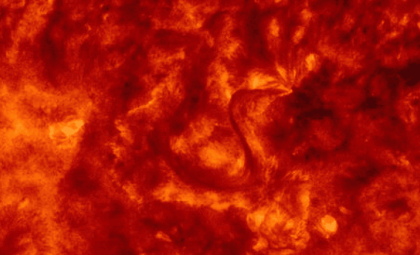
Scientists have followed an exceptionally active area on the sun from its emergence to dissipation, monitoring its dynamic behavior continuously for 94 days. This solar region, dubbed NOAA 13664, unleashed the most intense geomagnetic storms experienced on Earth in over 20 years, causing disruptions to satellites, farming technology, and even railway signaling systems.
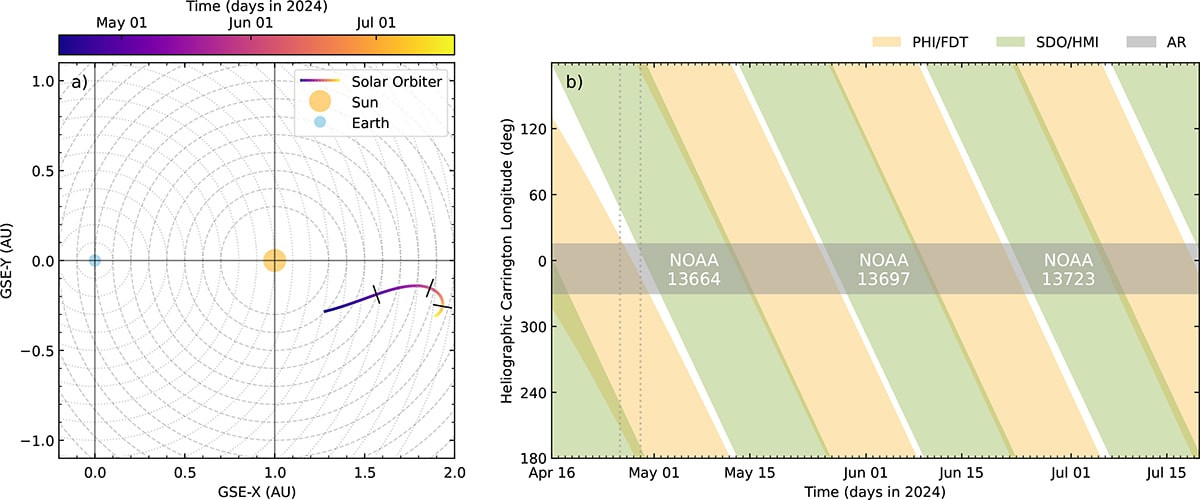
This unprecedented tracking was achieved by integrating observations from two spacecraft: the European Space Agency’s Solar Orbiter, which imaged the Sun’s far side, and NASA’s Solar Dynamics Observatory, which maintained constant surveillance of the hemisphere facing Earth. Together, they produced an unmatched record of a solar active region’s full lifecycle.
NOAA 13664’s Unprecedented Visibility
Typically, solar active zones remain observable from Earth for only about two weeks before rotating away from sight. However, thanks to the Solar Orbiter, operational since 2020 and orbiting broadly around the Sun, previously hidden areas became accessible. As explained by Ioannis Kontogiannis, solar physicist at ETH Zurich, this vantage point enabled early detection of NOAA 13664 before it appeared on Earth’s side. By May 2024, the region rotated into Earth's view and immediately showed remarkable features.

“This region caused the spectacular aurora borealis that was visible as far south as Switzerland,” noted Louise Harra, ETH Zurich professor and director of the Davos observatory.
The team observed NOAA 13664 through three full solar rotations, allowing continuous insight into its magnetic evolution over time.
Earth Experiences the Solar Onslaught
The repercussions of NOAA 13664 extended well beyond striking auroras. Harra highlighted the technological toll in May 2024, notably impacting smart agriculture. Interruptions to satellite communications interrupted operations for drones, sensors, and autonomous farm machinery, causing production halts and crop damage.
Additional sectors faced challenges as well. “Even railway signaling systems were affected, with signals switching irregularly between red and green,” she remarked. This incident underscores growing worries over how space weather phenomena interfere with increasingly sensitive and aging terrestrial infrastructure.
Historical events have produced comparable effects. As ScienceDaily summarized, intense solar activity in February 2022 destroyed 38 of 49 recently launched Starlink satellites. NOAA 13664 served as a sobering reminder of our dependence on a fragile technological network exposed to influences from 150 million kilometers away.
Unraveling the Sun’s Magnetic Complexity
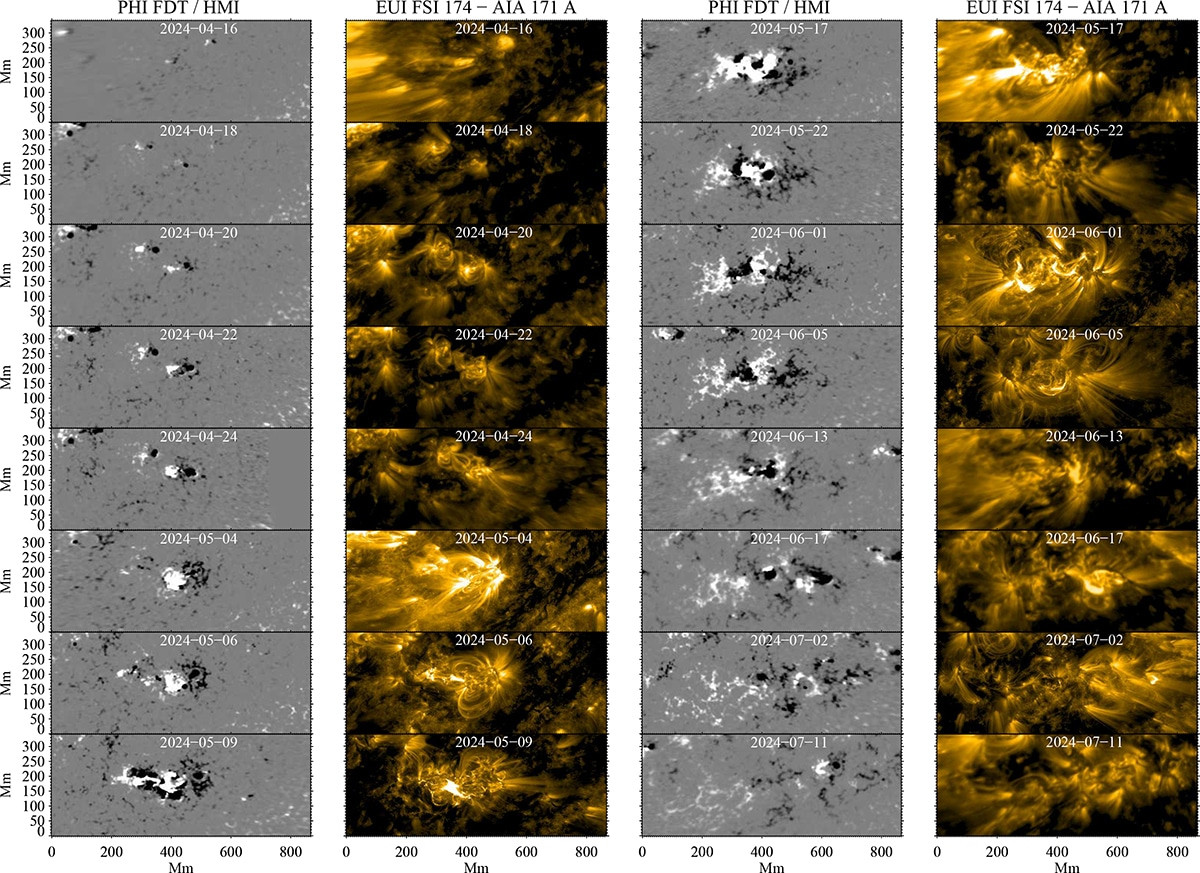
The extraordinary power of this solar region stemmed from its rapidly changing and strong magnetic field. Active regions develop as magnetized plasma emerges and disrupts the Sun’s surface layers. According to Harra:
“When we see a region on the sun with an extremely complex magnetic field, we can assume that there is a large amount of energy there that will have to be released as solar storms.”
The study published in Astronomy & Astrophysics details how NOAA 13664’s magnetic field grew increasingly tangled and unstable over the 94-day period. The strongest flare emerged on May 20, 2024, originating from the Sun's far side—out of Earth's direct sight but captured by the combined spacecraft approach.
While the timing and details of solar eruptions remain difficult to forecast, this rare dataset marks a significant leap forward in understanding the workings of solar weather. As Kontogiannis emphasized:
“We live with this star, so it’s really important we observe it and try to understand how it works and how it affects our environment.”
- Categories:
- News







0 comments
Sign in to Comment