
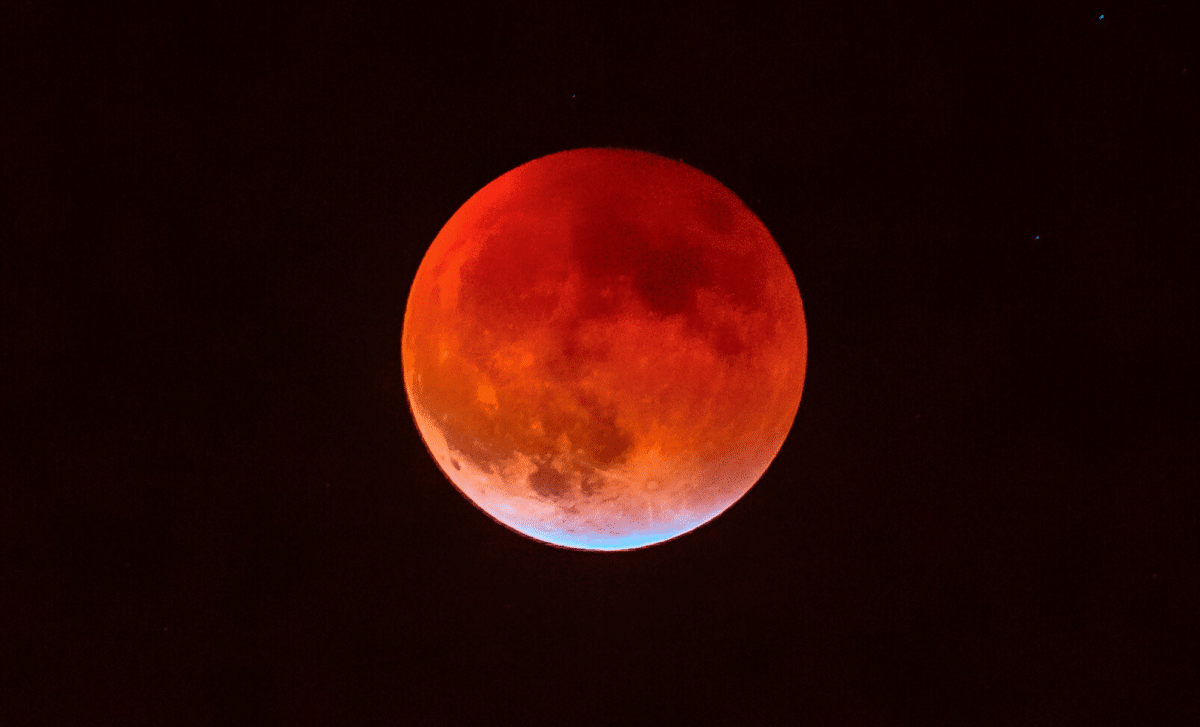
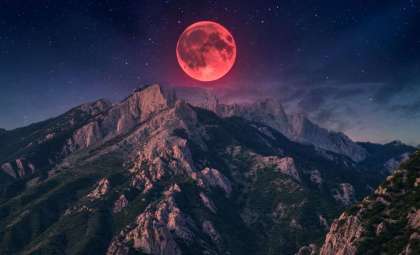
An extraordinary lunar event is on the horizon: a total lunar eclipse that will paint the moon in striking blood-red hues. This captivating spectacle, known as a "blood moon," will be visible over large portions of the United States, providing a breathtaking predawn display. According to TimeandDate, this is much more than an ordinary lunar phase; it offers a spooky red glow that’s easily seen without any specialized tools. Here’s what you need to know to fully experience this celestial wonder.
The Science Behind the Blood Moon Phenomenon
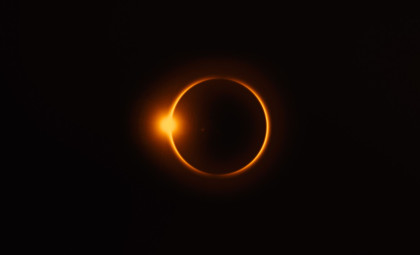
A blood moon occurs when the Earth positions itself directly between the sun and the moon, casting a shadow over the lunar surface. During totality, sunlight still filters through Earth’s atmosphere and is bent towards the moon, but the atmosphere removes much of the blue spectrum light, leaving a glowing reddish-orange hue. This interplay of shadow and red light bestows the moon with its famous blood-red appearance.
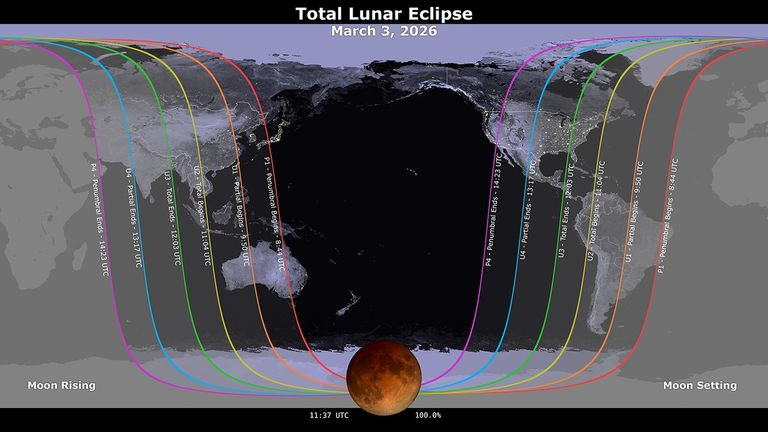
Unlike solar eclipses that demand special glasses, lunar eclipses can be observed safely with the naked eye. The upcoming total lunar eclipse on March 3 is expected to last roughly 58 minutes, providing a generous viewing window. The entire eclipse—from the initial partial shadow to the moon’s emergence from Earth’s shadow—will span over five and a half hours.

Top Locations to Catch the Eclipse
Your vantage point significantly impacts your eclipse experience. The western U.S., especially along the West Coast and Hawaii, will enjoy the best views, where the moon will remain high enough to witness the full red phase of the eclipse.
Further east, the viewing window shortens. In metropolitan areas such as New York and Boston, the moon will begin to set just as totality commences, limiting the full spectacle.
Exact Timings for the Blood Moon Eclipse
Since the lunar eclipse timing varies across time zones, planning ahead is crucial. Per TimeandDate, the eclipse takes place during early morning hours. On the East Coast, peak totality occurs between 6:04 and 7:02 a.m. Eastern Time, though the moon sets before totality concludes. For Central Time zones, the best viewing is from 5:04 to 6:02 a.m., Mountain Time fans from 4:04 to 5:02 a.m., and Pacific Time admirers from 3:04 to 4:02 a.m.. Hawaii and Alaska will see an even earlier eclipse onset.
Setting your alarm to catch these early hours will ensure you don’t miss this dazzling moment.
Why This Blood Moon Eclipse Stands Out
Though lunar eclipses happen relatively regularly, this blood moon is special. It marks the first total lunar eclipse since 2025 and the final one until 2028, creating a sizeable gap between appearances. The next total lunar eclipse won’t grace the skies until New Year's Eve 2028, nearly three years after this event.
The distinctive color and timing of this blood moon’s shadow make it a remarkable event — an awe-inspiring sight that highlights the wonder of our cosmos.
Viewing Tips for the Eclipse
Since lunar eclipses happen at night, no protective eyewear or telescopes are necessary. Enjoying the event with the naked eye is safe, providing an unobstructed view of the moon’s dramatic color shift.
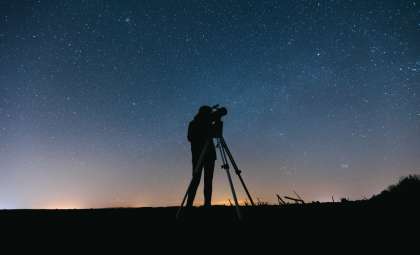
For optimal viewing, pick a dark spot away from city lights, such as an open park or hilltop. Dress warmly, as early morning temperatures could be chilly depending on your location.
How Weather Might Affect Your Eclipse Experience
One significant factor that can influence your viewing is weather. Cloudy skies, particularly across the Midwest and parts of the East Coast, might obstruct your view of the eclipse. Clear nights are critical for the best sighting conditions. Staying updated with local forecasts and considering a travel plan to nearby clearer skies can improve your chances.
Regions like the West Coast and the Southwest typically have clearer nighttime skies, making them prime spots to experience the full eclipse.
- Categories:
- Astronomy


0 comments
Sign in to Comment