
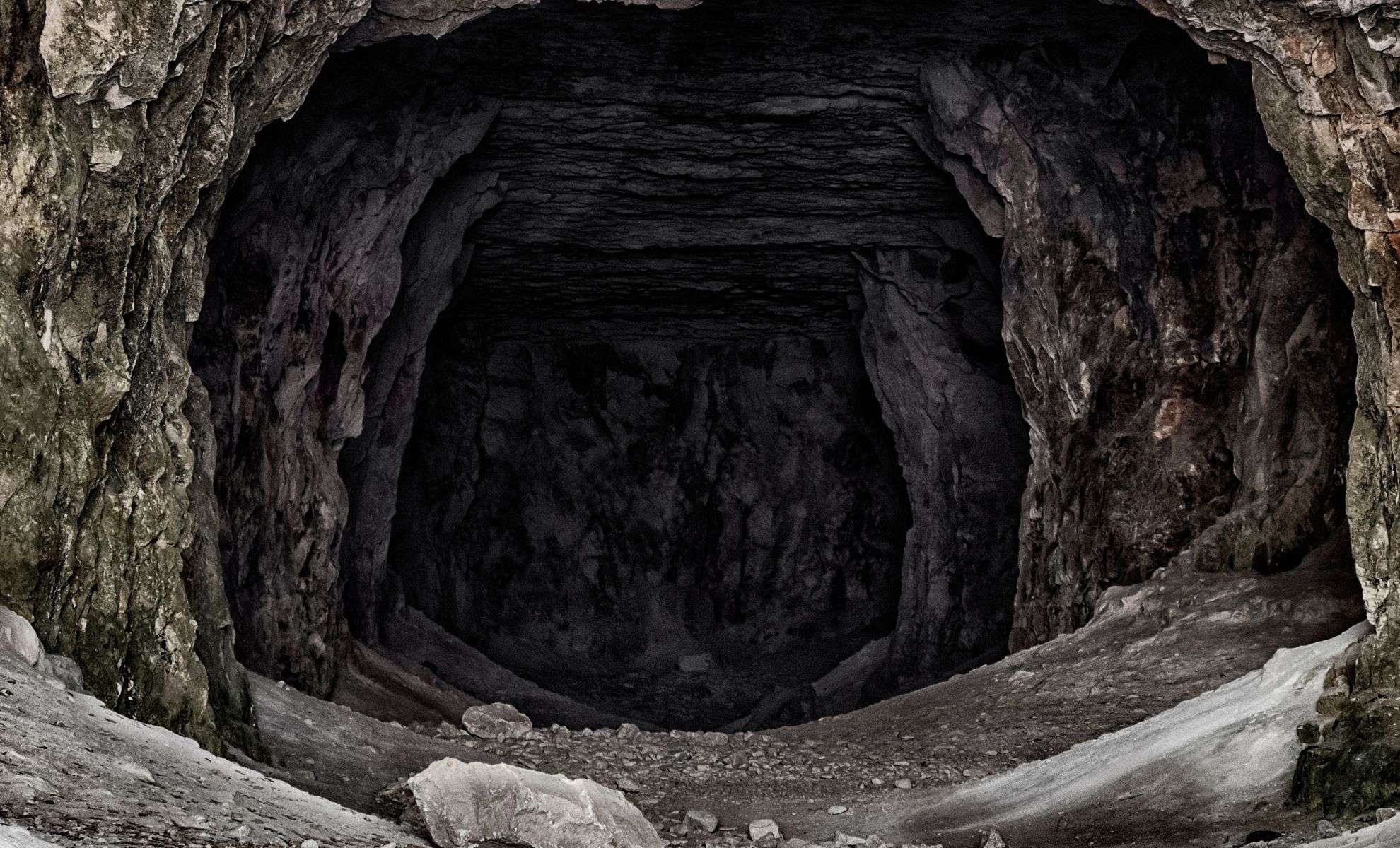
Hidden beneath the streets of Milan for centuries, legendary underground tunnels originally sketched by Leonardo da Vinci in 1495 have now been brought to light beneath the historic Sforza Castle located in the city's center.
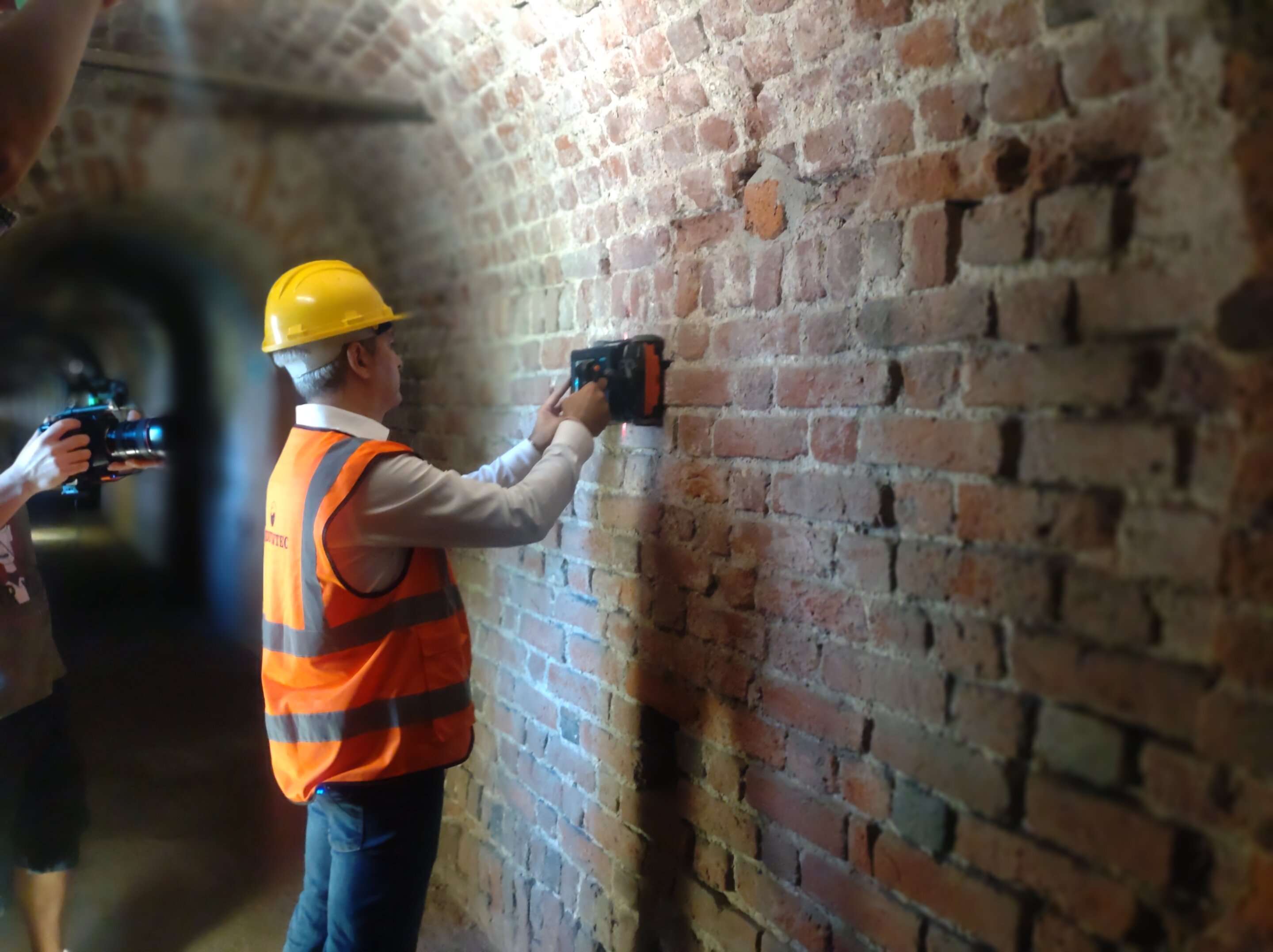
This breakthrough was revealed in a recent study conducted by experts at the Polytechnic University of Milan in partnership with Codevintec Italiana, integrating state-of-the-art digital mapping techniques. Through the use of ground-penetrating radar and 3D imaging, the team has illuminated aspects of da Vinci’s architectural ingenuity that have remained unnoticed for centuries.
Rediscovering Ancient Subterranean Networks Just Below Ground Level
Applying advanced 3D radar, laser scanning, and photogrammetry, researchers meticulously examined the castle’s substructure. Their findings exceeded expectations, revealing numerous concealed chambers, hollows, and a secondary underground tier mere inches beneath the surface. One subterranean corridor seems to mirror an already known passage, while another potentially extends towards a basilica nearly half a mile away.

“The results were far more significant and intriguing than we had anticipated,” said architect Francesca Biolo, who led the scanning effort. “We uncovered rooms on a second underground level and an additional passage running parallel to the known one.”
Leonardo’s Covert Fortification Plans Come to Light
In 1495, Leonardo da Vinci took on a commission from Milan’s Duke, Ludovico Sforza, contributing not only his celebrated frescoes in the Sala delle Asse but also creating schematics depicting a network of defensive tunnels and subterranean passages—long thought to be purely fictional. The new structural evidence aligns strikingly with Leonardo’s detailed drawings.
“These passageways have been the subject of legends and speculation for centuries,” said Franco Guzzetti, geomatics researcher at the university. “But now, thanks to technology, their existence has been confirmed.”
Though it's unclear whether Leonardo personally engineered the tunnels, the congruence between his sketches and the modern scans is compelling.
A Duke’s Grief Potentially Inspiring a Hidden Passageway
The narrative behind these tunnels is intimately human. Following the untimely death of his wife Beatrice d’Este in 1497, Ludovico Sforza is believed to have commissioned a concealed corridor connecting the castle to the Basilica of Santa Maria delle Grazie, Beatrice’s final resting place. Historical documents suggest the duke sought a secluded route to visit her tomb in privacy. If intact, this tunnel would have extended between both sites and could have served as a strategic evacuation path during hostile sieges.
Digital Reconstruction Offers a Window Into Hidden Architecture
The team aims to build a complete digital twin of Sforza Castle—a detailed 3D virtual model encompassing both the visible structures and the newly discovered underground features. This initiative promises future augmented reality experiences and virtual tours that unveil the spaces Leonardo da Vinci once envisioned.
Actual excavation remains prohibited at this stage due to preservation laws and urban limitations. Nevertheless, modern technology is reshaping our understanding of one of Italy’s most iconic landmarks and reawakening da Vinci’s centuries-old designs — painstakingly drawn in 1495 and unearthed over five centuries later.
- Categories:
- News



0 comments
Sign in to Comment