
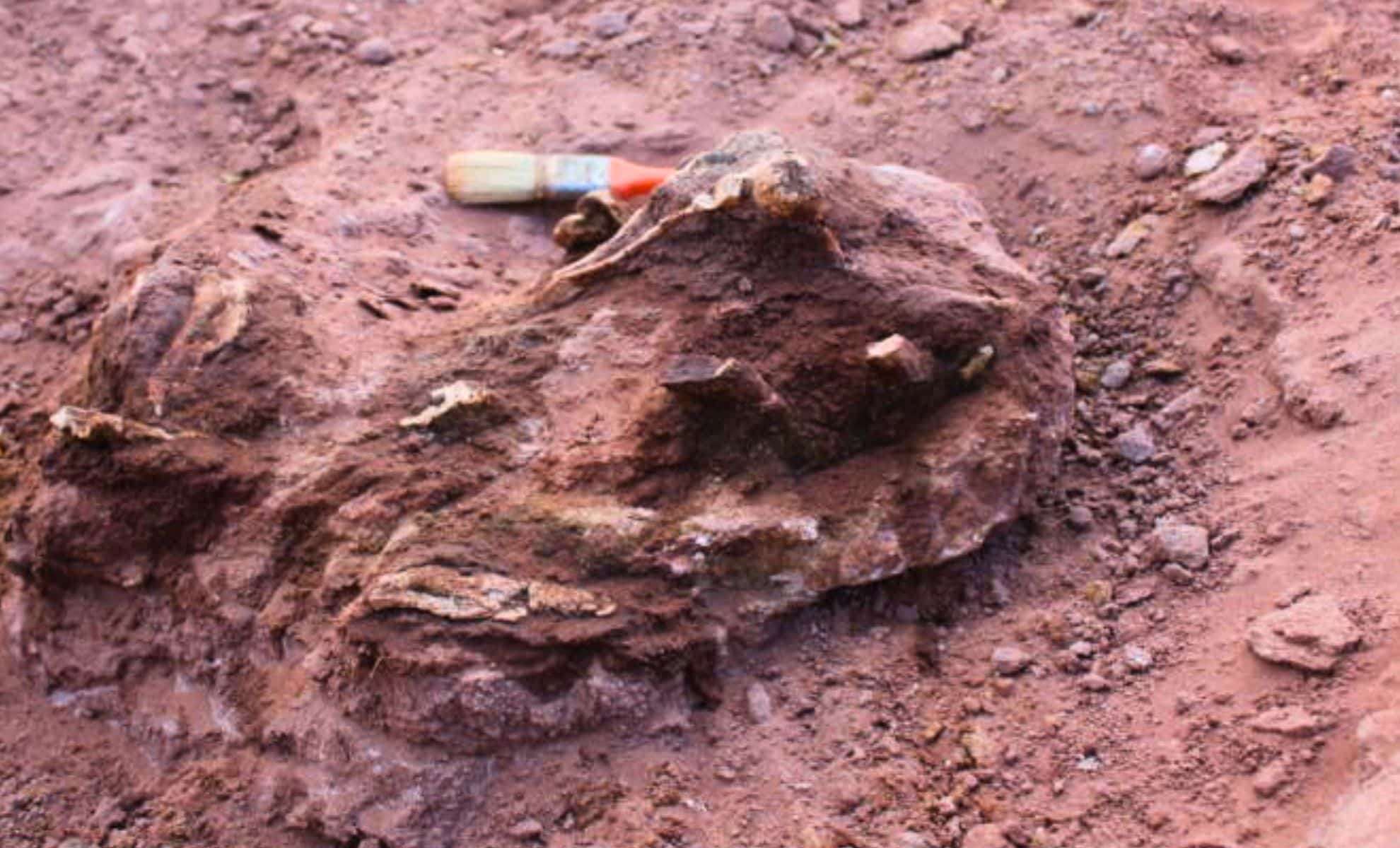
Researchers have unveiled a new dinosaur species, Llukalkan aliocranianus, detailed in the Journal of Vertebrate Paleontology. This carnivorous theropod lived roughly 80 million years ago and belonged to the formidable abelisaurid family. Scientists theorize that besides its intimidating look, this dinosaur may have produced a unique, low-frequency roar, setting it apart from its relatives.
Enhanced Hearing, Unique Sound
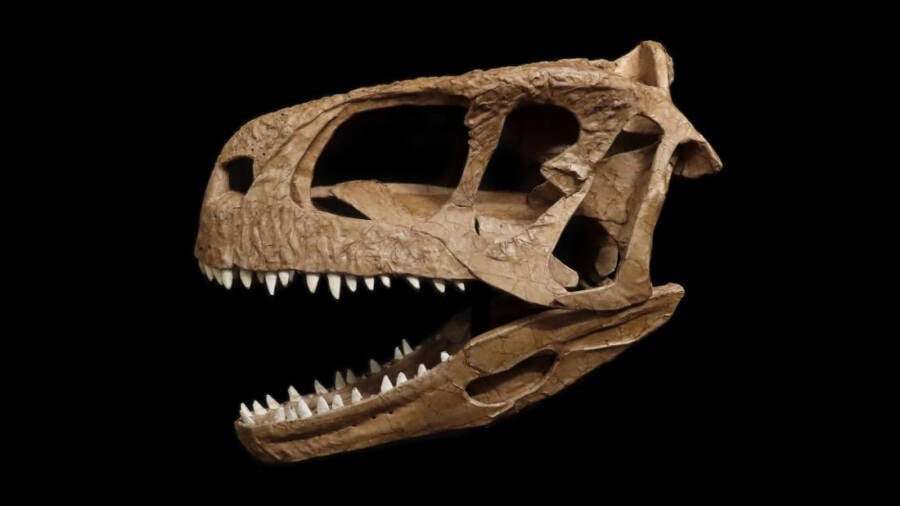
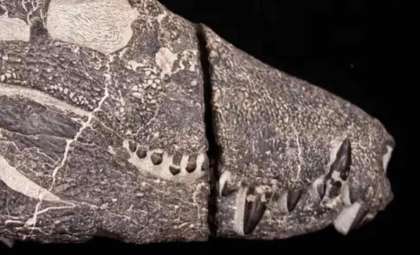
The fossilized skull of Llukalkan exhibits rare cavities near the middle ear, a feature unseen in other abelisaurids. Experts suggest these structures enhanced the dinosaur’s auditory sensitivity and possibly allowed it to produce distinctive vocalizations. This trait inspired its species name aliocranianus, meaning “different skull.” The genus name Llukalkan, from the Mapuche language, translates to “the one who causes fear,” highlighting both its anatomical distinctiveness and its menacing nature.
Scientists are intrigued by the possibility that this dinosaur’s deep, resonant calls served various functions—whether to deter rivals, attract mates, or maintain communication across its habitat. This auditory adaptation might have provided a critical edge in a region teeming with large predators.

Patagonia’s Diverse Dinosaur Realm
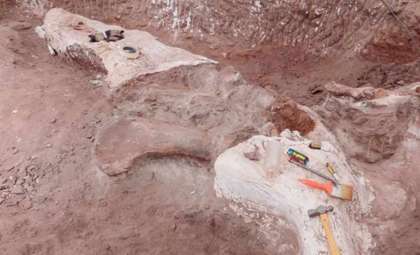
The fossil was uncovered in a rich paleontological site in Patagonia, known for its impressive array of dinosaur species. During the late Cretaceous, this area hosted massive herbivores, armored dinosaurs, and several apex hunters. Llukalkan coexisted with another abelisaurid, Viavenator exxoni, indicating that multiple large carnivores from the same family thrived together in this environment.
“This discovery underscores the remarkable diversity and abundance of abelisaurids not only across Patagonia but also within localized ecosystems during the late dinosaur era,” stated the research team.
Distinctive Features of Llukalkan
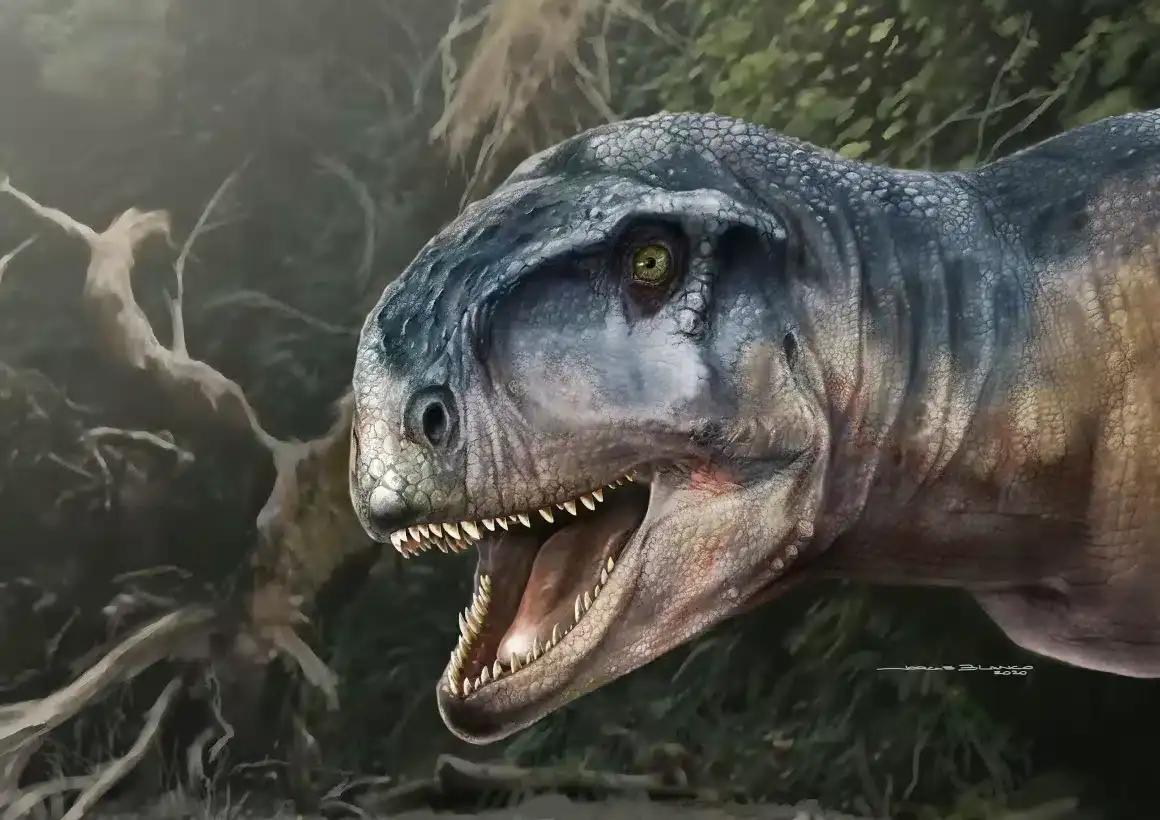
While abelisaurids share physical similarities with Tyrannosaurus rex—such as robust builds, short forelimbs, and powerful bites—Llukalkan stands out. Its acute hearing and probable capacity for deep vocalizations may have enhanced its ability to locate prey or communicate with its peers. Researchers consider it among the top predators in prehistoric South America, coexisting with other formidable meat-eaters.
This finding opens intriguing avenues about the role of sound in dinosaur behavior. In the challenging ecosystems of ancient Patagonia, the impressive roar of Llukalkan might have been one of the most formidable sounds heard during the Cretaceous period.
- Categories:
- News







0 comments
Sign in to Comment