
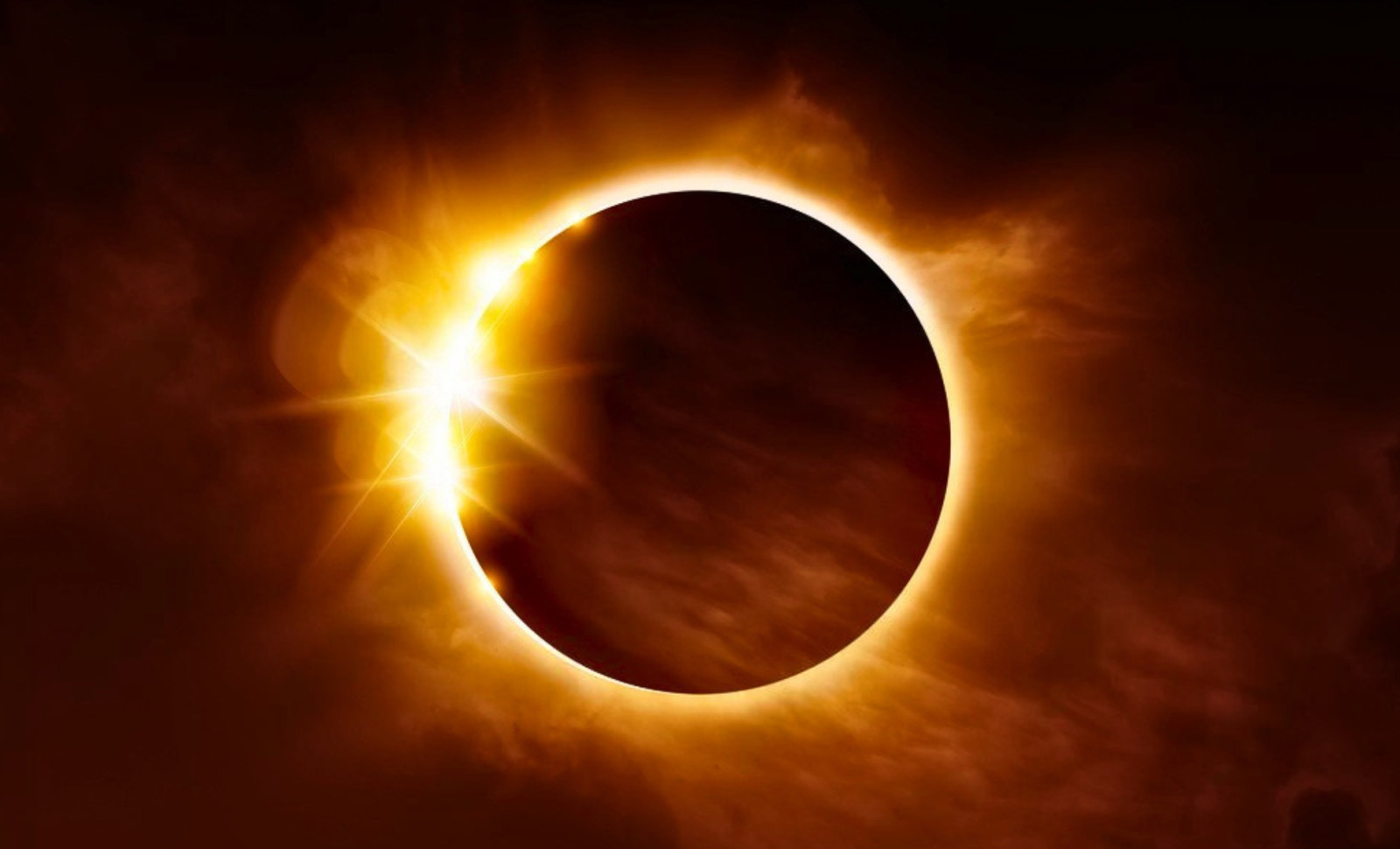
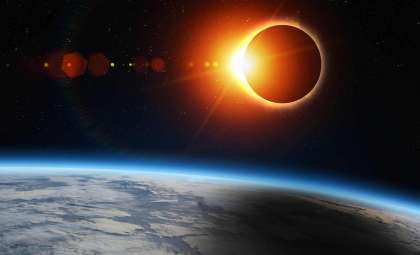
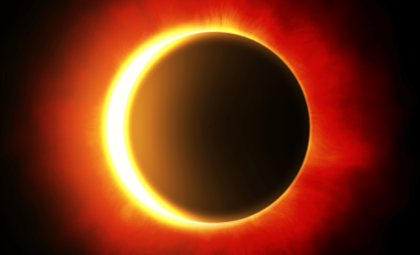
This August morning will bring a stunning cosmic spectacle as the Sun seemingly disappears from the sky. Stretching from the Straits of Gibraltar all the way to the Arabian Peninsula, the Moon will glide into perfect alignment, completely blocking the solar disk and turning midday into an eerie twilight. Everyone within this slender path will witness one of the century’s most extraordinary eclipses.
This event, the total solar eclipse occurring on August 2, 2027, is verified by NASA as the longest total eclipse of the 21st century. According to measurements from the agency’s Goddard Space Flight Center, the maximum duration of totality will reach 6 minutes and 23 seconds—a feat unmatched by any other solar eclipse in this century.
The previous time observers on land experienced such an extended totality was in 1991. NASA’s forecast places the next eclipse with a similarly lengthy duration in 2114, making the 2027 event an exceptional combination of timing and location.

The reason for this unusually long eclipse is straightforward. The Moon will be at perigee, its closest point to Earth, appearing large enough to fully cover the Sun for an extended period. Additionally, the location of the greatest eclipse features the Sun almost directly overhead, which prolongs the shadow’s passage across the Earth’s surface.
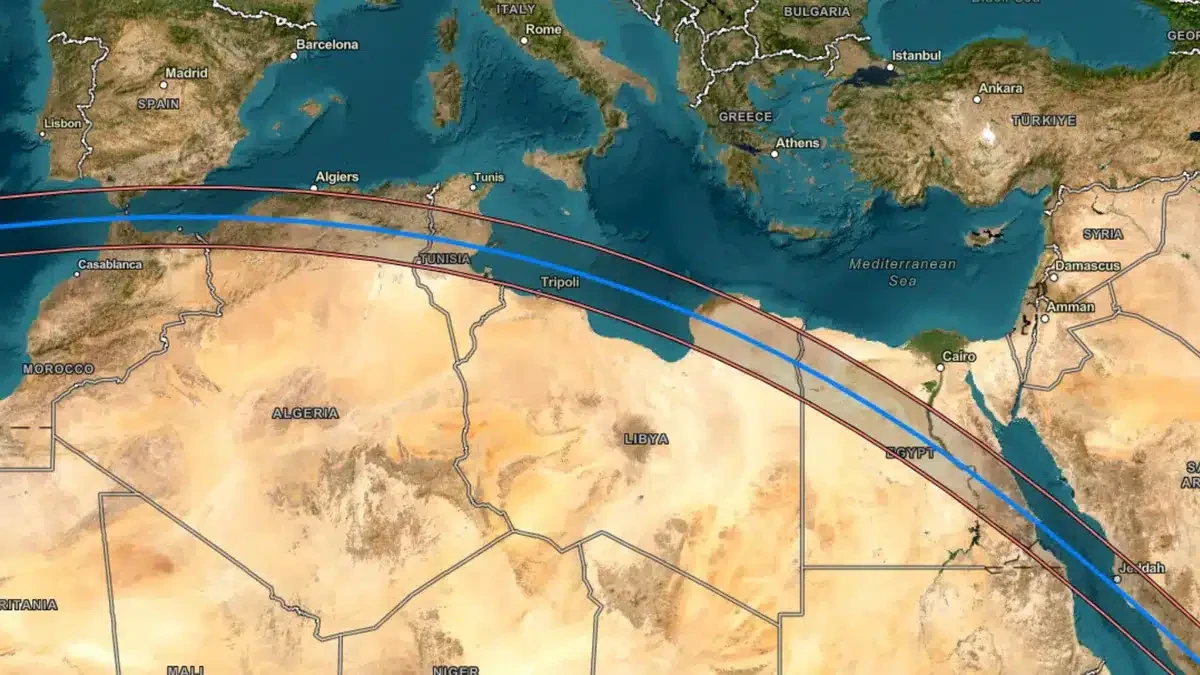
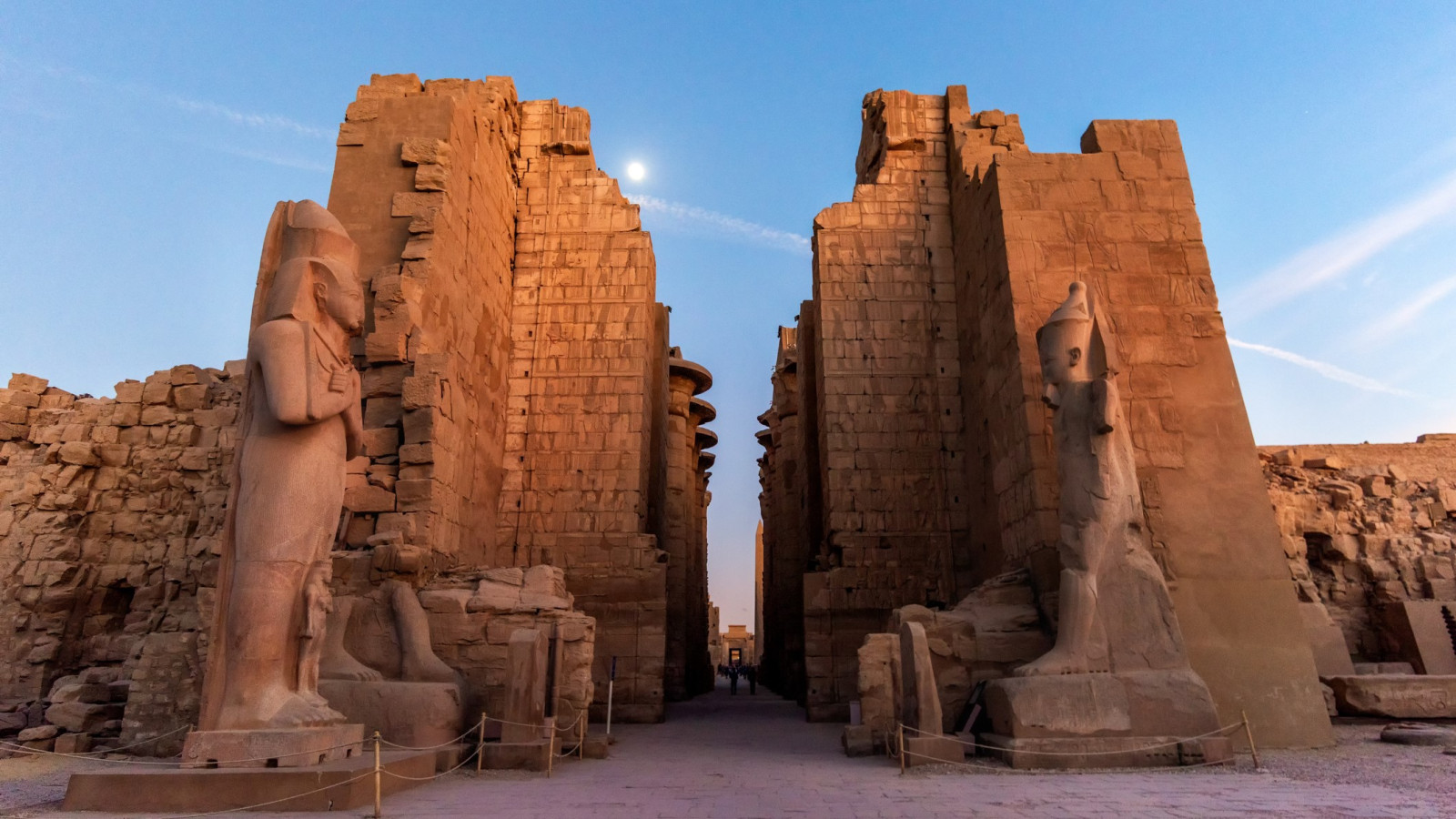
This prime viewing zone cuts through North Africa. The central line crosses southern Spain, northern Morocco, Algeria, Tunisia, Libya, and Egypt, extending into Saudi Arabia and Yemen. Eclipse durations increase moving eastward: Tarifa in southern Spain experiences 4 minutes and 39 seconds, Tangier just across the Strait gets 4 minutes and 50 seconds, Benghazi, Libya sees 6 minutes and 7 seconds, Luxor, Egypt boasts 6 minutes and 19 seconds, and along the Red Sea coast, it peaks at 6 minutes and 20 seconds—just a few seconds shy of the predicted maximum.
What Makes This Eclipse Meteorologically Exceptional
Besides duration, sky conditions elevate this eclipse’s appeal. Though August in North Africa is characterized by intense heat, the region is renowned for its clear skies during this period, promising excellent visibility along the longest totality path.
Jay Anderson, a Canadian meteorologist specializing in eclipse weather analysis for Eclipsophile, informed Space.com that eastern Libya and western Egypt are predicted to have “no chance of cloud.” Luxor’s August average cloud cover is a mere 0.7 percent. At worst, observers might catch thin cirrus clouds high in the atmosphere.
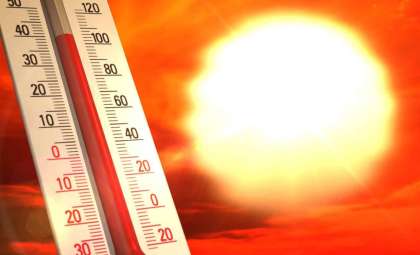
Dust might present visibility challenges instead of clouds. Anderson pointed out a balancing factor: the dry desert air responsible for midday temperatures around 43°C will cool rapidly once the solar light disappears. “The temperature will probably drop like a stone when the eclipse happens,” he said.
However, this favorable clarity is not consistent along the entire path. Near the Straits of Gibraltar, where many cruise ships and tour groups plan to view the eclipse, average August cloudiness reaches roughly 30 percent. Moisture funneled by regional low-pressure systems often clouds this part of the route.
A Highly Populated Viewing Corridor
Significantly, the route crosses densely inhabited regions. Timeanddate.com estimates around 88.9 million people reside within the totality zone—over three times the population caught under the lunar shadow during the April 2024 North American eclipse.

The eclipse timing varies by location. In Luxor, totality will occur at 1:02 p.m. local time with the Sun standing 82 degrees above the horizon. In Jeddah, the event begins at 1:22 p.m., while Tarifa experiences it earlier at 10:45 a.m. with the Sun lower in the eastern sky.
Partial Eclipse Viewable Across Three Continents
Beyond the central path, a substantial partial eclipse stretches across vast parts of Africa, Europe, and the Middle East. Lisbon will witness 93% coverage of the Sun, Madrid 86%, Paris 52%, London 42%, and Berlin 34%.
In Cairo, just outside the totality band, 95% of the solar disk will be obscured. Cities like Algiers and Tripoli will experience near-total obscuration (99.9%) without full eclipse. Most locations will see the partial phases last beyond two hours.
Visual Wonders During the Peak Darkness
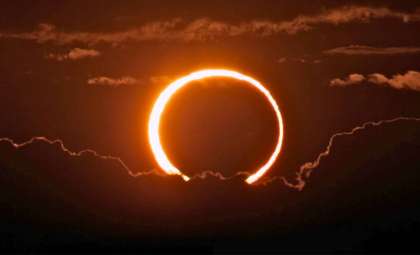
Approaching totality, observers will first notice Baily’s Beads—a string of bright points where sunlight shines through lunar valleys. This is swiftly followed by the diamond ring effect, a single brilliant flash signaling the moment before the Sun's corona becomes visible.
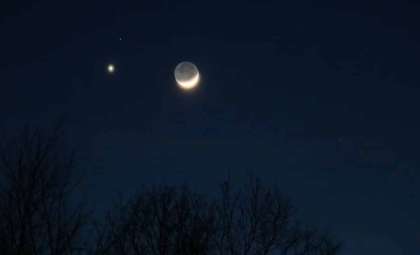
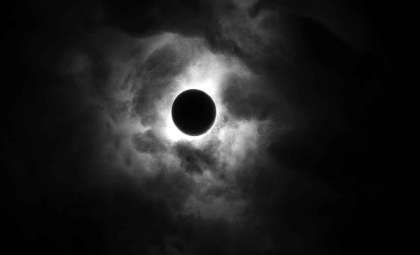
With the Sun fully hidden, its corona appears as a shimmering halo. The sky will darken enough to reveal brighter stars and planets, while the temperature drop in the desert air may feel sudden and disorienting.
Essential Safety Precautions for Solar Viewing
Viewing the eclipse safely is critical. Only during totality is it safe to look directly at the Sun without protection. During all other phases, correctly certified solar viewing glasses must be worn to avoid retinal damage, which occurs without pain or warning.
NASA highlights that the interactive map for the August 2, 2027 total solar eclipse does not yet factor in lunar mountains and valleys, which can slightly alter predicted durations by a few seconds. Updated details are typically released 12 to 18 months ahead of the eclipse.
A subsequent total solar eclipse occurs July 22, 2028, visible in locations such as Christmas Island, the Cocos Islands, parts of Australia, and New Zealand, but it will be shorter in duration. The 2027 eclipse remains unmatched in length, sky clarity, and the massive number of people positioned to witness the Sun disappear.
- Categories:
- News



0 comments
Sign in to Comment