
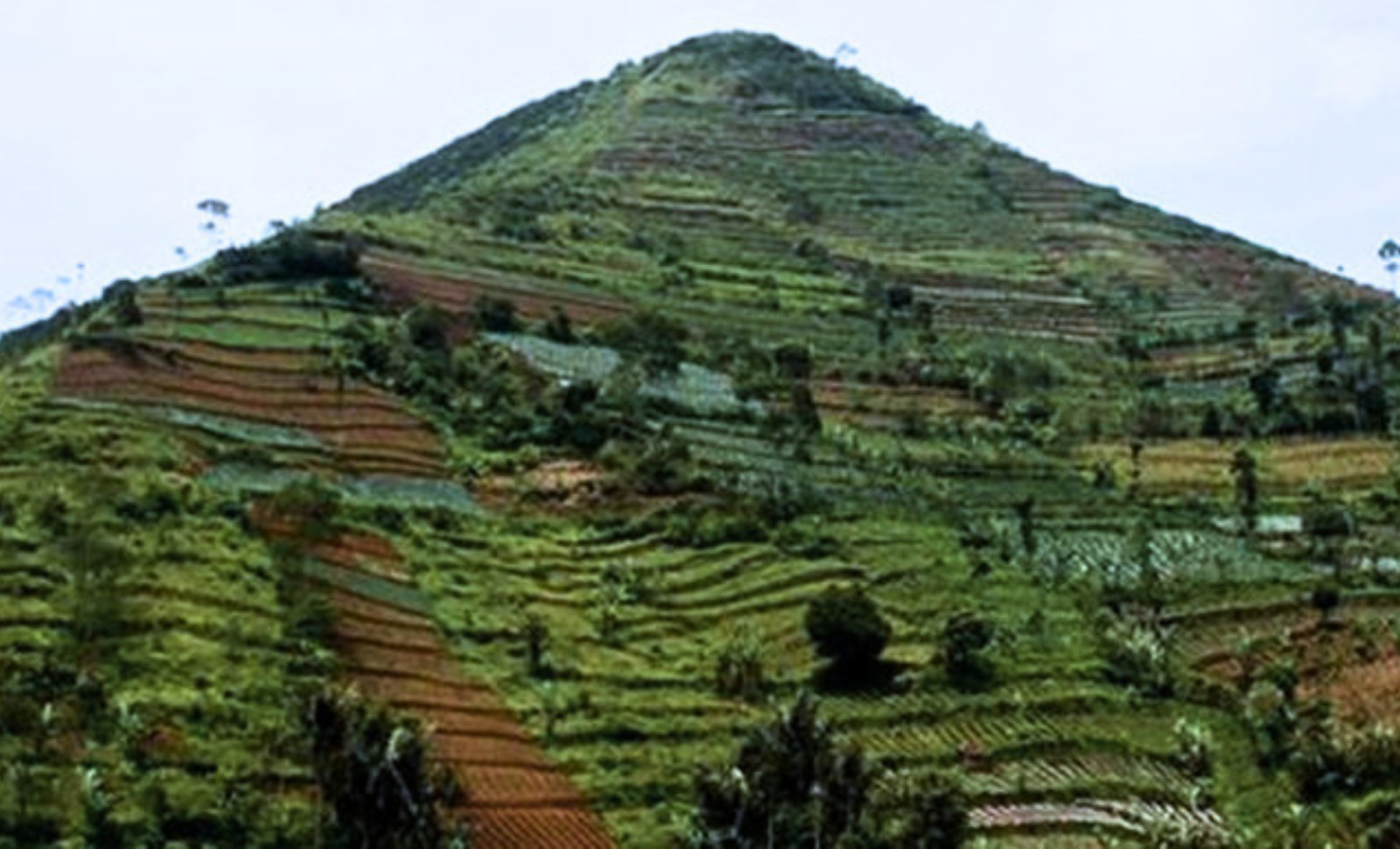
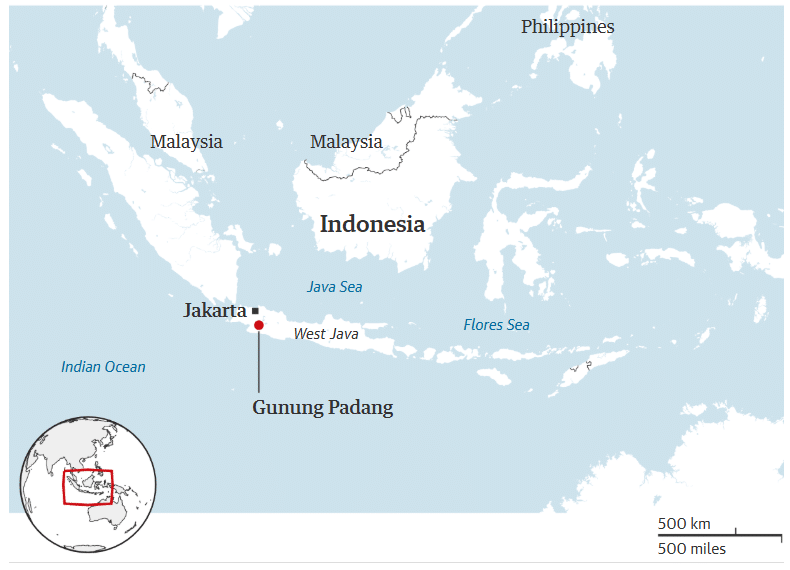
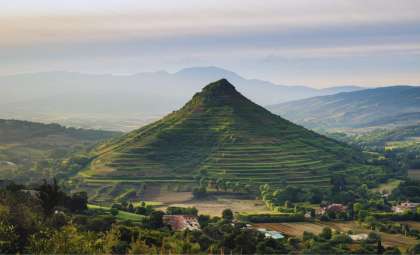
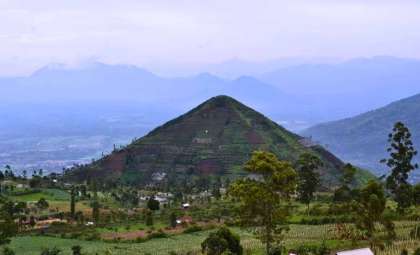
Perched nearly 3,000 feet above sea level in West Java, Indonesia, Gunung Padang features stone terraces cloaked in moss ascending a volcanic hill. Revered as a sacred site, it offers a panoramic view of nearby volcanoes, with five prominent terraces visible.
In 2023, the site grabbed worldwide attention following a bold claim published in Archaeological Prospection. Researchers suggested that beneath Gunung Padang’s terraces lies a pyramid-like formation predating Egypt’s pyramids, potentially dating back some 25,000 years. This, if true, would place monumental construction far earlier than the advent of agriculture and settled civilizations.
Unveiling the Structure Hidden Below
Geologist Danny Hilman Natawidjaja, working with Indonesia’s national research and innovation agency, led the investigation. Employing techniques like ground-penetrating radar, seismic tomography, soil drilling, trench excavations, and radiocarbon dating of organic soil samples, his team explored the subterranean layers beneath the visible terraces.

The research described a complex, multi-tiered structure. They proposed the core consisted of dense andesite lava that may have originally formed a natural volcanic hill, which was later modified and enveloped by human construction. Remarkably, they posited that this earliest phase might trace back to the last glacial epoch.
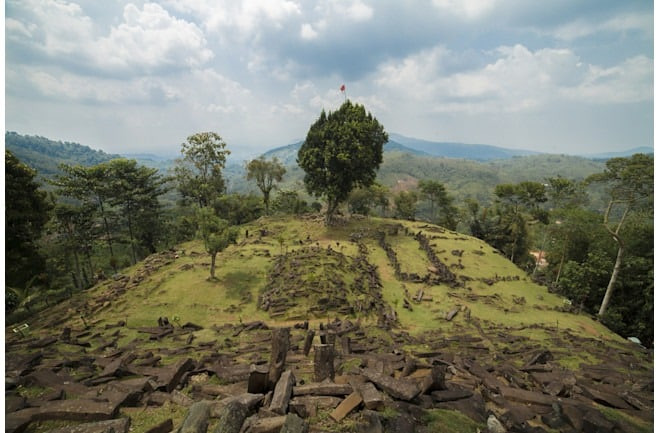
This suggestion sparked significant debate. If human hands had sculpted Gunung Padang 25,000 years ago, it would dramatically extend the known timeline for monumental construction and imply that sophisticated stone masonry existed well before agricultural societies formed. The claim attracted intrigue from enthusiasts fascinated by ancient cultures and alternative historical theories.
Archaeological Skepticism Emerges
While the site's importance is undisputed, many archaeologists question whether the underlying layers truly represent human construction.
Though radiocarbon dating can determine the age of organic matter, it doesn’t confirm the timing of monument creation. Soil deposits predating a structure are common, and critics note that the dated soil lacked clear signs of human presence, such as charcoal, tool remnants, bones, or other artifacts.
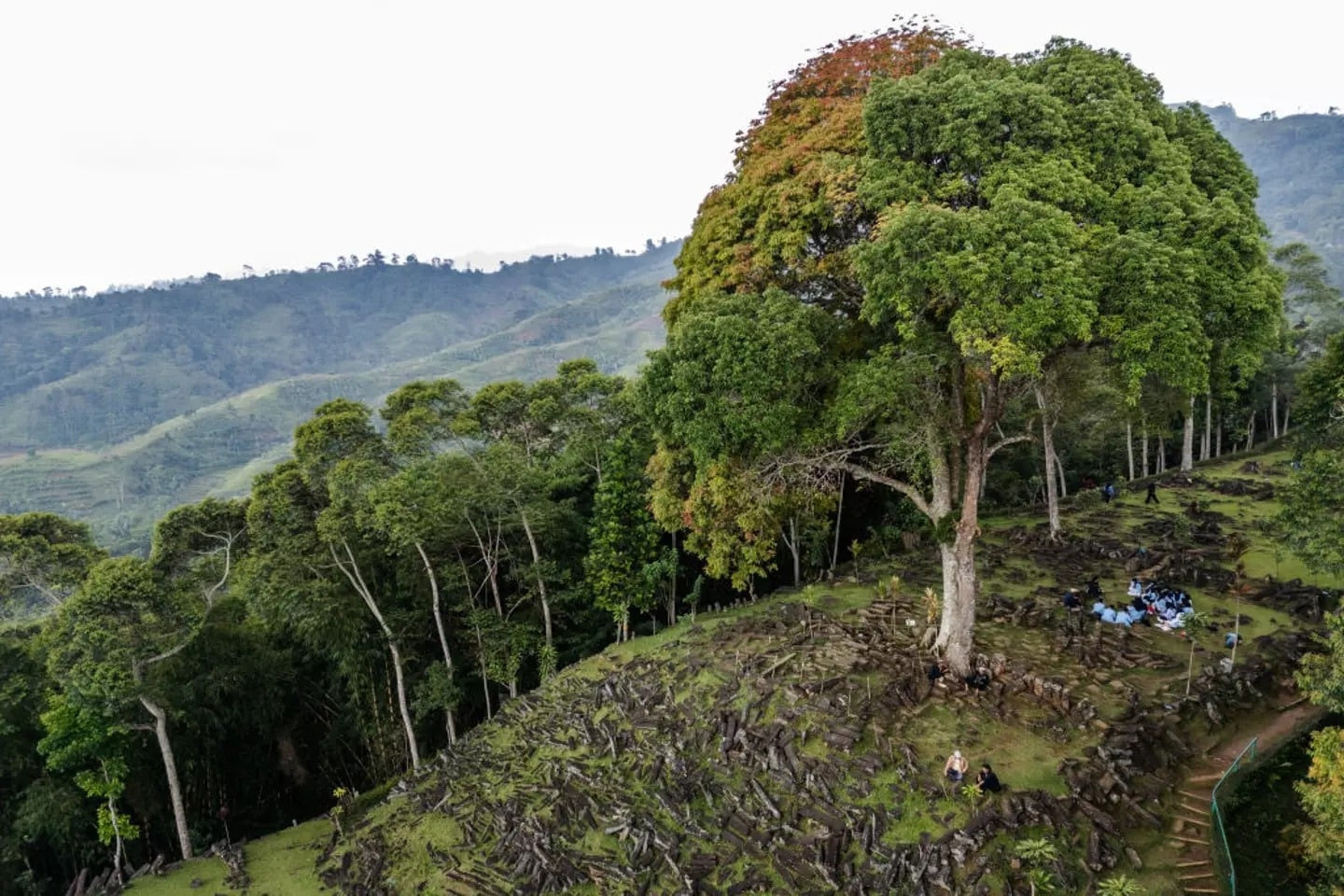
Flint Dibble, archaeologist at Cardiff University, told The Guardian that the evidence was insufficient to support the claim of an ancient man-made structure. He cautioned that natural processes on volcanic slopes can cause sediments to arrange in a way that appears artificial.
Similarly, Bill Farley, archaeologist at Southern Connecticut State University, emphasized that ancient soil doesn't equal ancient architecture. Demonstrating construction usually requires definitive proof of human activity, occupancy, or craftsmanship — criteria the study did not convincingly meet.
The Paper’s Retraction Shifts Perspectives
Debate culminated in February 2024 when the publishing journal withdrew the paper, citing flaws in methodology and insufficient evidence supporting an anthropogenic origin of the underground layers.
Despite this, Natawidjaja continues to advocate for further research and has invited international scholars to participate in ongoing investigations, portraying Gunung Padang as a site still ripe for scientific exploration.
Part of the controversy also involved British writer Graham Hancock, known for alternative histories of lost Ice Age civilizations. Though not listed as a co-author, Hancock was acknowledged as a proofreader of the original paper, raising concerns among archaeologists skeptical of the findings.
Existing Oldest Pyramid Records Remain Intact
This claim challenges the conventional timeline of ancient sites. Göbekli Tepe in Turkey is considered among the earliest monumental complexes linked to the Neolithic era. The suggestion that Gunung Padang could predate it by a large margin provoked much interest.
Despite this, the recognized oldest pyramids have not shifted location. According to Guinness World Records, the Caral pyramids in Peru and Egypt’s Djoser Step Pyramid hold the status for the earliest known pyramids, dating back to roughly 2700–2600 BCE. Gunung Padang remains only a debated candidate, pending stronger proof and scholarly consensus.
The Step Pyramid of Djoser still anchors the accepted history of pyramid construction. Britannica describes it as Egypt’s oldest key stone monument, designed by Imhotep for Pharaoh Djoser during the 26th century BCE, featuring six stepped layers over the Saqqara necropolis.
Gunung Padang retains undeniable archaeological and cultural significance. Indonesia’s cultural heritage framework protects the site, and its terraces remain a notable part of West Java’s ancient landscape. However, the extraordinary claim of Gunung Padang being the world’s oldest pyramid from 25,000 years ago remains unsubstantiated.
- Categories:
- Science






0 comments
Sign in to Comment