
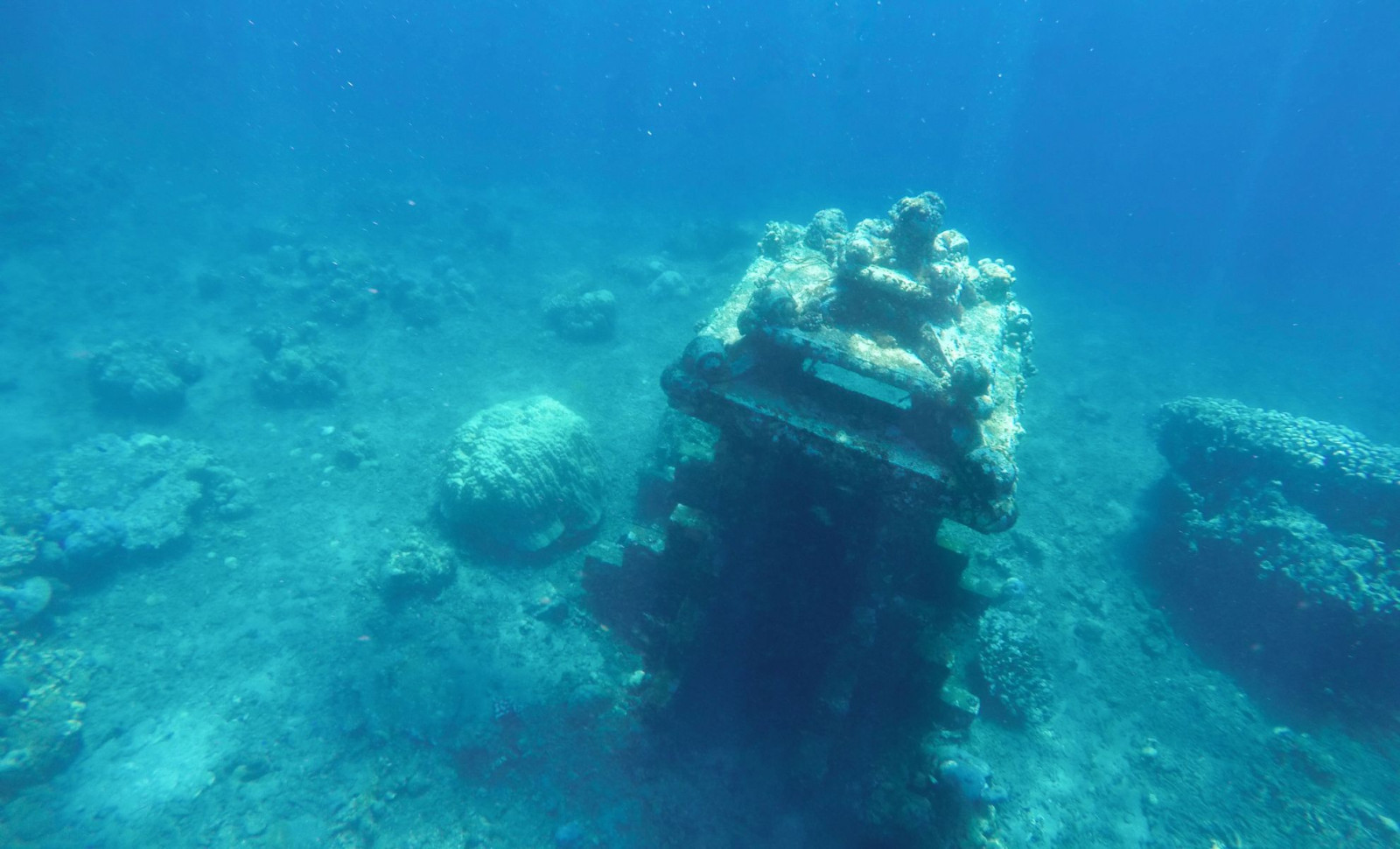
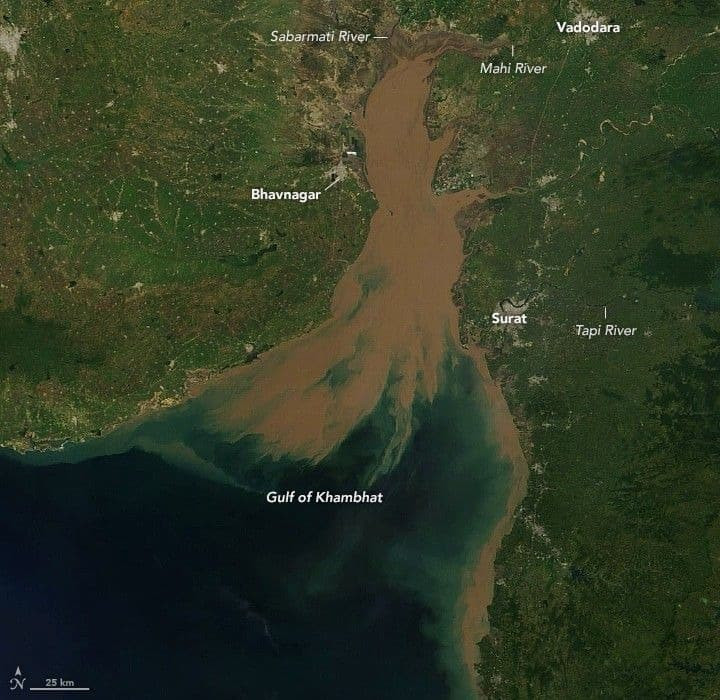
A submerged, expansive city beneath the waters off India’s western coast is reigniting interest in the possibility of a forgotten ancient civilization. First uncovered over twenty years ago, this site has sparked debate, with some experts viewing it as remains of a significant historical settlement, while others remain skeptical.
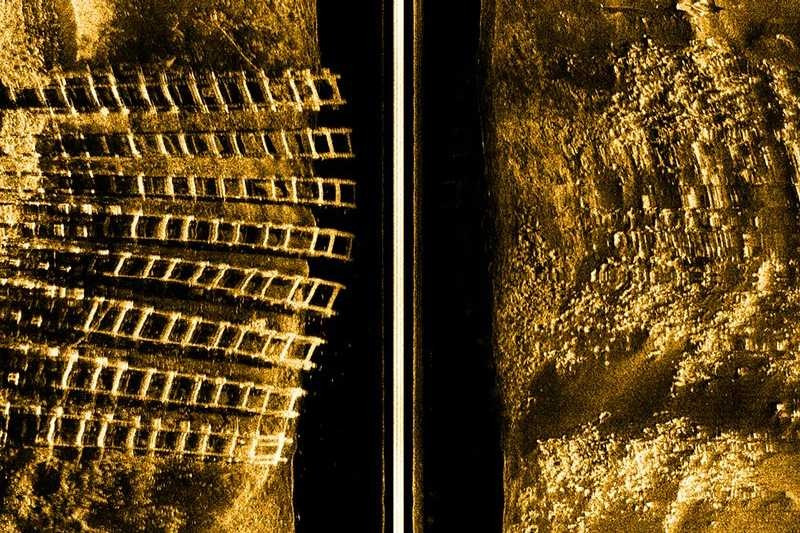
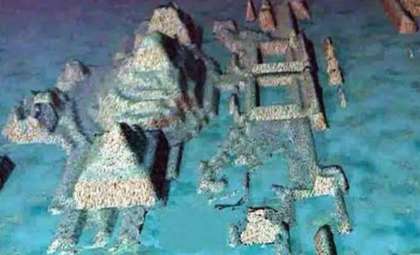
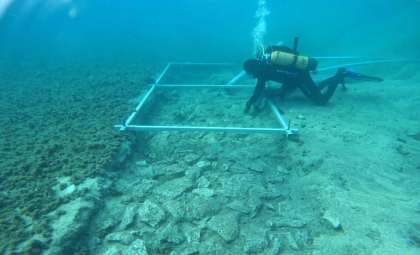
Located approximately 36 meters below sea level, the site was detected in December 2000 during routine environmental assessments conducted by the National Institute of Ocean Technology (NIOT). Sonar imaging revealed distinct geometric configurations that suggest construction by humans.
If validated as a man-made settlement, this underwater site could alter our understanding of ancient cultures predating the Indus Valley Civilization, also called the Harappan Civilization. However, the underwater conditions pose considerable challenges to interpretation.

Sonar Reveals Precise Geometric Patterns Underwater
Survey data showed features stretching about 8 km long and 3 km wide, with interpretations of grid-like layouts and substantial rectangular segments. As noted in the 2002 BBC News article, recovered objects from the area include pottery shards, beads, sculptures, wall fragments, and human remains.
One key piece of evidence is a wooden fragment carbon-dated to roughly 9,500 years ago, which some researchers use to argue for the existence of an ancient culture far earlier than previously recognized civilizations.
Geologist Badrinaryan Badrinaryan, involved with the NIOT, proposed that the findings point to an advanced society thriving at the close of the last Ice Age, potentially submerged due to rising sea levels.
“For decades archaeologists have argued about the origins of the mysterious ‘Harappan’ (Indus Valley) civilisation that flourished across what is now Pakistan and northwest India from about 3000 BC.”
According to Futura-Sciences, researchers observed long, straight alignments extending across several kilometers, which some have interpreted as ancient roads or foundations of buildings. Yet, the significant depth and sediment accumulation make visual verification difficult.
“The [oceanographers] found that they were dealing with two large blocks of apparently man made structures,” explained Graham Hancock, British journalist and author, best known for his pseudoscientific theories that challenge mainstream archaeology.
Uncovered Items Continue to Spark Controversy
Despite the discoveries, many specialists remain unconvinced. As highlighted in Frontline, scholar Iravatham Mahadevan acknowledged that some sonar-detected formations are difficult to explain solely by natural phenomena.
He emphasized the possibility that strong tidal movements might have shifted artifacts recovered from the undersea city, complicating their origin tracing. The frequent shifting of sand in this area can also change the positioning and shape of discovered materials.
Asko Parpola, a researcher at the University of Helsinki, voiced skepticism regarding the dating methods, questioning:
“Can radio carbon dating (that is used in this case) and thermoluminescence (that is to be used for pottery found at the site) give reliable dating for ancient periods?” He added : “I have seen some interesting materials that seem to occur only in this place; not in the surrounding areas. But the problem with this site is that there is very heavy tidal influence and the sands are shifting all the time. So when we find flat objects here it seems to me perfectly possible that this flattening is done by sand activity – erosion by the sand.”
Specialists Express Reservations Regarding Conclusions
Due to challenging underwater conditions, in-depth study of the site has proven difficult. The absence of well-preserved structures, such as intact walls or inscriptions found in situ, has led many experts to hesitate before labeling it a lost city. As noted by Justin Morris, quoted in Indy100:
“Culturally speaking, in that part of the world there were no civilisations prior to about 2,500 BC. What’s happening before then mainly consisted of small, village settlements.”
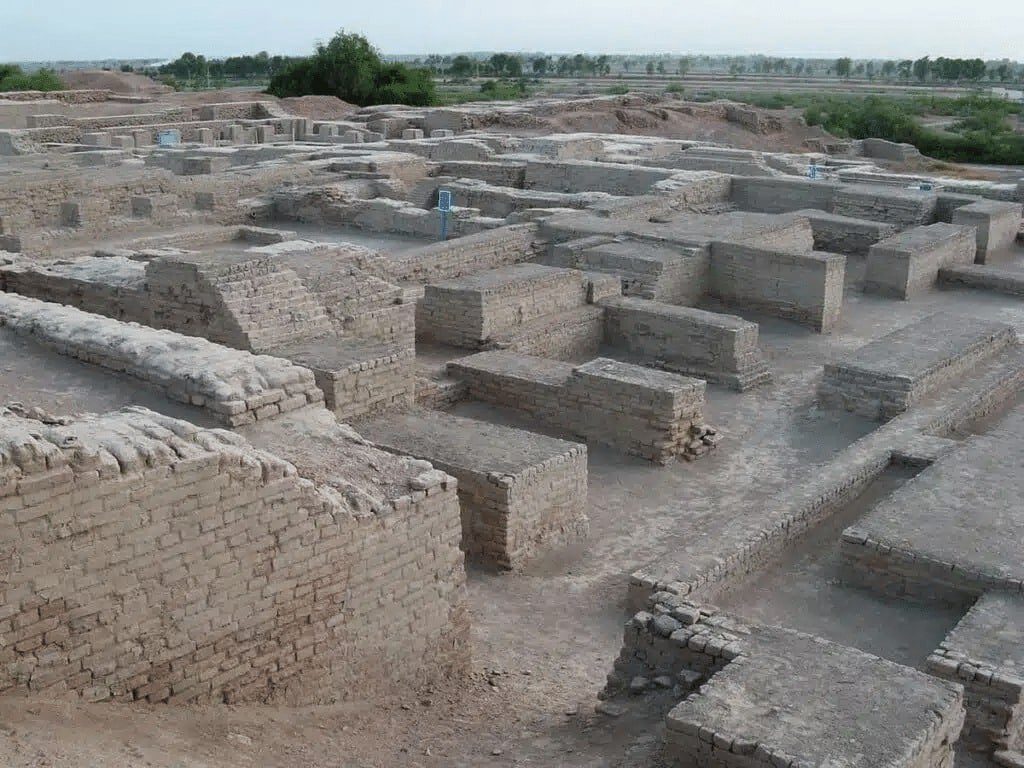
The enigma endures, balancing fascinating hints against persistent skepticism, as experts continue to investigate the underwater landscape beneath the Arabian Sea.
“We have to find out what happened then … where and how this civilisation vanished,” stated, Murli Manohar Joshi, the Indian Minister for Human Resources and Ocean Development.
- Categories:
- News




0 comments
Sign in to Comment