
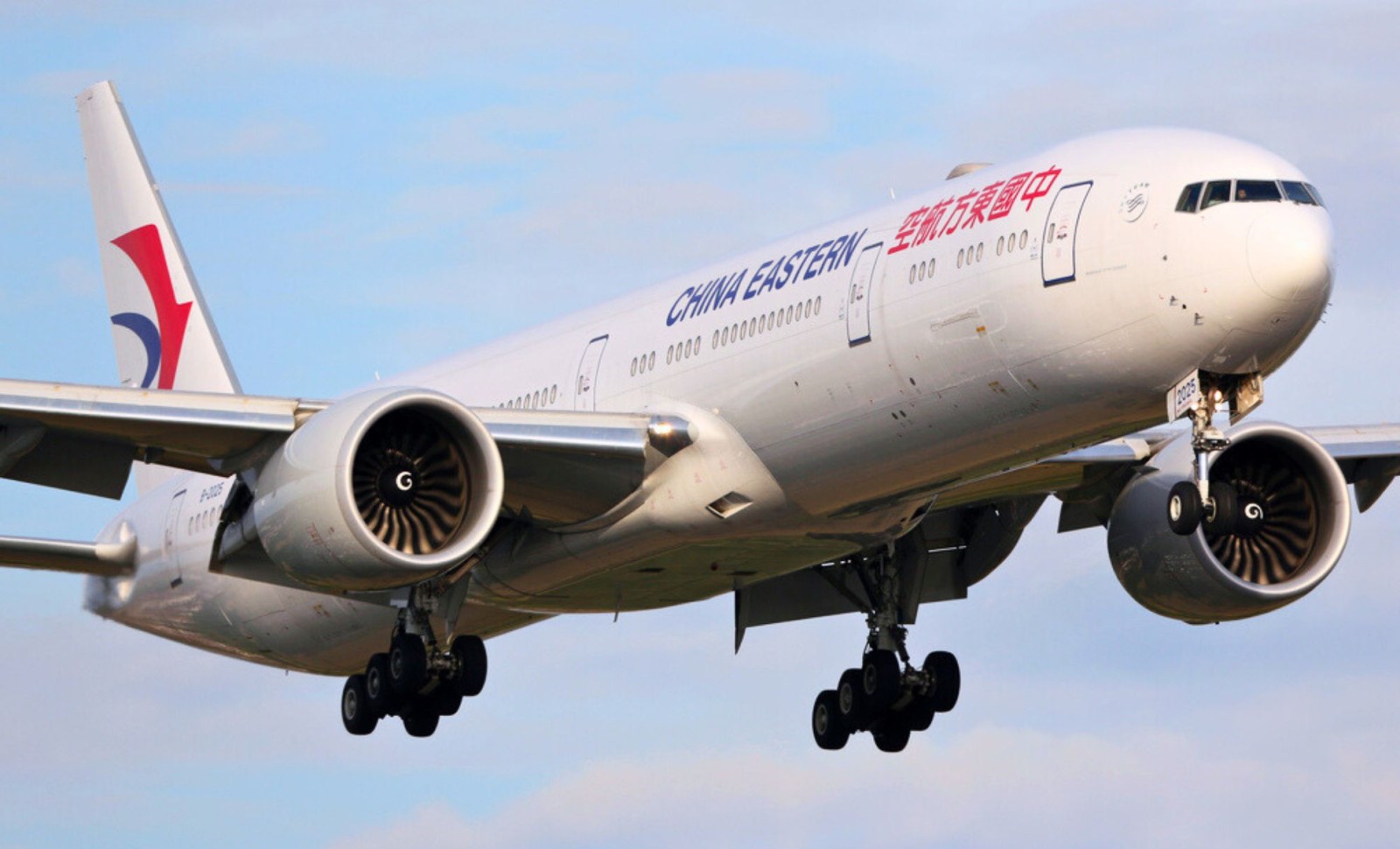
China Eastern Airlines has launched the longest scheduled commercial flight ever recorded—a 29-hour voyage linking Buenos Aires with Shanghai, pushing the boundaries of current aviation capabilities and strategy.
Starting operations on December 4, this route covers almost 20,000 kilometers, with a brief refueling stopover in Auckland, New Zealand. The outbound journey from Shanghai lasts roughly 25 hours and 55 minutes, while the return trip extends to a full 29 hours. This is more than a test of stamina—it's a strategic initiative to enhance global air connectivity and strengthen China's aviation footprint across distant continents.
The airline offers this ultra long-haul flight twice weekly, departing Shanghai Pudong at 2:00 a.m. on Mondays and Thursdays, with return legs from Buenos Aires at the same hour on Tuesdays and Fridays. The service is operated with Boeing 777 jets, ideal for long-range travel, creating a unique direct air link between two cities nearly at opposite ends of the globe.

Strategic Air Route Bridging Two Hemispheres
Few city pairs sit as far apart as Shanghai and Buenos Aires. This new flight connects these distant points seamlessly, circumventing traditional layovers in hubs such as New York, Los Angeles, or Madrid. The routing is deliberate and carefully planned.
Recent visa waiver agreements between China and Argentina have eased travel limitations, fostering better business and diplomatic relations. Argentina plays a significant role in China's supply chain, supplying vital commodities like lithium, soybeans, and beef. Direct air access to such key resources supports growing global demand for electric vehicles and battery materials, making this flight route a tactically valuable addition.
In its official press release, China Eastern described the service as an “airborne Silk Road,” highlighting Beijing’s goal to deepen connections with Latin America via trade, infrastructure projects, and direct transport links.
Flight timetable for Shanghai Pudong – Buenos Aires:
Breaking Long-Haul Flight Records and Redefining Limits
Previously, Singapore Airlines held the record for the longest nonstop flight with its Singapore to New York JFK route, spanning more than 15,000 kilometers in less than 19 hours. While that record remains unbeaten for nonstop services, China Eastern’s Shanghai-Buenos Aires flight sets a new standard for total duration flights.
Although the Auckland stop means this isn’t a nonstop flight, it operates as a single-ticket, continuous schedule, a vital distinction in international aviation operations. Such ultra long-haul flights face multiple challenges—crew work limits, fuel requirements, and passenger welfare. China Eastern has overcome these obstacles through meticulous planning, aircraft engineering, and coordination with regulatory and political stakeholders.
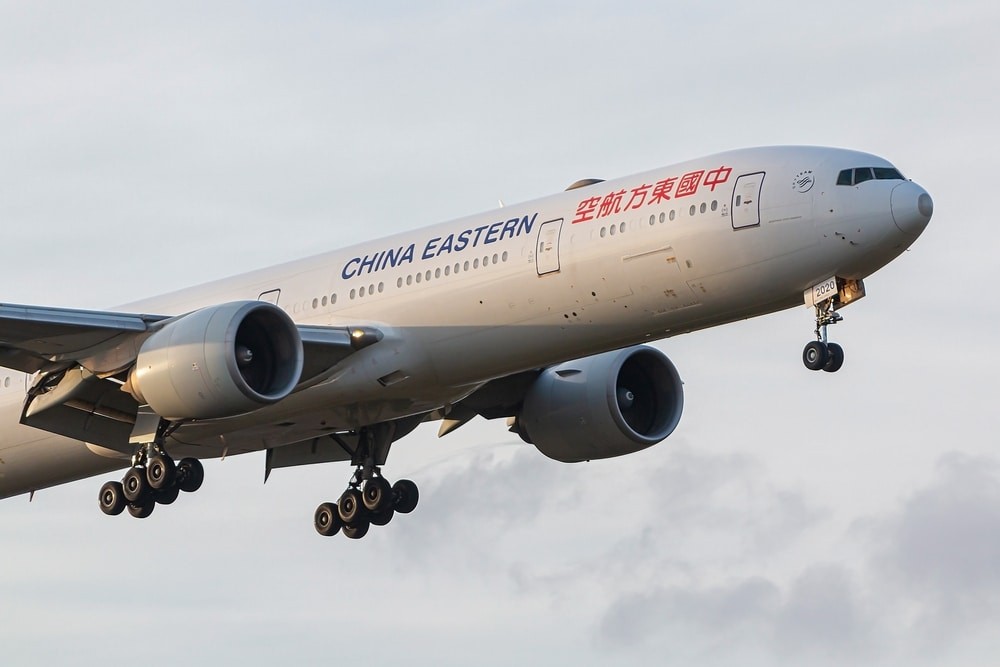
The Boeing 777, renowned for its extended range and fuel efficiency, is key to sustaining this groundbreaking flight. This aircraft is engineered for demanding long-haul missions, providing the necessary fuel capacity and payload capabilities with minimal operational interruptions.
Crucially, this route could pioneer new possibilities for ultra long-haul air travel. If it proves successful, it may redefine commercial flight corridors by combining operational feasibility with geopolitical and economic considerations.
Challenges of Extended Flight Duration and Operations
A near 29-hour flight extends beyond plane performance to issues around managing crew exhaustion, enhancing passenger comfort, and orchestrating airport logistics. International aviation authorities enforce strict regulations on crew duty hours and rest, meaning additional or relay crew members are essential to meet safety rules.
The Boeing 777’s spacious design accommodates extended flying periods with advanced fuel systems and comfort features. Nonetheless, passengers spend almost two days onboard, necessitating sophisticated inflight meal service, wellness support, and possibly flexible cabin zones for rest and activity.
The Auckland stop serves as a quick refueling and operational reset point, balancing swift turnaround with the demands of international airport coordination. The tight schedule leaves little room for delays caused by weather, air traffic, or other disruptions, which can cascade through the flight network.
This flight avoids the busiest transatlantic and transpacific air corridors, instead taking advantage of less congested routes that ease scheduling pressures and reduce potential conflicts with peak-hour traffic.
- Categories:
- News













0 comments
Sign in to Comment