
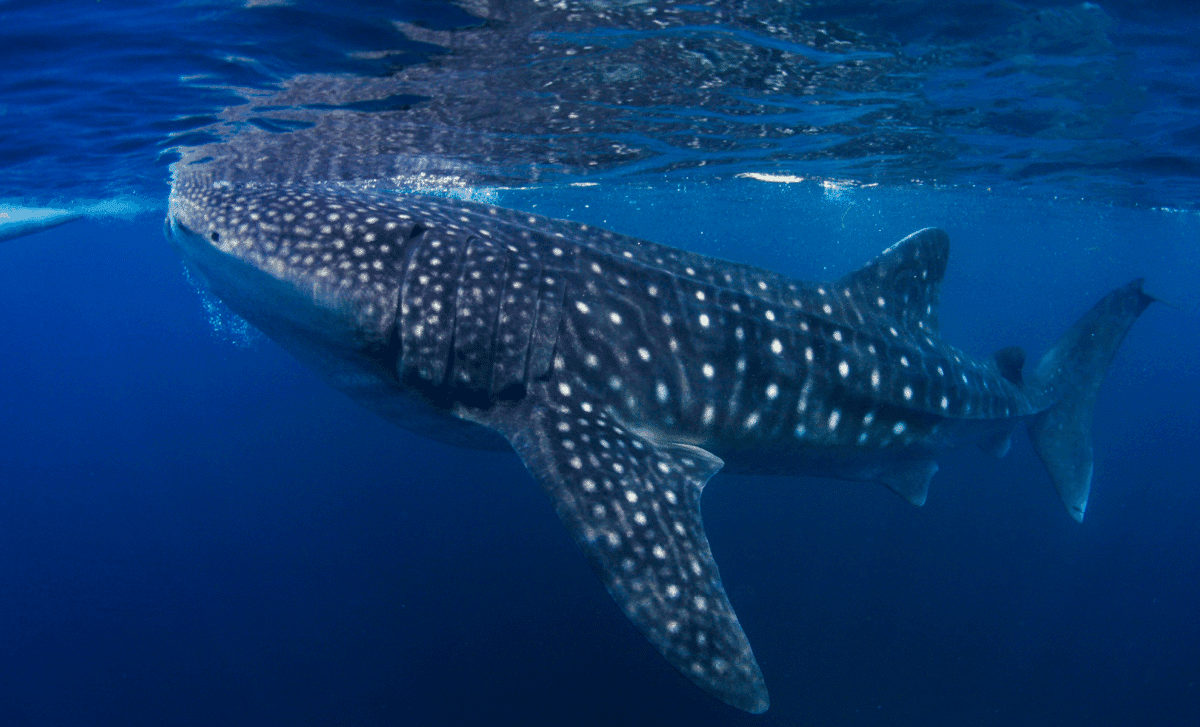
Within the expansive waters of the Pacific Ocean, whale sharks—known as the giants of the sea—can grow to immense lengths nearing 60 feet, as detailed in a recent report on Animals Around the Globe. These majestic fish are among the largest living fish species, drawing intrigue from marine scientists and ocean lovers for their colossal size and intriguing migratory habits.
Whale Sharks: The Ocean’s Largest Filter Feeders
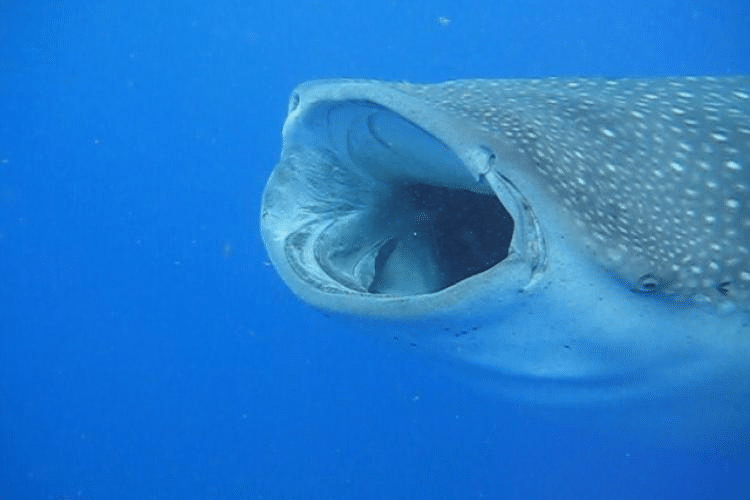
Whale sharks hold the title of the largest fish species on the planet, sometimes reaching lengths up to 60 feet, according to recent accounts in Pacific Ocean findings. Although enormous, these sharks feed by filtering tiny plankton and small aquatic creatures, making them harmless to humans. Unlike predatory sharks, whale sharks move steadily and peacefully through the ocean, sustained by their plankton-based diet. Their distinctive speckled skin patterns and calm demeanor have made them popular subjects of underwater research and diving explorations. Some of the largest specimens weigh as much as 20.6 metric tons, showcasing their stature not only as the biggest fish but also as some of the ocean’s most remarkable inhabitants.
Understanding the Epic Journeys of Whale Sharks
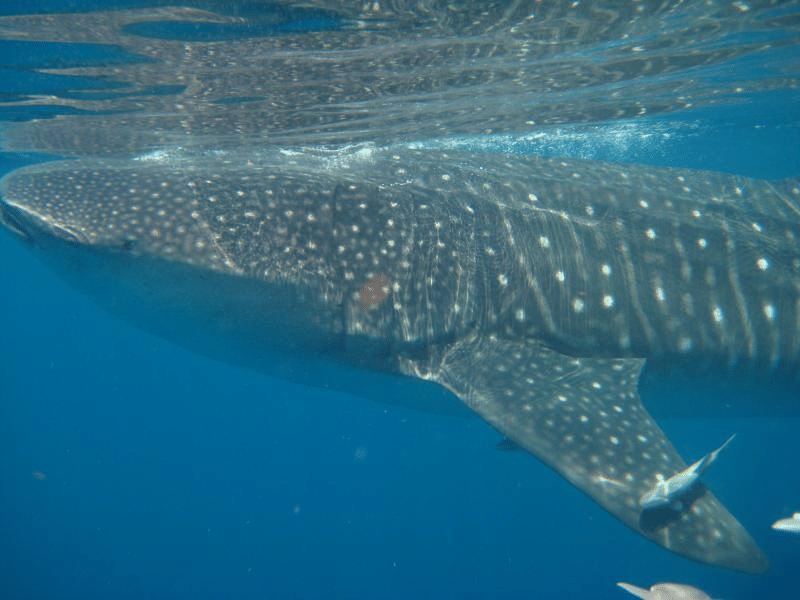
One of the most captivating traits of whale sharks is their extensive migration across tropical and warm temperate waters. Although much is known, many aspects of their travel patterns remain elusive. Researchers have increasingly employed tagging and satellite tracking technologies to gather data on their movements, yet significant gaps persist. These migrations appear closely tied to factors like food supply, mating behavior, and changes in environmental conditions, underscoring the importance of continuous monitoring to protect these creatures effectively.

Ecological Importance of Whale Sharks Beyond Their Size
Beyond their impressive scale, whale sharks fulfill a vital ecological function. Their feeding habits, mostly centered on filtering plankton and small marine animals, help regulate these populations in the ocean’s ecosystem. By managing these levels, whale sharks contribute directly to the stability of the marine food chain, which positively impacts other species, including fish important to industry. This process also supports the productivity and health of ocean environments, making whale sharks key contributors to marine ecosystem balance worldwide.
Challenges Threatening the Survival of Whale Sharks
Despite their crucial marine role, whale sharks are facing numerous threats, many resulting from human influence. Overfishing, destruction of natural habitats, and pollution pose significant risks. Accidental capture in fishing gear, collisions with boats, and expanding coastal development all contribute to the pressure on their populations. With a slow reproductive cycle, any disruption can have severe, long-lasting impacts. Therefore, targeted conservation measures are imperative to protect the long-term survival of these gentle giants in our oceans.
Conservation Initiatives Aimed at Protecting Whale Sharks
The effort to conserve whale sharks extends beyond preserving a single species—it is about maintaining the health of entire marine ecosystems. Global conservation programs emphasize protecting whale sharks through the creation of marine protected areas, tougher fishing controls, and international cooperation. Marine protected areas (MPAs) serve as vital refuges for whale sharks to feed and migrate safely, free from human threats. Additionally, worldwide outreach campaigns aim to increase awareness of the importance of whale sharks and the dangers they face, motivating local and global communities to engage in conservation actions.
- Categories:
- News











0 comments
Sign in to Comment