
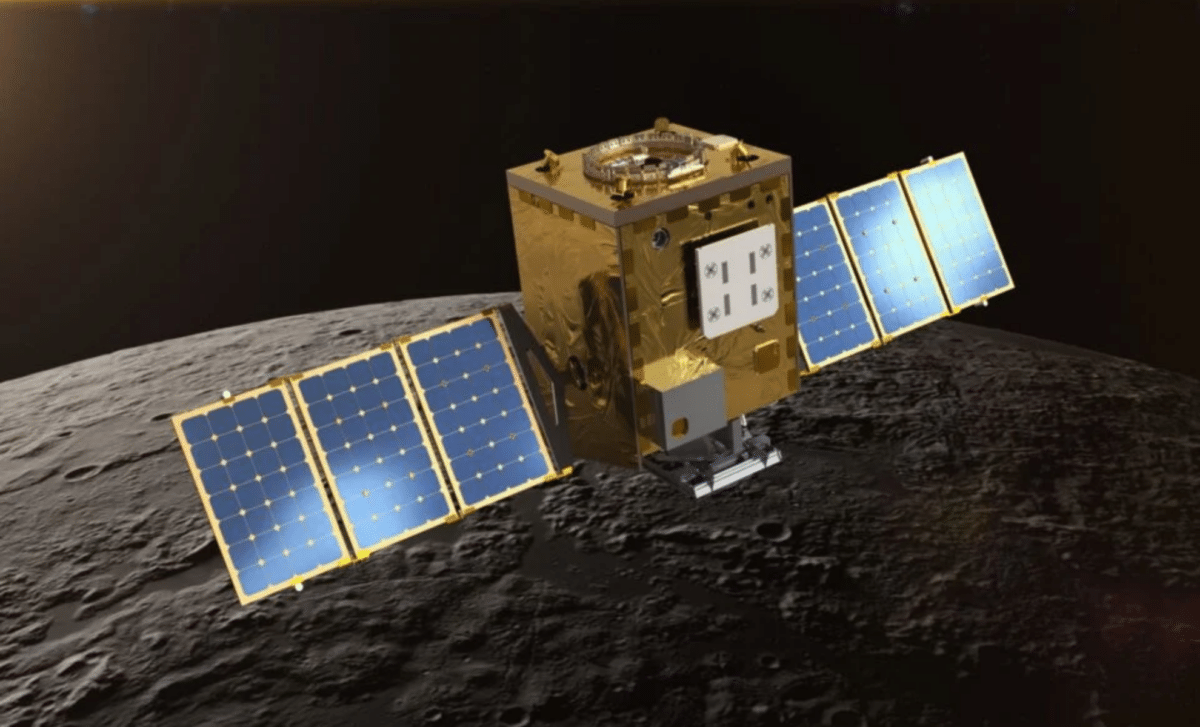
NASA’s Lunar Trailblazer mission aimed to revolutionize our understanding of lunar water by mapping its distribution across the Moon’s surface. With a budget of $72 million, this satellite was expected to deliver crucial data to support future lunar exploration. Unfortunately, the mission was cut short just one day after launch due to a severe software malfunction. Following the abrupt loss of communication, the NASA team launched a detailed analysis to uncover the root causes. A recent NPR report released in February 2026 provides an in-depth look at the technical faults that led to the mission’s failure and underscores deficiencies in testing protocols and engineering processes.
The Goal of Lunar Trailblazer: Mapping Water on the Moon
Lunar Trailblazer was designed to enhance NASA’s knowledge of lunar water—its forms, quantity, and spatial distribution. While the presence of water on the Moon had been established, important details remained unclear. Equipped with state-of-the-art instruments, the satellite was supposed to analyze different types of water and their interaction with lunar thermal conditions. This mission was a key element supporting NASA’s Artemis initiative, which aims to establish a sustainable human presence on the Moon.
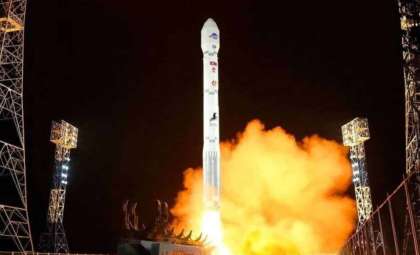
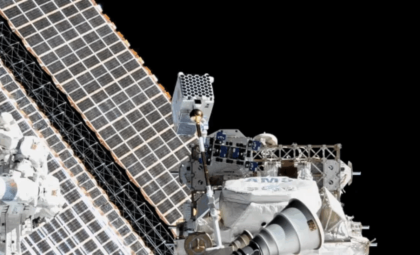
Sadly, after successfully deploying from the SpaceX Falcon 9 rocket and initiating communication, contact with the satellite was lost the very next day. Investigators pinpointed the issue to a software bug that misaligned the satellite’s solar panels by 180 degrees, causing it to enter a power-deprived "cold state" and severing communication links with Earth. Compounding this problem were a series of incorrect onboard fault management responses, which hindered attempts to restore contact.

How a Software Fault Crippled the Mission Overnight
Both NASA and its partner Lockheed Martin faced significant challenges following the mission’s demise. The core problem was traced back to flawed control software responsible for solar panel orientation. According to the official documentation, “While isolated anomalies might have been manageable with time, the cumulative effect proved overwhelming.” The combination of incorrectly positioned solar arrays and a subsequent loss of power was insurmountable despite persistent recovery efforts. By mid-2026, after months without progress, NASA officially declared the mission unsuccessful.
Despite the setback, NASA recognized that some significant achievements were made during the process.
“While Lunar Trailblazer didn’t achieve its mission goals, the team successfully demonstrated many milestones, including navigating a main engine swap and an intense vibration test campaign,” the statement reads.
These accomplishments, although overshadowed by the mission’s failure, spotlight the perseverance and technical skills of the project team.
The Crucial Lessons in Testing and Risk Mitigation
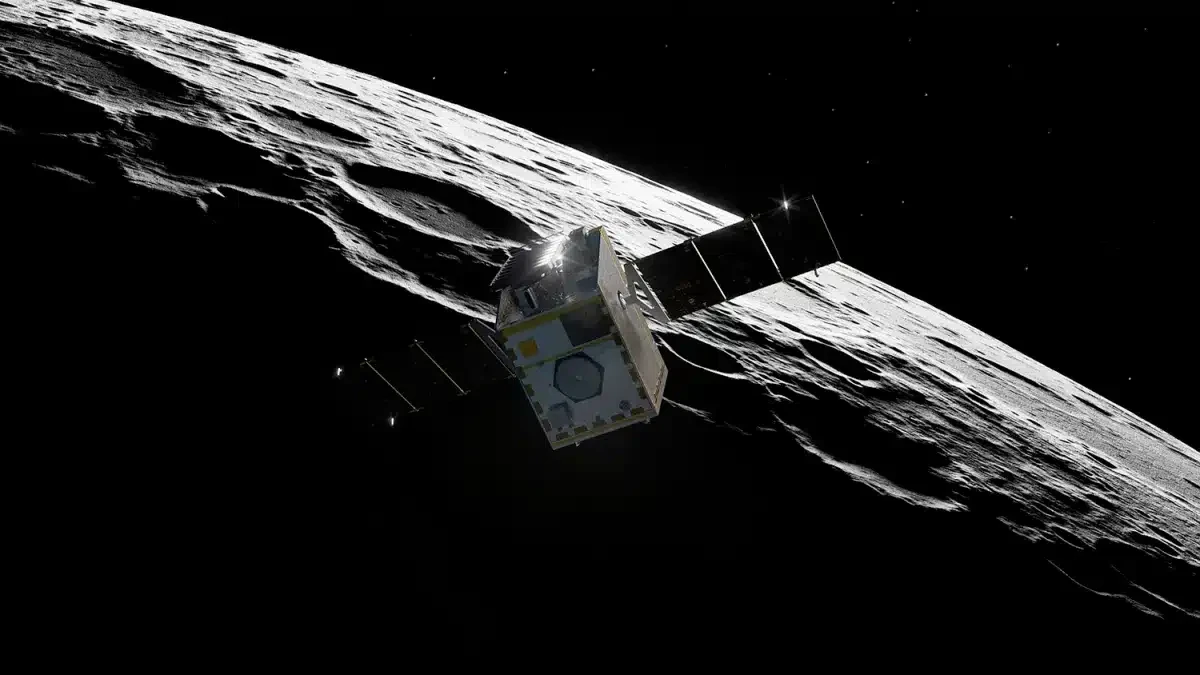
The Lunar Trailblazer setback underscores how vital comprehensive testing is, especially for budget-conscious space projects that inherently carry elevated risks. Even though NASA and Lockheed Martin conducted extensive system tests, the failure of a critical element mere hours after launch revealed the complexity and unpredictability of space exploration. The investigation highlighted a key lapse in the testing regimen for the solar array system, with the overlooked software error likely detectable under more rigorous scrutiny. This was particularly troubling given the mission’s goal to map lunar water—a cornerstone for upcoming NASA exploration efforts.
Future lunar and Martian missions will need to implement stricter testing protocols to avoid similar failures. Ensuring the robustness of software, solar power systems, and communication components is essential for mission success. In response to Lunar Trailblazer’s challenges, NASA has pledged to enhance its testing frameworks and risk assessment processes for projects ahead.
- Categories:
- News









0 comments
Sign in to Comment