
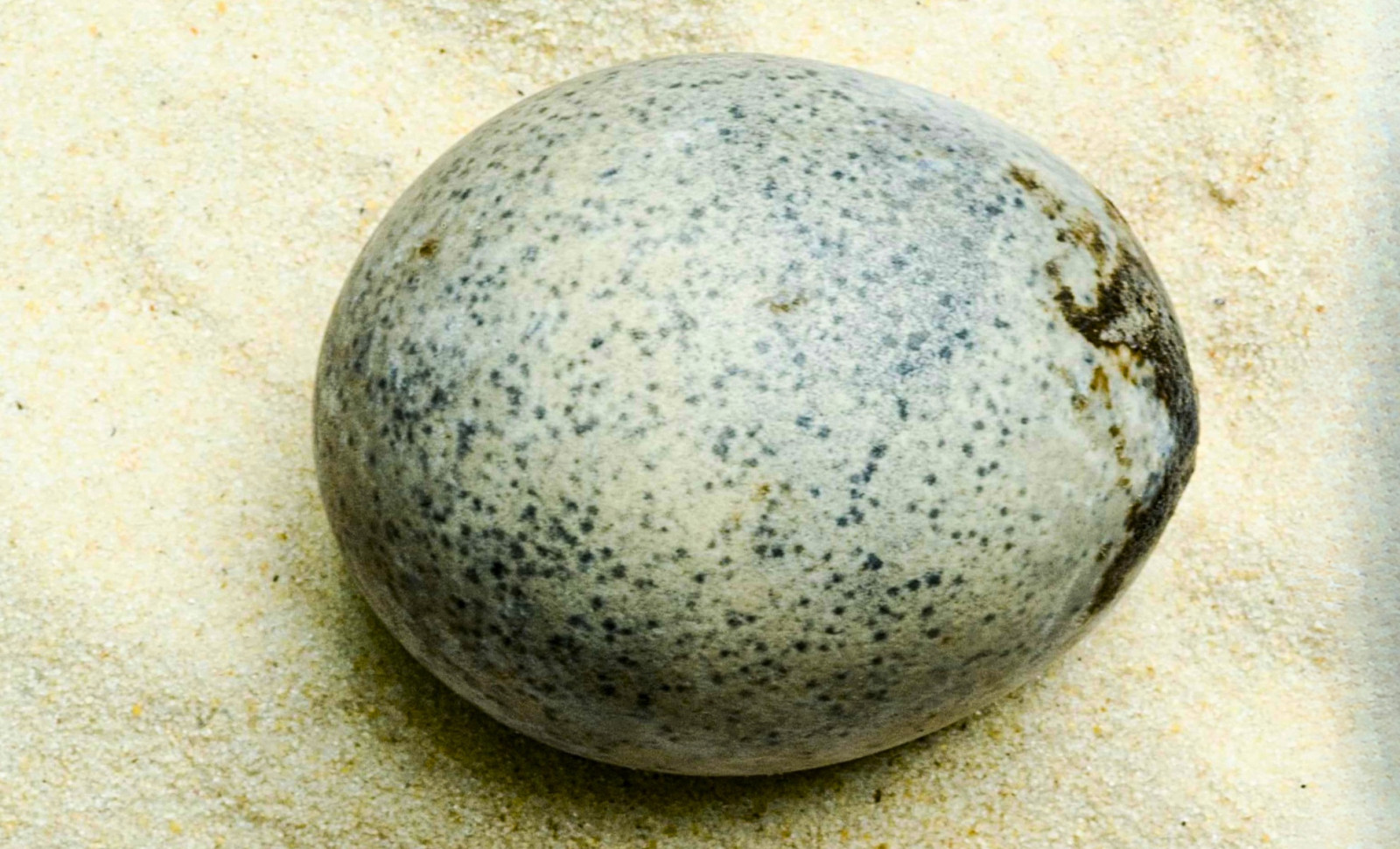
During an archaeological dig, researchers discovered that three Roman eggs ruptured, releasing a pungent sulfurous odor, while a fourth egg remained intact. More than ten years later, advanced imaging revealed that this surviving egg, excavated from Berryfields near Aylesbury, still contained liquid and an air bubble after being buried for around 1,700 years.
Known as the Aylesbury egg, this artifact was uncovered in 2010 within a waterlogged pit dating back to the Roman era, located west of Aylesbury in Buckinghamshire. The pit also held a woven basket, pottery, leather footwear, and animal bone. The Guardian noted that these four eggs were discovered during archaeological investigations prior to a large-scale housing project.
Preservation in a Water-Saturated Roman Pit
Excavations at Berryfields, conducted from 2007 to 2016 ahead of new residential construction, uncovered traces of human presence from the early Neolithic period through to post-medieval times, with particular emphasis on the Roman era, according to the local archaeology department. Oxford Archaeology published an extensive report in 2019 summarizing the findings.

The discovery of four eggs within a sizable waterlogged Roman pit alongside other artifacts such as pottery, leather shoes, animal bones, and coins highlights how moist conditions can preserve delicate organic materials that typically degrade. Such an environment enabled one egg’s remarkable preservation, allowing modern scanning and examination centuries later.
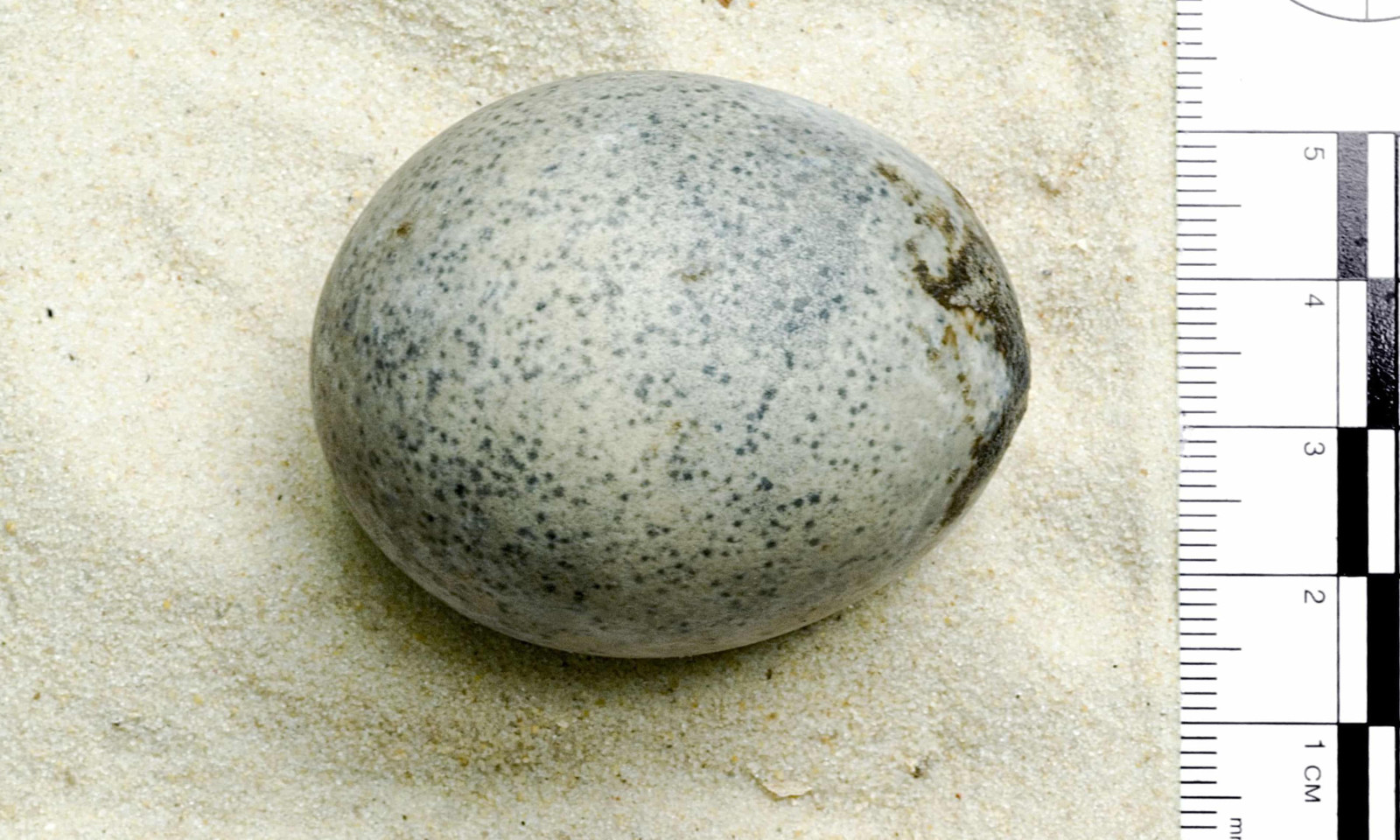
Only one egg remained fully intact. Described by Buckinghamshire Council as “an extraordinary discovery,” the other eggs fractured, emitting a strong sulfur smell that provided a vivid sensory connection to the past. This surviving egg represents a sealed artifact from Roman-era Britain beyond mere shell fragments.
Revealing the Egg’s Interior Through Scanning
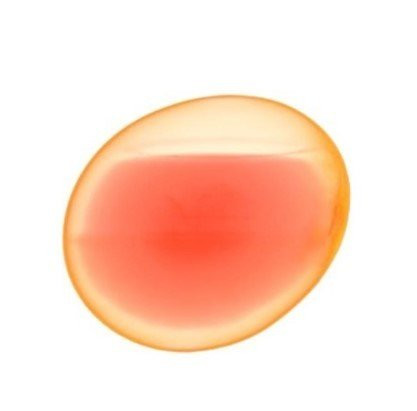
During conservation efforts led by Dana Goodburn-Brown of DGB Conservation, the egg underwent a Micro-CT scan, performed by Dr. Christopher Dunmore at the University of Kent’s Imaging Centre for Life Sciences. This technique allowed researchers to explore the egg’s interior without damaging the fragile shell.
Scans confirmed the egg was not empty. Buckinghamshire Council explained that it “still contains liquid and an air bubble,” with The Guardian reporting the liquid likely consists of blended yolk and albumen (egg white) that have merged over time.
Oxford Archaeology’s senior project manager Edward Biddulph remarked on the rarity of locating what is possibly the only complete Roman-era egg in Britain. “Shell fragments are frequent finds, but intact eggs are exceptional,” he explained to The Guardian. The scan adds scientific value by offering insights about the bird species from nearly two millennia ago.
Challenges of Preserving This Unique Find
Following the imaging, the egg was transported to London’s Natural History Museum for expert evaluation. Douglas Russell, senior curator of the museum’s birds’ egg and nest collections, examined it alongside Arianna Bernucci, with Buckinghamshire Council archaeologist Lucy Lawrence, Edward Biddulph, and Dana Goodburn-Brown also present.
The key conservation dilemma arises from the delicate balance between studying the valuable liquid interior and preserving the fragile shell. Russell was consulted about the possibility of safely opening the egg or extracting the liquid content, which could involve drilling a tiny hole, though no such procedure has been carried out yet.
While Russell noted that older eggs with preserved contents have been documented, including mummified specimens, this particular 1,700-year-old egg is extraordinary as it is considered the oldest unintentionally preserved egg of its type known worldwide, according to Buckinghamshire Council.
Possible Ritual Significance Suggested by the Egg’s Location
The context of the egg’s placement may suggest ritual use. Biddulph explained that the egg was deliberately deposited in a pit that once functioned as a well for malting and brewing, situated in a damp area near a Roman road. He suggested to The Guardian that the eggs might represent a votive offering.
This interpretation is based on archaeological context rather than definitive proof. The eggs were found together with a basket, pottery, coins, leather shoes, and animal bones. Biddulph also proposed that the basket could have contained bread, although this remains unconfirmed. Together, these findings point to a purposeful deposit rather than casual disposal.
Moving forward, Buckinghamshire Council plans to develop strategies for researching the egg’s liquid contents while ensuring its preservation for the future. Specialists are weighing options to maximize scientific gains without compromising the artifact’s integrity after surviving nearly two millennia underground.
- Categories:
- Science

0 comments
Sign in to Comment