
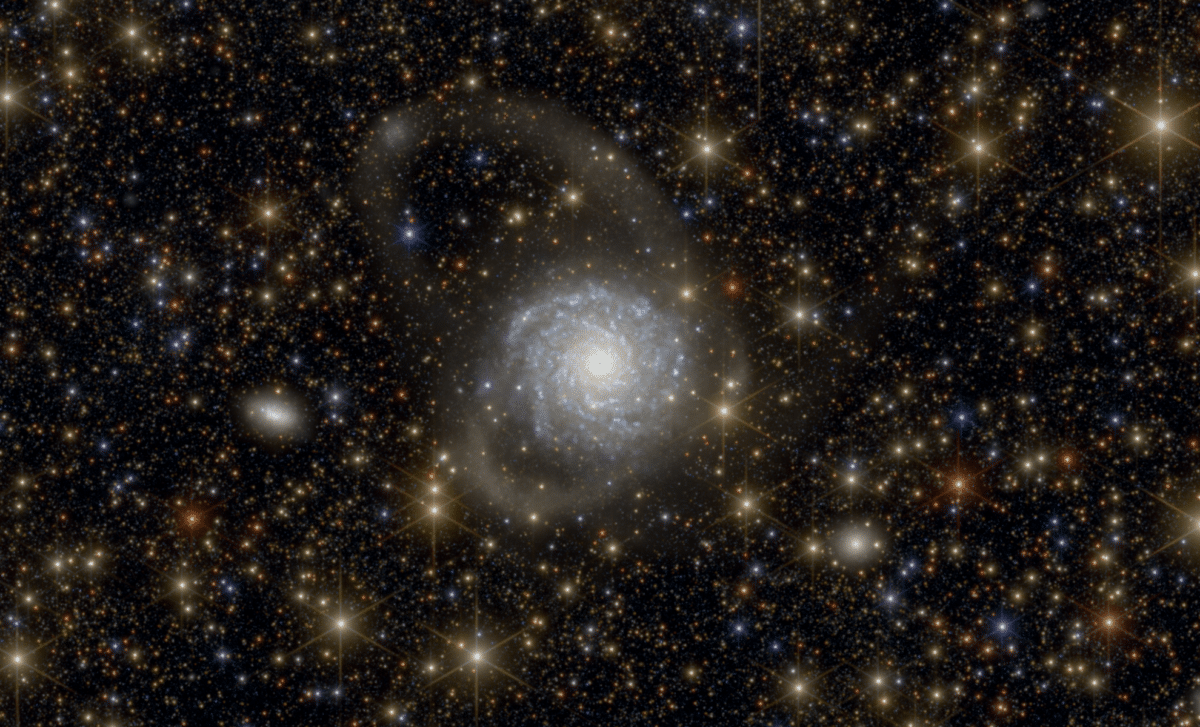
The European Space Agency (ESA) has given the green light to its innovative galactic archaeology project, Arrakihs, scheduled for launch by late 2030. This cutting-edge mission is designed to detect the subtle, faint glow emitted by galaxy haloes—vast regions that hold essential insights into the formation and evolution of galaxies including our own Milky Way over billions of years (ESA).
Revealing the Secretive Haloes Around Galaxies
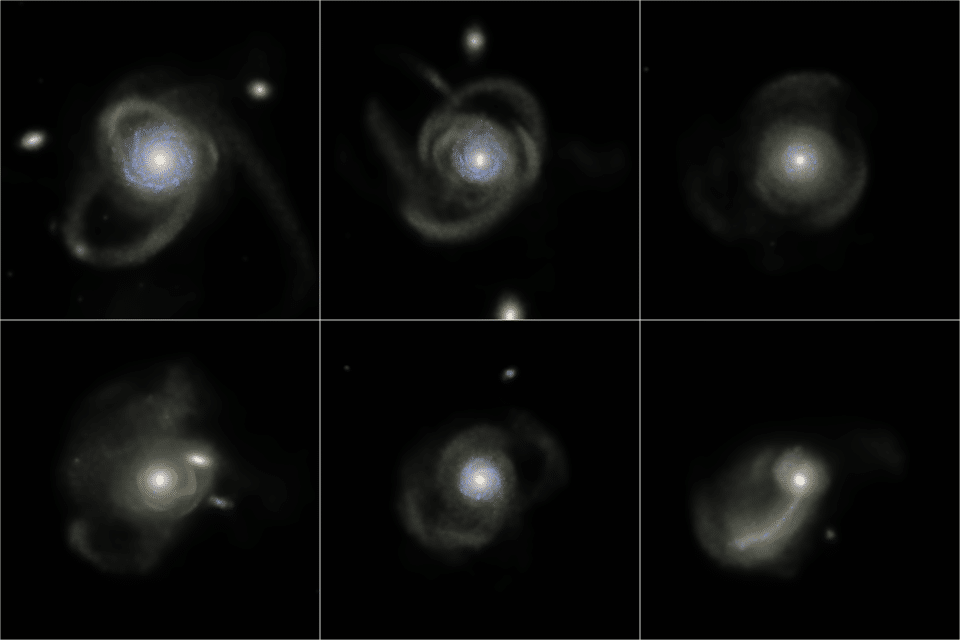
While the luminous spiral arms are the most familiar picture of a galaxy, surrounding them lies an enormous, spherical structure called the galaxy halo, which remains mostly invisible to conventional telescopes. Primarily consisting of dark matter—acting as the galaxy’s gravitational backbone—and sparse stars and gas clouds, these haloes store vital evidence of ancient cosmic events. The Arrakihs mission will concentrate on these elusive structures such as stellar streams, which are remnants of smaller galaxies absorbed through mergers. By charting these streams, researchers aim to piece together the intricate timeline of galaxy assembly and understand how galaxies like the Milky Way have grown over cosmic history. This endeavor promises to shed light on unseen cosmic frameworks, enhancing our comprehension of galaxy evolution and dark matter’s influence.
State-of-the-Art Tools to Detect Faint Cosmic Light
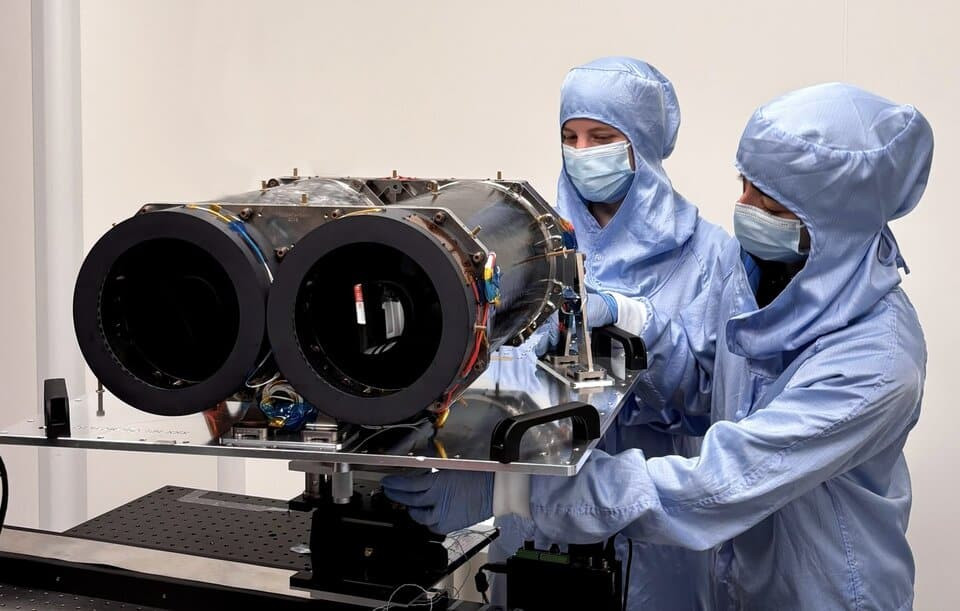
Capturing extremely dim objects requires advanced instrumentation. Arrakihs will be equipped with an innovative instrument featuring two binocular telescopes combined to house four cameras operating across several wavelengths from near-ultraviolet to near-infrared. Such a setup enables the detection of light levels far below the reach of previous missions. A European research consortium, led by Spain and supported by Switzerland, Austria, Belgium, Norway, Portugal, and Sweden, is developing this complex instrument. This partnership reflects ESA’s collaborative model across member nations, maximizing scientific gain from every photon gathered. Backed by ESA’s Prodex programme, these sophisticated cameras are engineered to provide the precise measurements required to decode the intricate narrative of galaxy haloes.

Decoding Galaxy Histories Through Stellar Streams
Galaxy haloes offer more than just a ghostly glow; they archive the violent histories of galaxy collisions and mergers. Observing a sample of at least 80 galaxies comparable in size to the Milky Way, Arrakihs will secure ample data to identify patterns and determine how typical our galaxy is. “Arrakihs is a ground-breaking and unique galactic archaeology mission. By uncovering hard-to-see galaxy haloes, it will reveal new details of how galaxies form and whether the Milky Way galaxy is unique. Its rapid development showcases the flexibility and breadth of ESA’s Science Programme,” states Professor Carole Mundell, ESA’s Science Director. Each mapped stellar stream tells the tale of stars stripped away from smaller galaxies during mergers, contributing to the grand structures present today.
A Swift Explorer With A Cosmic Mission
Arrakihs is ESA’s second “F-class” or fast-track mission under the Cosmic Vision initiative, chosen in 2022 and now progressing into full production. Such missions are characterized by accelerated timelines—from selection to launch in under a decade. The recent adoption signals progress from design studies to assembling and testing the spacecraft and its instruments. As part of ESA’s Cosmic Observers portfolio, Arrakihs will tackle fundamental questions on the universe’s origins, makeup, and core physical principles. ESA highlights that the mission’s quick turnaround not only showcases technical excellence but also demonstrates the agency’s ability to swiftly align with emerging scientific priorities.
- Categories:
- Space










0 comments
Sign in to Comment