
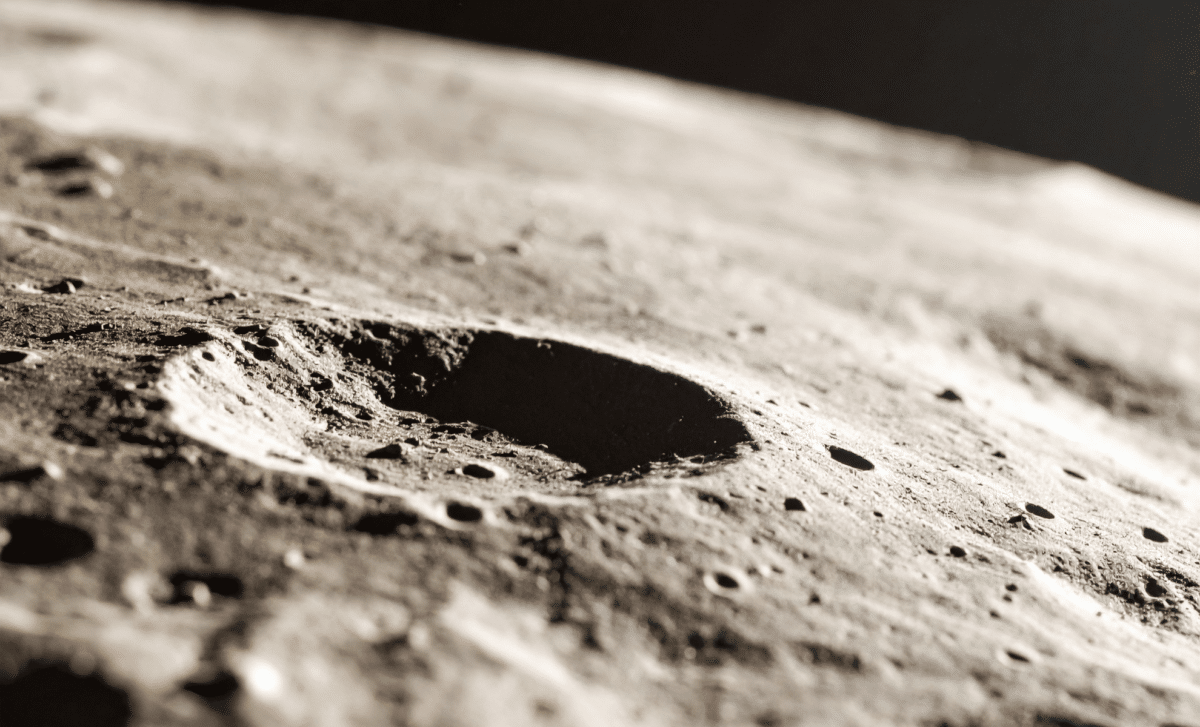
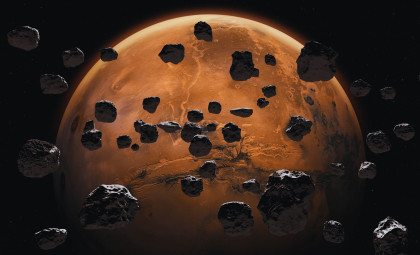
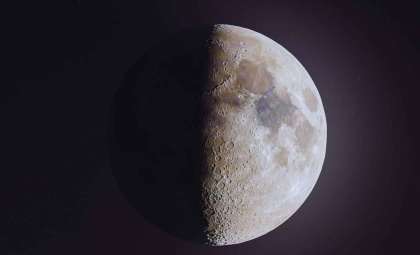
Researchers specializing in planetary science have uncovered signs of a significant asteroid collision on the moon dating back approximately 3.5 billion years. This discovery sheds light on the tumultuous early days of our inner solar system. Published in Geology, the study connects this lunar impact to comparable events on Earth and within the asteroid belt, deepening our understanding of the factors that influenced the origin of life on Earth.
Unlocking Earth’s Distant Past Through Lunar Evidence
Because Earth's earliest geological markers have mostly vanished due to erosion, tectonic shifts, and subduction, scientists rely on the moon's stable surface to uncover ancient asteroid impacts. Meteorites from the moon like NWA 12593, discovered in northwest Africa, serve as valuable time capsules, holding clues to the collisions that shaped the early histories of both the moon and our planet.
Carolyn Crow, a planetary scientist at the University of Colorado Boulder, highlights the importance of these impacts for understanding life's beginnings:

“On Earth, the first fossil evidence of life shows up around 3.5 billion years ago, meaning that life is emerging and evolving before then. The question that we often have, even going back further, is what was the impact record when life was emerging?” She adds, “It is important for understanding how life is taking hold, how life is emerging. The cadence of these catastrophic events is an important part of the equation.”
The Earliest Major Collision: Molten Surfaces on the Moon
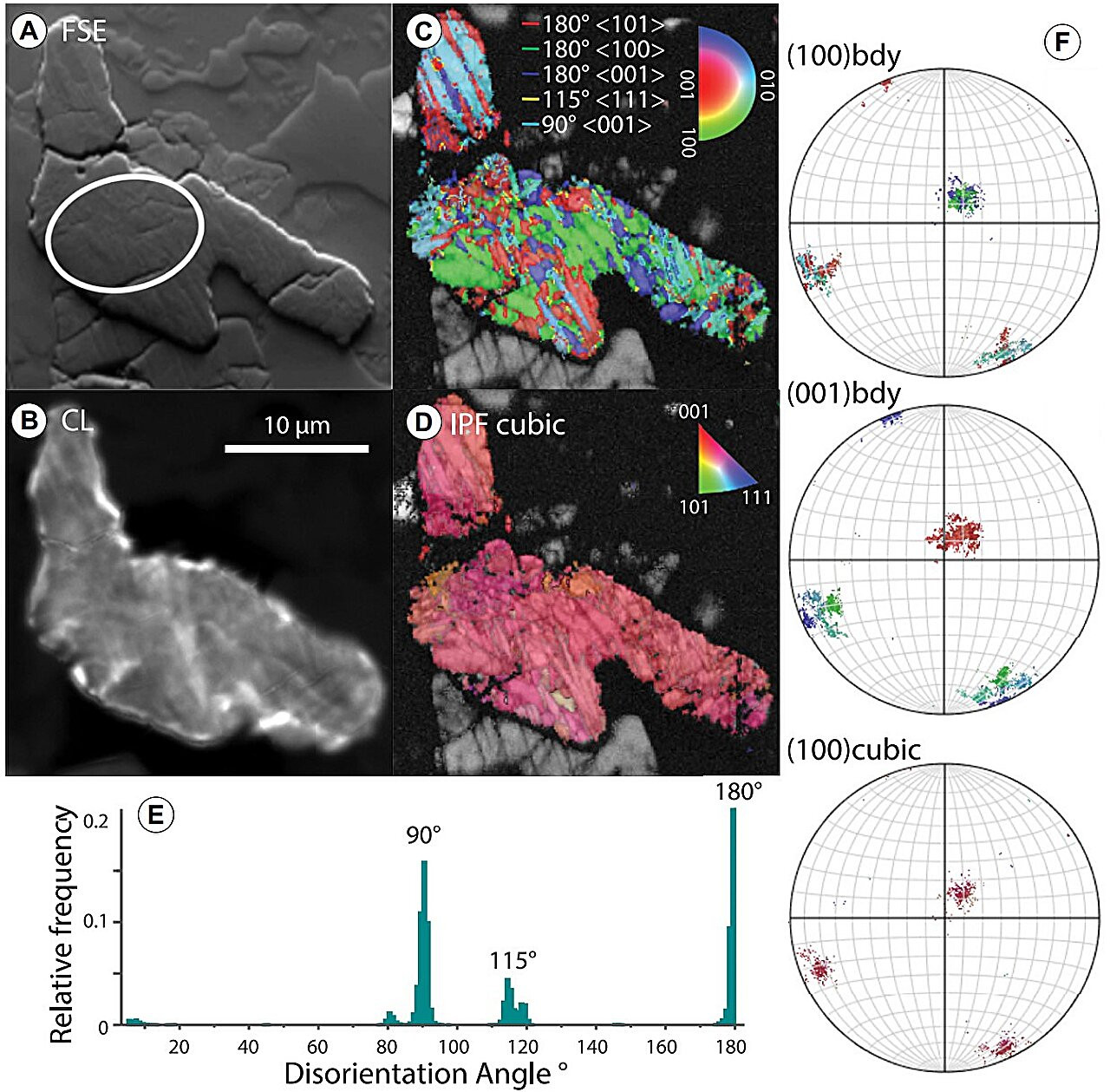
Through radiometric dating on NWA 12593, scientists have identified a tremendous impact event that transformed the moon’s surface around 3.5 billion years ago. This collision generated enough heat to create a molten layer across the lunar terrain, giving rise to minerals that only form under extreme thermal conditions, including a rare natural variant of cubic zirconia. Unlike manufactured gems, these crystals endure only briefly under normal environments, leaving faint evidence known as the cubic zirconia phase heritage.
This initial colossal impact stands as one of the earliest and most cataclysmic occurrences in the moon’s timeline. It profoundly affected the local geology, leaving traces visible billions of years later, and exemplifies the intense cosmic forces shaping the early solar system.
The discovery, featured in a 2026 article in Geology, offers an exceptional window into the moon’s ancient violent collisions and connects these events to related impacts on Earth and the asteroid belt.
Breccias: Nature’s Impact-Bonded Rocks
The meteorite also contains traces of a subsequent, smaller collision. This later event fractured the original molten layer into rock called breccia, which is composed of fragments cemented together by the energy from impacts. Crow paints a vivid picture of this texture:
“Breccias are similar to what you would see if you went and chipped out a chunk of concrete. You would see all these little rocks, and then they’re fused together by the cement. But the meteorite is fused together by the impact process. You get all these chunks of different kinds of rocks that the impact hit into. These all get mixed up, and then it gets fused together like your concrete sidewalk.”
Breccias provide a direct record of how repeated collisions reshape a planetary surface, offering crucial information about the timing and magnitude of these ancient cosmic hits.
Launch from the Moon: The Meteorite's Journey to Earth
Much later, a third impact expelled the NWA 12593 meteorite from the moon, sending it hurtling toward Earth. This final event has enabled researchers to analyze lunar rock in terrestrial labs without traveling to the moon itself, establishing a valuable connection across planetary bodies in our solar system.
Crow underscores the significance of this rare alignment: “It’s not very common, which is why we’re very excited about it. It’s pretty rare to have all three records line up like this.” By linking lunar impacts to those on Earth and on asteroid 4 Vesta, the research unveils a unique perspective on how the early solar system evolved from frequent collisions to the calmer environment witnessed today following planet formation.
- Categories:
- News



0 comments
Sign in to Comment