
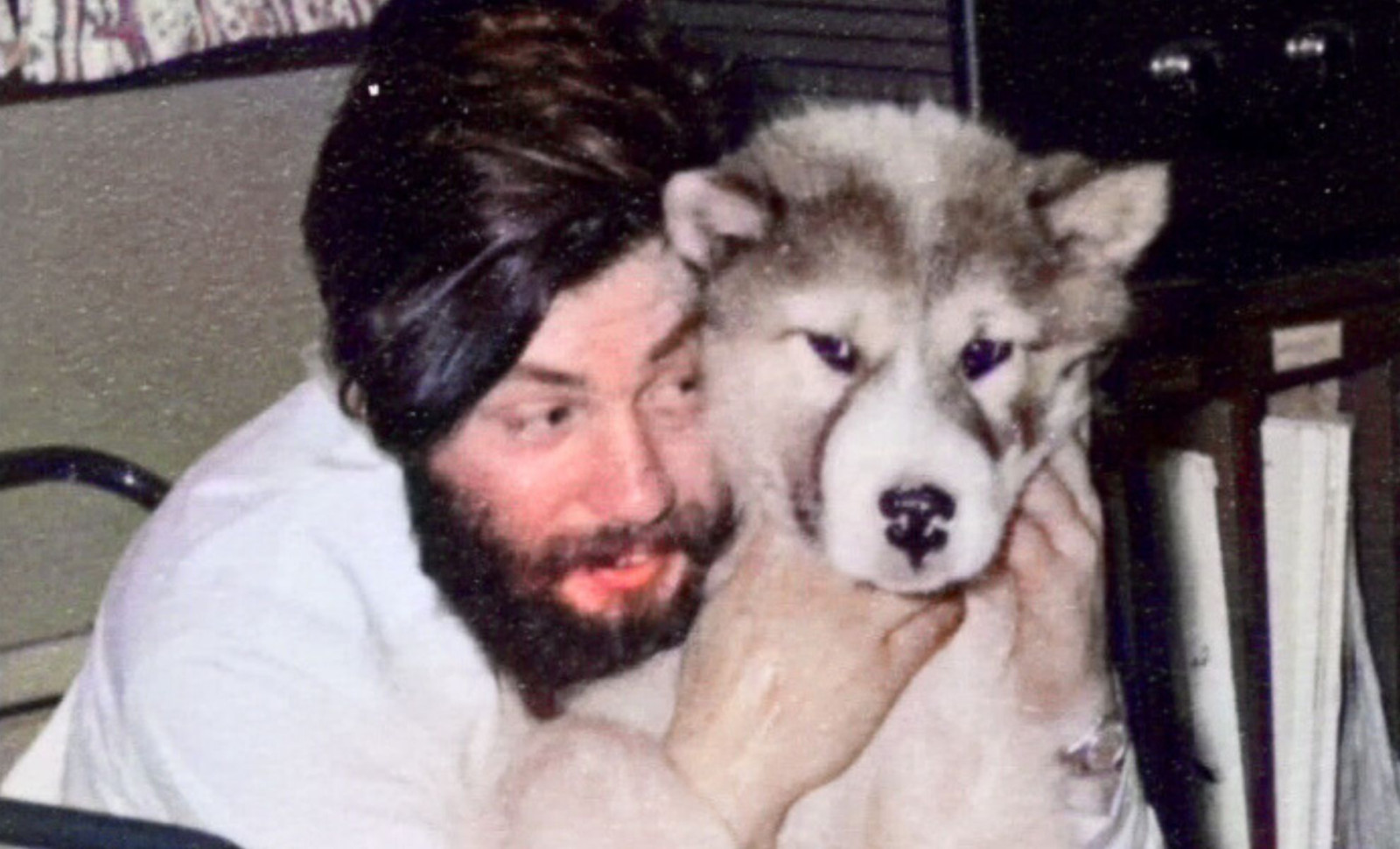
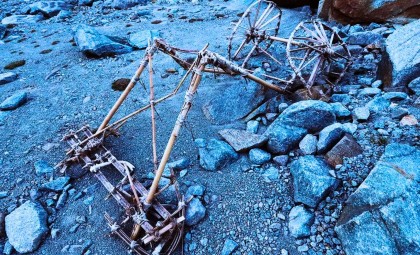
For an astonishing 66 years, Dennis Bell's remains were carried silently within the shifting ice of King George Island. As time passed, scientific research intensified, permanent stations were built, and Bell’s family faced decades without a grave to visit. Finally, in January 2025, the retreating Ecology Glacier revealed these long-hidden remains as the ice receded over exposed rock.
This discovery was not merely the recovery of a body but a portal to a historic era when Antarctic exploration relied on dog teams, canvas shelters, and the constant peril of disappearance. The confirmation of Bell’s identity by DNA testing in August 2025 resolved a decades-old mystery cherished among polar scientists. At the same time, it poses new concerns for glaciologists: if one victim has been returned by the melting glacier, what other secrets might soon surface?
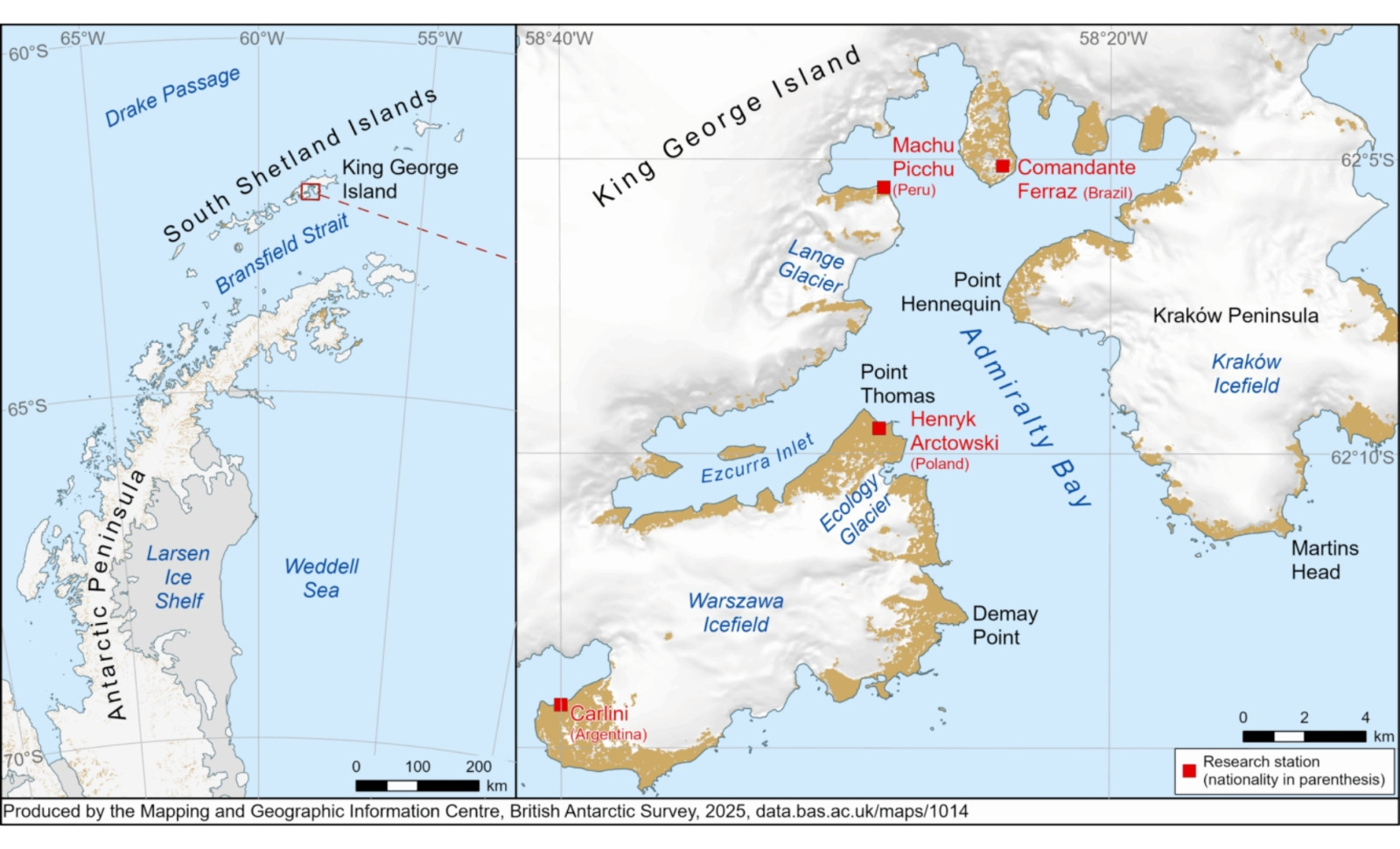
Unlocking these answers requires understanding the complex movement of glaciers. Far from being frozen tombs, glaciers flow and fracture, often transporting embedded objects far from their points of origin. As highlighted in the British Antarctic Survey release, retrieving Bell’s remains involved negotiating treacherous terrain still fraught with danger.

How the Glacier Moved Bell
On July 26, 1959, Dennis Bell plunged into a crevasse, entering a glacial system dictated by the slow force of gravity and ice flow. Over six and a half decades, the Ecology Glacier transported his remains and personal gear downslope toward its edge.
The Polish research team responsible for his recovery detailed the glacier’s influence with precise explanation. “Dennis was found far from where he initially disappeared,” they clarified. “Gravity causes glaciers to carry their ice mass, and with it, Dennis traveled the glacier’s length.”
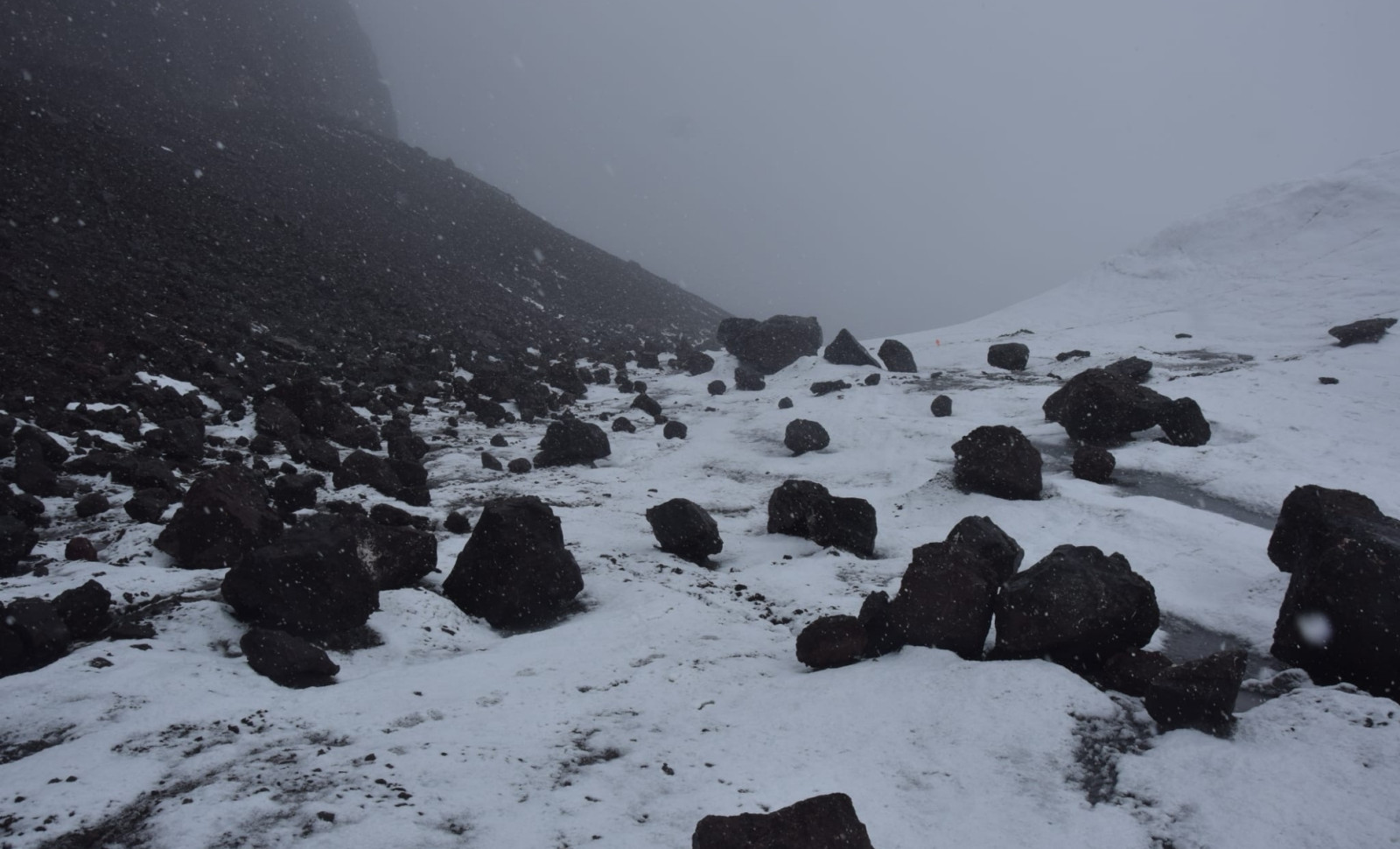
The expedition concluded as the glacier’s retreat exposed its contents. Observations from the Henryk Arctowski Polish Antarctic Station reveal a significant shrinking of Ecology Glacier since the 1980s, with an accelerated pace after 2010. A report from Popular Mechanics outlines how the team cataloged scattered relics across the newly visible debris.
Conducting the recovery entailed four hazardous crossings over slopes reaching 45 degrees. Over 200 artifacts were recovered, including a Swiss Mora knife, bamboo ski poles, a flashlight, radio fragments, an Erguel wristwatch, and an ebonite pipe stem.
Confirming Identity and Impact
DNA testing performed by Denise Syndercombe Court at King’s College London, using samples from Bell’s siblings David Bell and Valerie Kelly, confirmed his identity with a certainty exceeding one in a billion.
David Bell, 86 and residing in Australia, remembered receiving the telegram in 1959 that informed the family of Dennis’ disappearance. “The telegram boy said, ‘I’m sorry to tell you, but this is bad news,'” he said. He recounted this moment upstairs to his parents as “a horrendous moment.” The full report was covered by BBC News.
Having accepted Dennis would never be found, David joined an expedition to King George Island in 2015 but was unable to reach his brother’s base due to sea ice. He described the experience as deeply emotional, lifting a great weight from his mind. “I thought that would be it,” he shared.
Upon learning of the discovery, David expressed in a BAS statement: “When my sister Valerie and I found out Dennis had been found after 66 years, we were deeply surprised. The British Antarctic Survey and British Antarctic Monument Trust have provided invaluable support, and the Polish team’s respectful work helped us come to terms with our loss.”
The Life Behind the Name
Dennis Bell, at 25 years old, was the eldest of three siblings from Harrow in northwest London. He served as a Royal Air Force radio operator before joining the Falkland Islands Dependencies Survey in 1958.
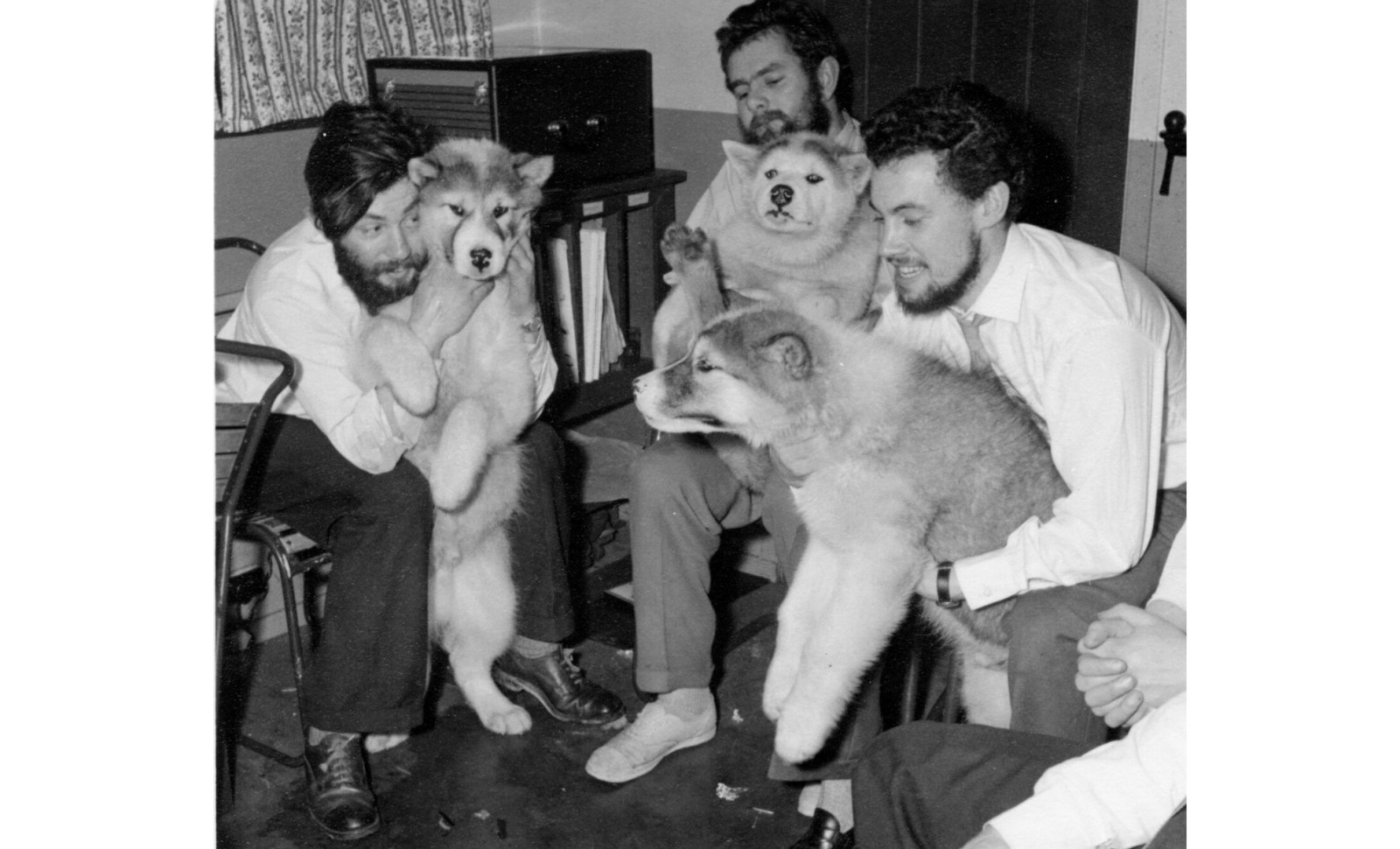
His base records reveal a cheerful, hard-working individual with a playful sense of humour and love of practical jokes. He was renowned as the camp’s best cook, caretaker of food supplies, and nurturer of husky puppies.
The fatal accident happened shortly after Bell’s 25th birthday. While leading a glacier ascent, Bell ventured ahead on foot to motivate exhausted dogs, stepping over a hidden snow bridge and falling into a crevasse.
Sir Vivian Fuchs chronicled the rescue attempt in his book Of Ice and Men. Surveyor Jeff Stokes lowered a rope almost 100 feet; Bell secured it to his belt. As Stokes and the dogs pulled him upward, Bell was caught on a ledge and fell again when the belt snapped. This time, there was no response.
Records mention that Bell had recently constructed a coffin for a colleague who had died earlier that season. One log entry notes: “We heard from Jeff that yesterday Tink fell down a crevasse and was killed. Jeff has badly frostbitten hands. We will not risk further recoveries.”
The Glacier’s Historical Role
Since 1944, 29 British individuals have lost their lives during scientific missions in the British Antarctic Territory, according to the British Antarctic Monument Trust. Not all recovered.
The unpredictable movement of ice complicates locating lost personnel; items deposited in accumulation zones may take centuries to reach the coast. Bell’s body was transported through a relatively rapid outlet glacier responsive to climatic warming.
Researchers from Poland warn that as the Antarctic Peninsula warms, similar discoveries could increase. Rod Rhys Jones, chair of the British Antarctic Monument Trust, notes, “This is a chance to honor these men’s contributions and to highlight the decades of scientific work in Antarctica.”
Bell’s remains were flown from King George Island aboard the Sir David Attenborough, then brought via the Falkland Islands to London with support from the RAF. Final decisions about memorial arrangements rest with his family.
Since the incident, Bell Point on King George Island has borne his name; now, his remains return home to rest beside it.
- Categories:
- News


0 comments
Sign in to Comment