
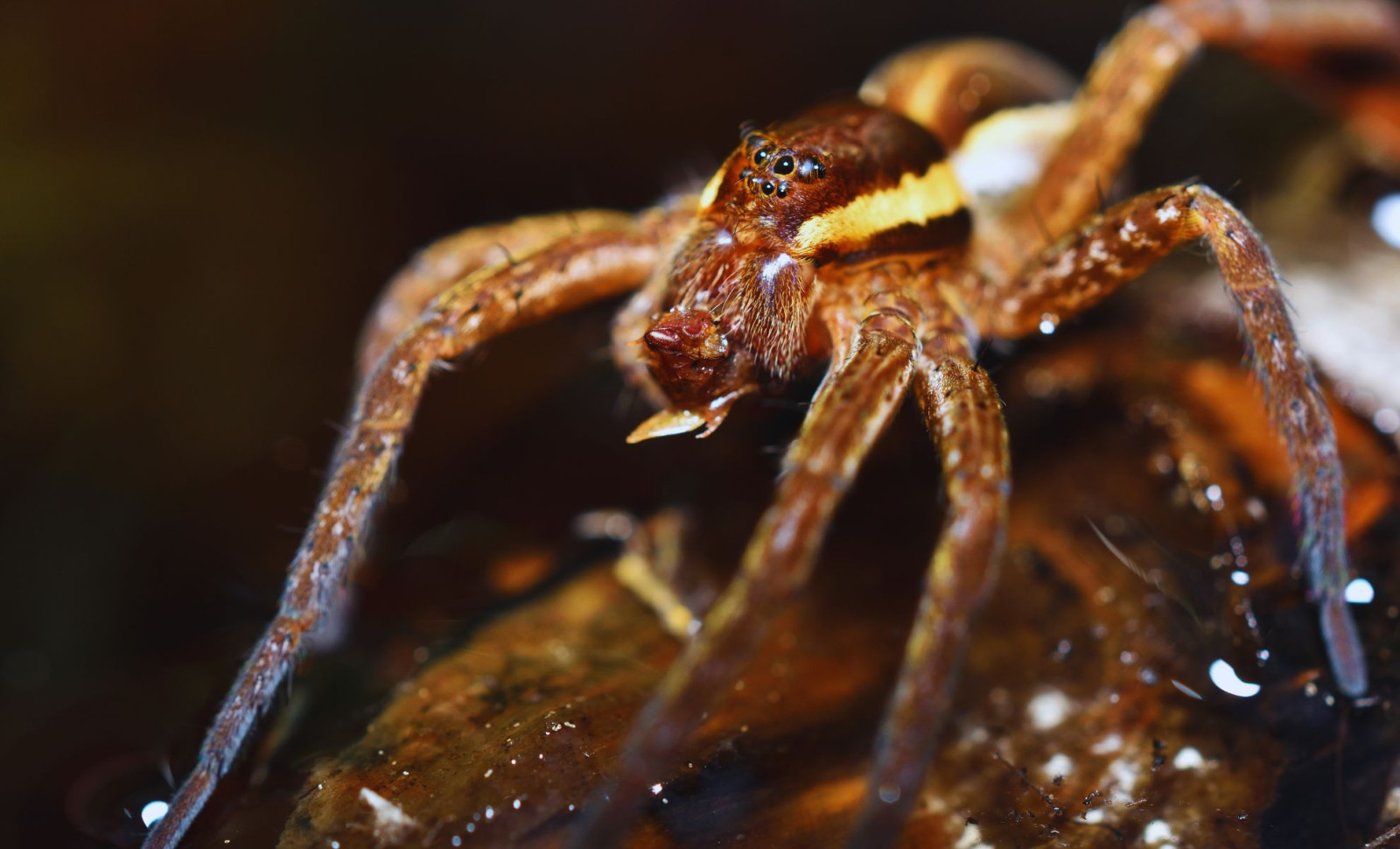
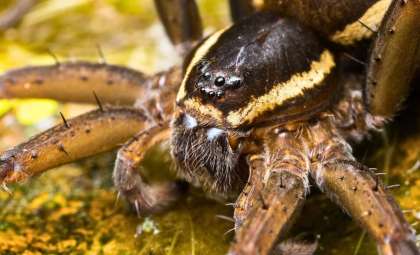
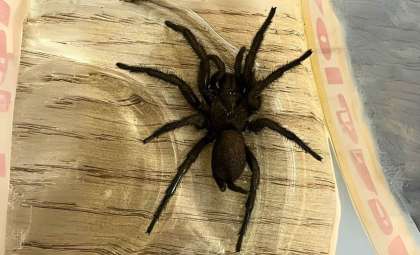
The fen raft spider, one of the largest arachnids found in the United Kingdom, is experiencing a significant recovery after coming dangerously close to extinction. Thanks to a dedicated breeding and reintroduction effort, thousands of these distinctive spiders now thrive once again in their natural habitats.
Known for their impressive size and unique semi-aquatic behavior, these spiders had suffered severe population losses due to habitat degradation. Their resurgence has been driven by a combined strategy of captive breeding and active wetland conservation.
Chester Zoo, along with the RSPB and various collaborators, spearheaded this initiative. By breeding spiders in captivity and restoring wetlands, they aimed to boost population numbers and secure a sustainable future for the species.

On the Brink of Disappearance
About 15 years ago, the fen raft spider (Dolomedes plantarius) was critically endangered within the UK, primarily because of the destruction of pristine fens and marshlands. Chester Zoo reports that the spider’s numbers plummeted to dangerously low levels before conservation measures began.
These spiders depend heavily on clean, wetland ecosystems, which makes them especially sensitive to environmental shifts. The species was first recorded in the UK in 1956 by arachnologist Eric Duffey near the River Waveney in East Anglia, where the population remained limited for many years.
A Unique Conservation Approach
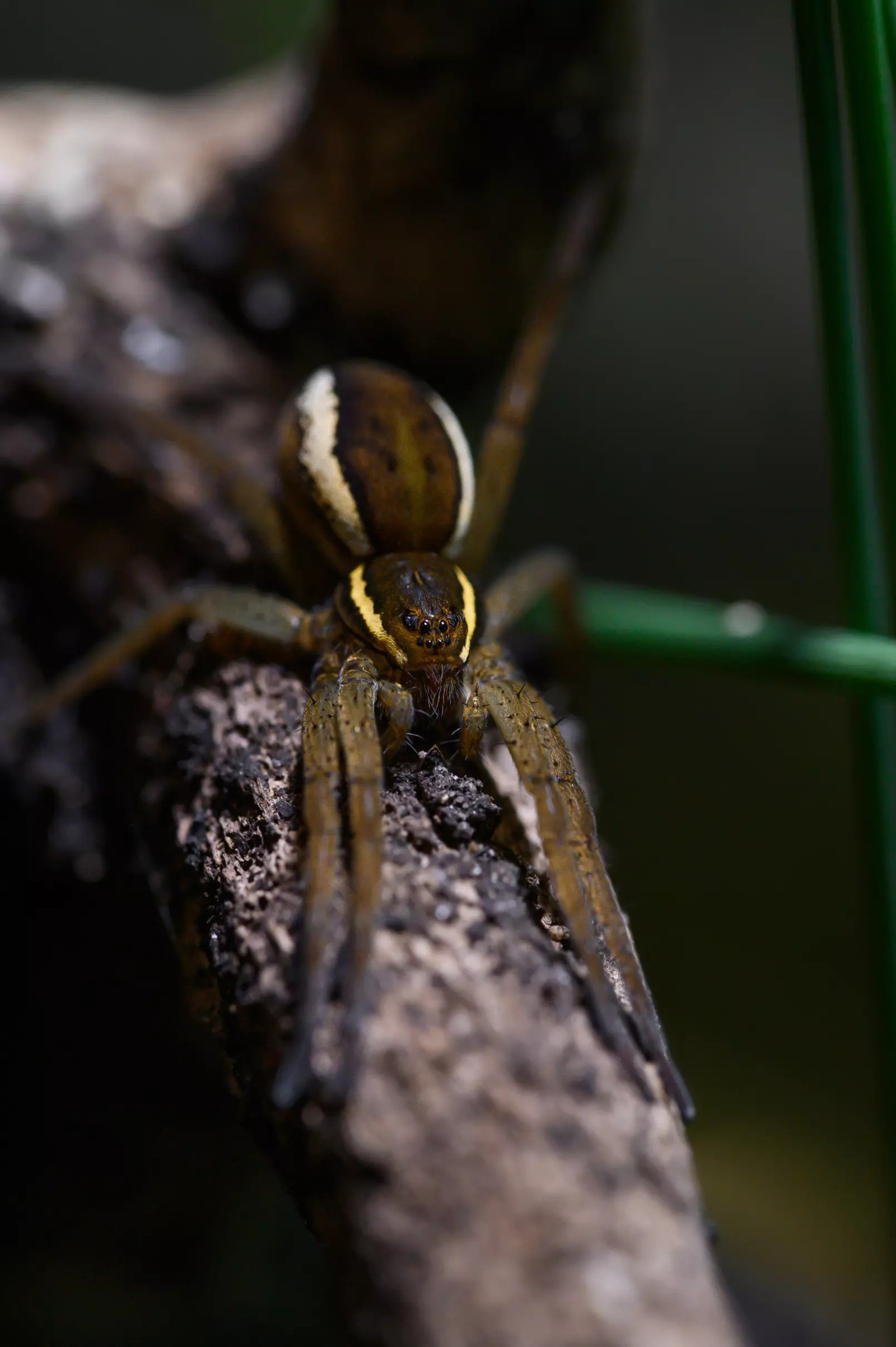
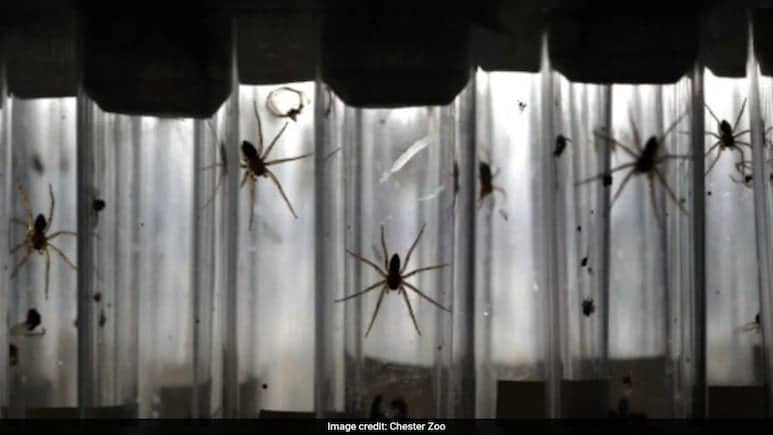
To halt the decline, conservationists developed a meticulous breeding program. Hundreds of spiderlings were carefully nurtured in isolation to prevent cannibalism, with hand feeding using tweezers ensuring their survival until they grew strong enough to be released.
“Our team delicately hand fed tiny flies to each of the hundreds of spiderlings using tweezers, day in, day out, for weeks on end in our bio-secure breeding facility,” the conservation organization explained. “Eventually, the young spiders grew strong enough to be returned to their natural habitat, which our partners worked to restore, and we released them in their hundreds!”
This effort, conducted from 2011 to 2013 with assistance from London Zoo and BIAZA members, culminated in the release of thousands of spiders into revitalized wetlands, marking a milestone in population recovery.
A Historic Comeback for the UK’s Largest Spiders
The population rebound is now evident, with approximately 10,000 breeding females estimated to inhabit the UK — an all-time high representing a dramatic turnaround in the species’ fortunes.
“The Fen Raft Spiders were bred right here at the zoo, and we’re super happy to report there are now more than 10,000 breeding females and they’ve just had the biggest mating season on record!” Chester Zoo said.
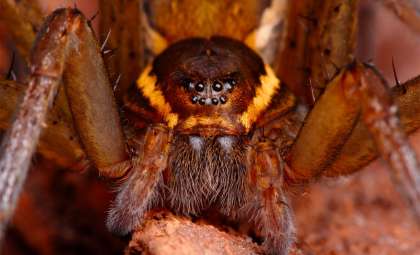
This year's record-breaking mating activity highlights the spiders’ successful recovery. With leg spans reaching 65 to 70 millimeters, these spiders are among the largest in Britain and are uniquely adept at traversing water surfaces.
According to London Zoo, the fen raft spider poses no harm to humans and remains restricted to wetland environments, where it plays a vital ecological role by controlling insect populations. Tim Strudwick, the RSPB Mid Yare nature reserve manager, remarked:
“The Fen Raft Spider is one of the UK’s rarest invertebrates and we are proud of the role our reserves and teams have played in its recovery.” He added, “these spiders have an important role in maintaining the rich aquatic diversity found in the grazing ditches on our reserves. The females are impressive in size, but also beautiful – they are truly special to see!”
- Categories:
- News






0 comments
Sign in to Comment