
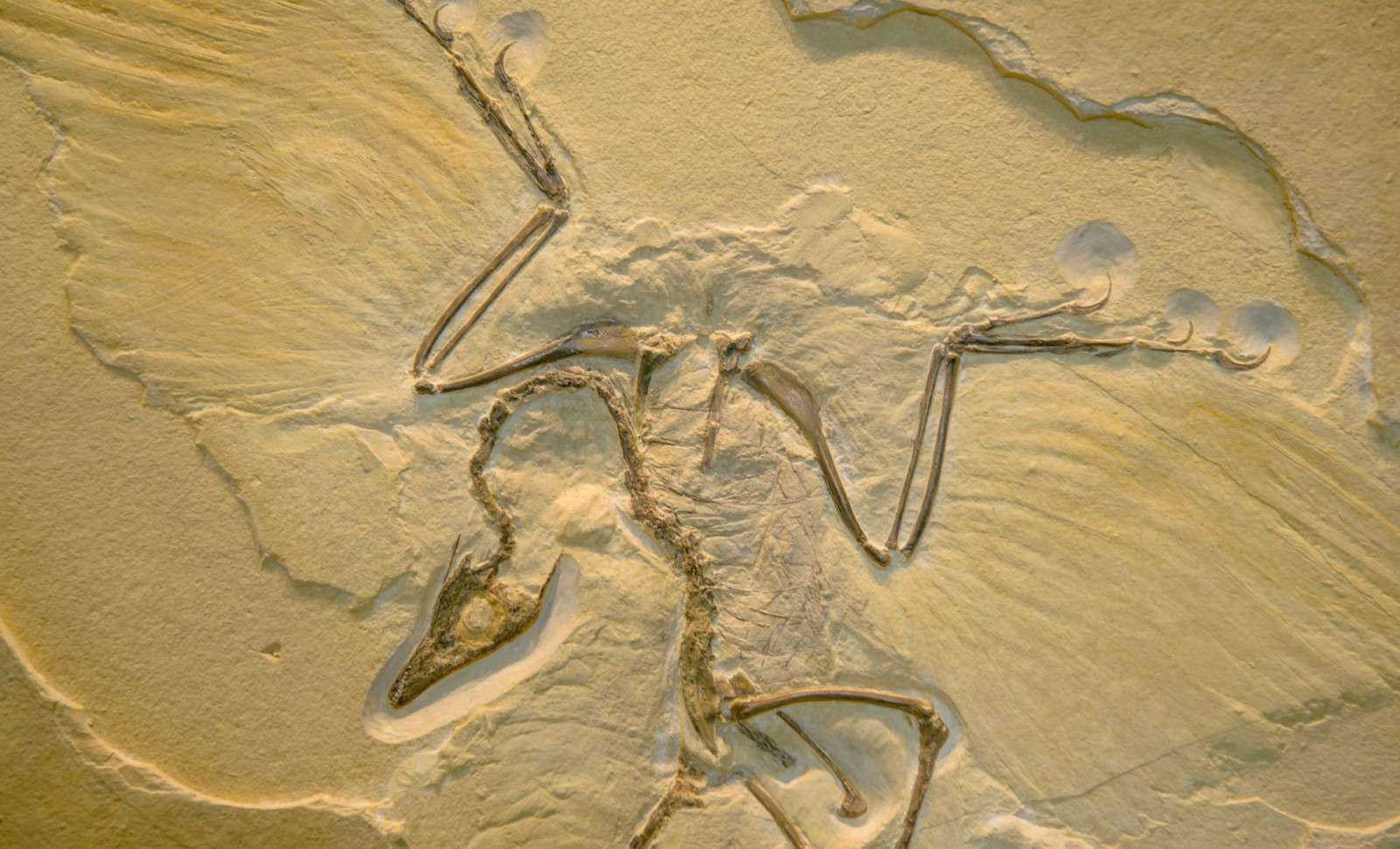
In-depth research on rare Chinese fossils indicates that Anchiornis, a feathered dinosaur from about 160 million years ago, likely lacked the ability to fly despite having well-formed wings. Published in Communications Biology, the findings suggest that the evolution of flight among dinosaurs and birds was far more complicated than previously thought.
The investigation was led by Dr. Yosef Kiat from the School of Zoology and the Steinhardt Museum of Natural History at Tel Aviv University, collaborating with teams in China and the US. Their focus was on exceptionally well-preserved specimens whose feathers retained extraordinarily fine details.
Feathered dinosaurs have long been pivotal for understanding the origin of birds. However, feathers initially evolved for reasons other than flight. With many dinosaur species sporting feathers long before modern birds appeared, scientists have struggled to determine which species actually possessed flight capabilities.

Fossils Capture More Than Just Feathers
The study analyzed nine specimens of Anchiornis, a feathered member of the Pennaraptora group. These fossils, uncovered in eastern China, benefited from geological conditions that preserved soft tissues with exceptional clarity.
The research found that the fossils retained not only the feather structures but also remnants of their original pigmentation. Predominantly white wing feathers featured a distinct black spot near each tip across the specimens.
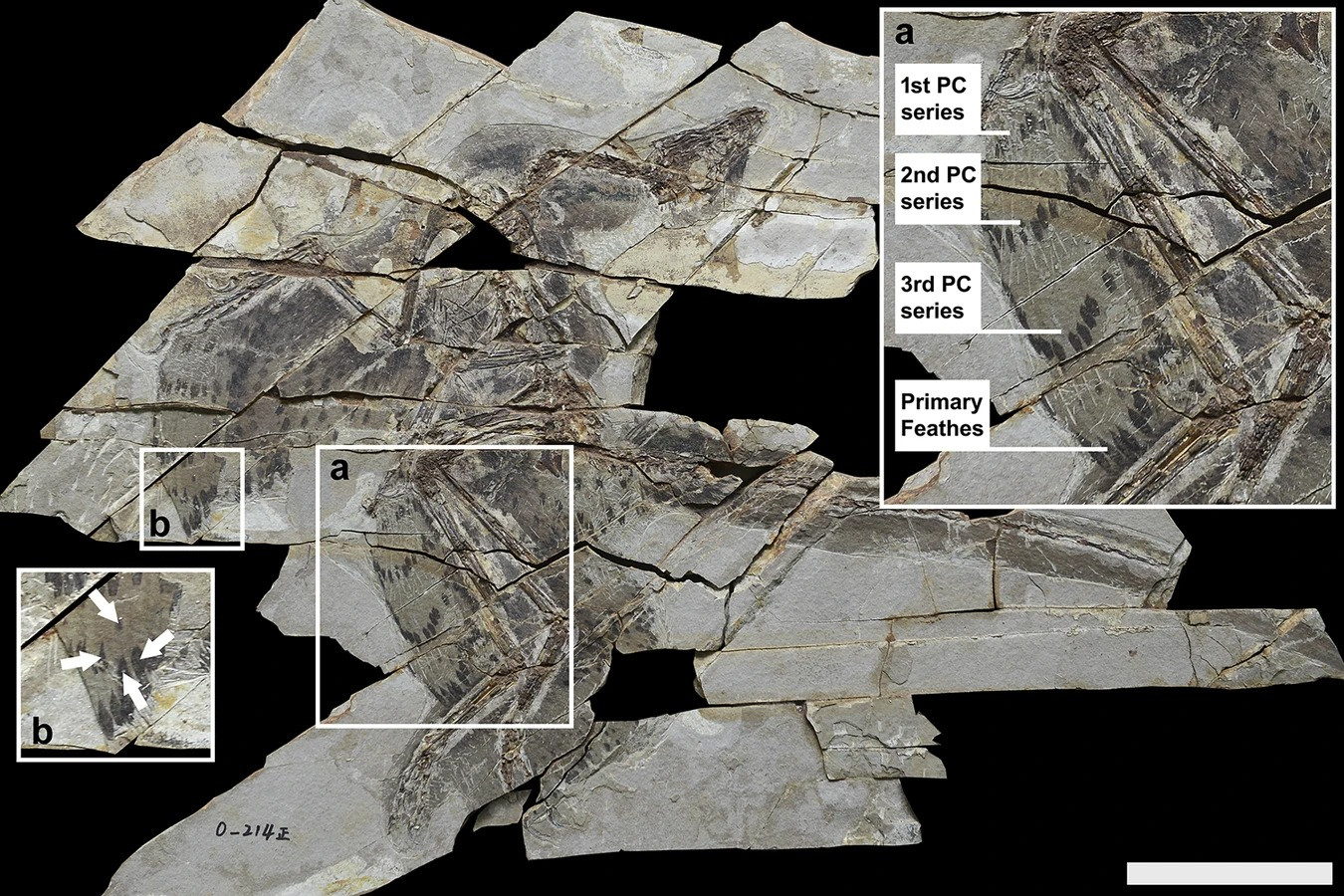
This degree of preservation is quite rare. The researchers highlighted that these pigmentation patterns allowed identification of individual feathers and facilitated the study of their growth, which is typically impossible with fossilized animals.
The patterns revealed a continuous row of black spots along the wings, though some feathers displayed misaligned spots, indicating they were still growing when the animals died. Those feathers were not fully developed.
The Preservation of an Ancient Molting Pattern
The study’s critical insight focuses on molting, the process by which birds shed and replace old feathers. Dr. Yosef Kiat explained that feather growth takes two to three weeks before detaching from blood vessels, after which they become inert structures.
“Feather molting seems like a small technical detail — but when examined in fossils, it can change everything we thought about the origins of flight, highlighting how complex and diverse wing evolution truly was,” explained the authors.
In living birds, molting strategies vary by species and lifestyle. Birds dependent on flight often replace feathers gradually and evenly on both wings to maintain balance and flight capability during regrowth.
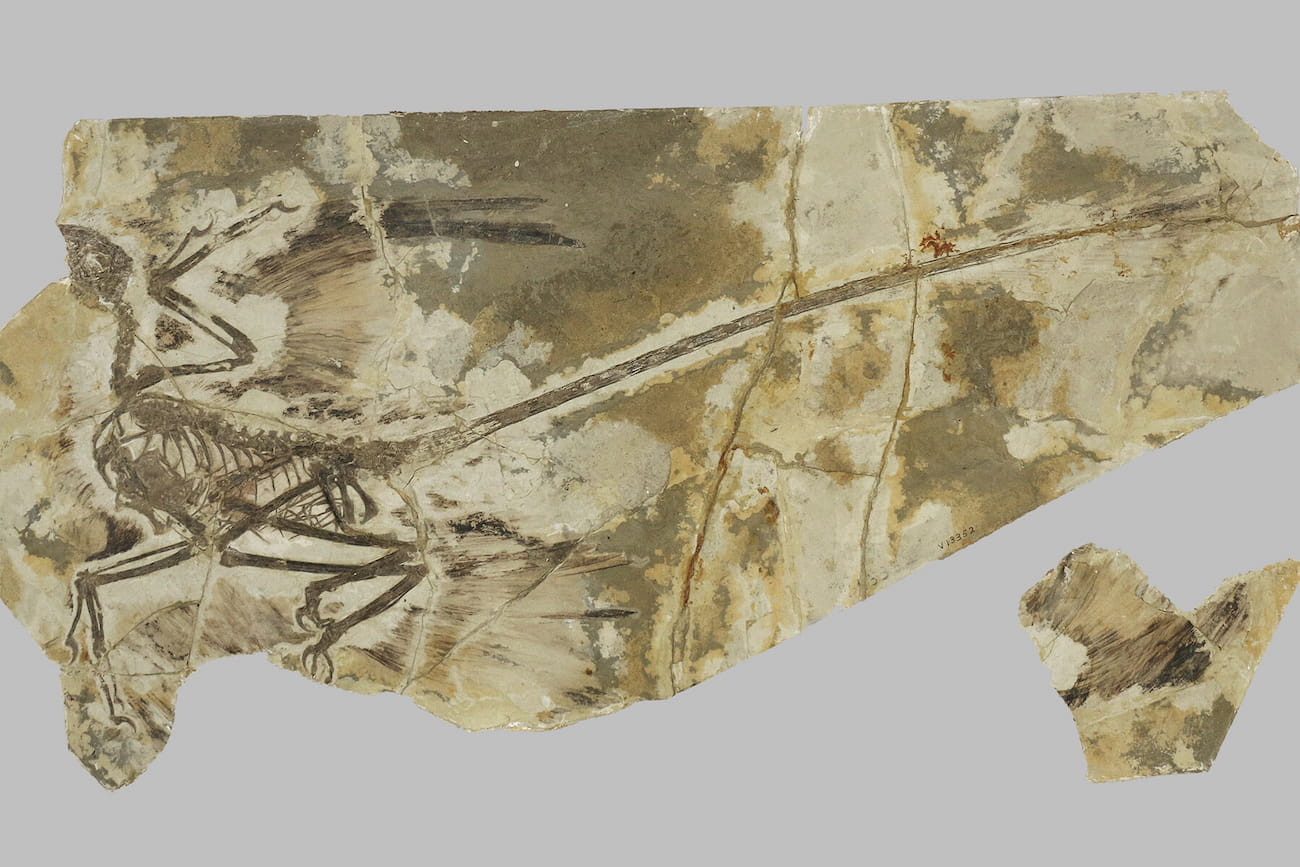
Dr. Kiat noted that flightless birds typically have more irregular molting patterns, as maintaining balanced wings is not necessary for them.
The fossils indicate that Anchiornis exhibited this less organized molting sequence. The pattern of replacing feathers lacked the symmetrical order expected in animals capable of flight.
Revisiting Assumptions About How Flight Evolved
The team arrived at a clear conclusion: Anchiornis was most likely flightless.
“Based on my familiarity with modern birds, I identified a molting pattern indicating that these dinosaurs were probably flightless,” Dr. Kiat said.
The investigation highlights how feather preservation can reveal functional features in extinct species and reveals that the evolution of flight was far more intricate than previously assumed.
“This finding has broad significance, as it suggests that the development of flight throughout the evolution of dinosaurs and birds was far more complex than previously believed,” the research team noted.
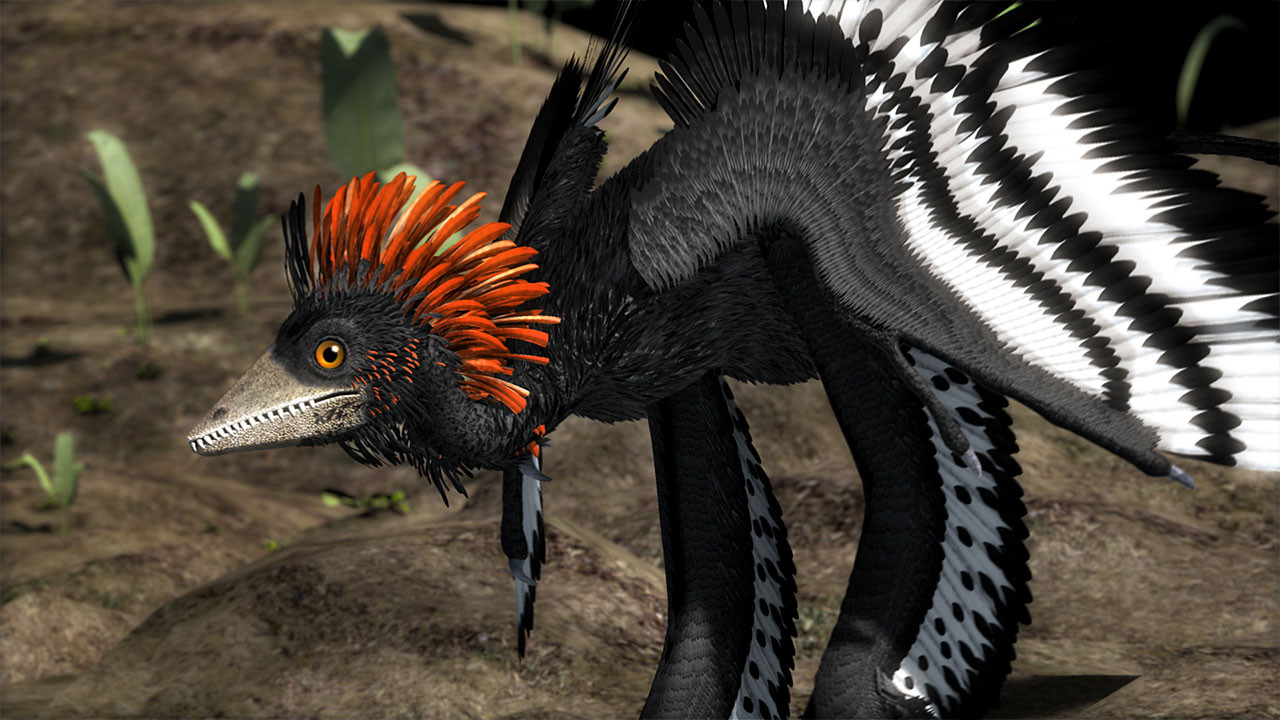
Researchers suggest that some species might have initially evolved limited flight skills but subsequently lost them. This study adds Anchiornis to the list of feathered dinosaurs thought to remain ground-bound, highlighting the varied evolutionary routes taken long before birds took to the skies.
- Categories:
- Science




0 comments
Sign in to Comment