
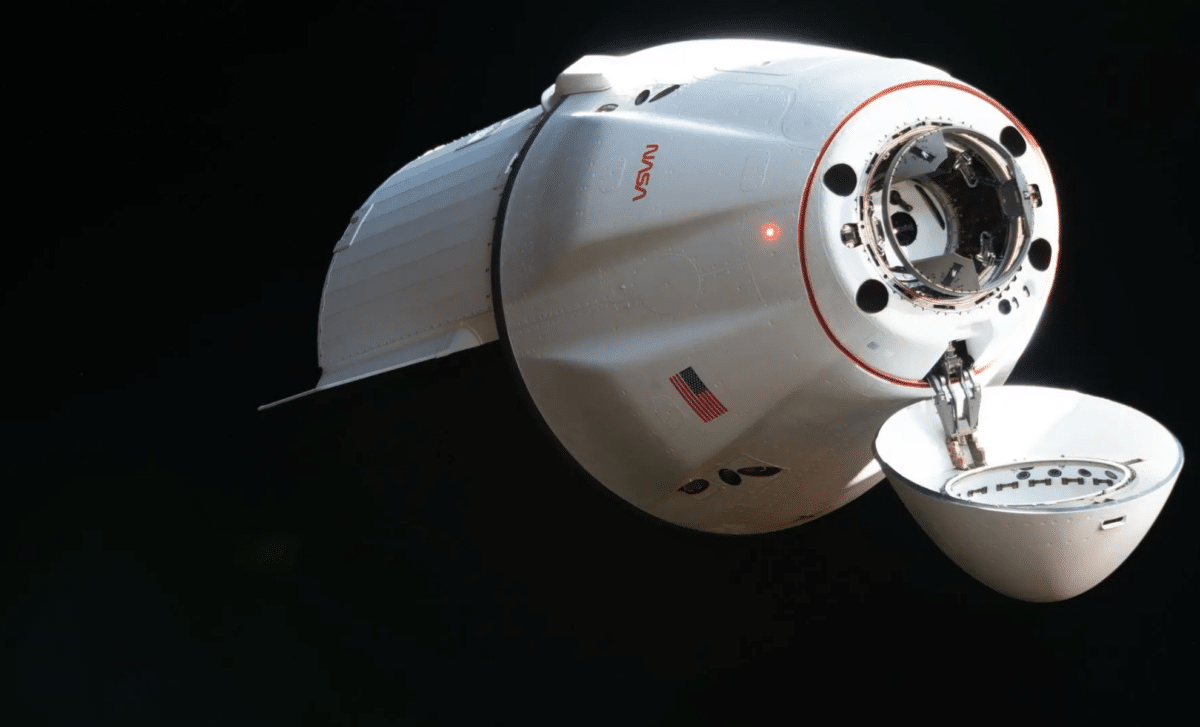
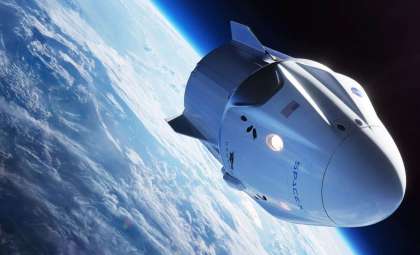
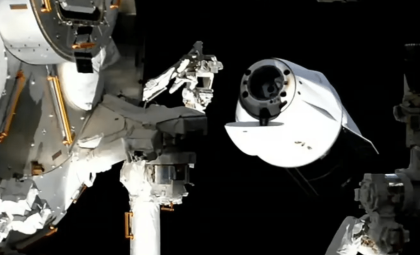
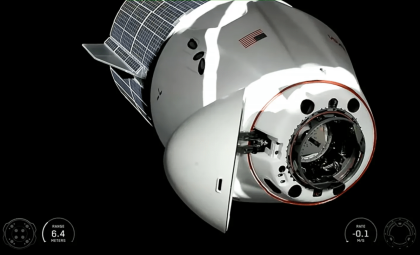
The SpaceX Dragon cargo vehicle is set to depart from the International Space Station (ISS), carrying thousands of pounds of valuable scientific experiments, biological samples, and critical hardware back to Earth. NASA reports that this capsule will undock on June 16, re-enter the atmosphere, and touch down near California’s coast on June 17. Though routine, this mission stands out due to the diverse range of studies on board, including research on bioprinted tissues, advanced cryogenic fuel techniques, and biomaterials inspired by DNA.
Returning With A Treasure Trove Of Scientific Discoveries
This event marks the concluding stage of SpaceX’s 34th commercial resupply mission to the ISS. Dragon arrived in orbit in May loaded with nearly 6,500 pounds of supplies and equipment. Now, it’s brimming with a new set of carefully gathered research payloads collected during its orbital stay.
Dragon’s distinct advantage lies in its ability to safely return substantial cargo volumes to Earth, a crucial function supporting the station’s scientific goals. Many space experiments demand detailed analysis back on the ground, so this return capability is essential for advancing research.

The payload encompasses biological specimens, innovative technology trials, and station components awaiting post-flight inspection by engineers. Each of these items reflects extensive planning and scientific dedication spanning months or years.
Highlighting the close cooperation between commercial aerospace enterprises and global scientific programs, as the Dragon capsule separates from the ISS, it carries not only experiments but vital data that may influence future deep-space missions. Researchers expect to begin scrutinizing the recovered materials shortly after they reach Earth.
A science-packed @SpaceX Dragon spacecraft is scheduled to depart the orbital outpost on Tuesday, June 16, for return to Earth. Live undocking coverage begins at 11:45am ET on @NASA+. More… https://t.co/Qyqq1q13hy pic.twitter.com/H6ZMhfx1n9
— International Space Station (@Space_Station) June 12, 2026
Returning Experiments Could Impact Future Space Travel And Medicine
Some of the most eagerly anticipated investigations on Dragon include those involving bioprinted cartilage and organ tissues. Microgravity offers a unique setting to manufacture biological constructs that are hard to replicate on Earth.
The ISS environment enables scientists to explore novel regenerative medicine and tissue engineering strategies. Additionally, critical research on cryogenic fuel storage for long-term space missions is also onboard, addressing challenges vital for upcoming lunar and Martian expeditions.
Efficient fuel preservation is essential for extended venture durations, highlighting the importance of this study. The capsule is also bringing back innovative DNA-inspired materials that could pave the way for future cancer therapies, underscoring the broad spectrum of ISS research.
Why The Returning Cargo Matters
According to NASA, the cargo includes several crucial pieces of ISS hardware for post-mission assessment. Among them is an eye imaging instrument that monitors astronaut vision health on lengthy flights. With vision impairment a known spaceflight risk, understanding these effects is vital for future long-duration missions.
Also returning is a contaminant-absorbing filter designed to keep the station’s air clean, contributing to crew safety. Engineers will inspect a separator pump from the waste management system, all part of efforts to improve spacecraft reliability and life-support functions. Testing hardware durability after months in space helps refine designs for more robust future missions.
The Enduring Scientific Impact Of The International Space Station
For over 25 years, the ISS has been continuously inhabited by astronauts and cosmonauts, supporting an unparalleled array of scientific research. This orbiting laboratory has advanced knowledge in biology, medicine, materials science, and engineering.
The station also acts as a proving ground for technologies essential to the Artemis program and ambitious missions aimed at Mars. Cargo missions like this one demonstrate how experiments conducted hundreds of miles above Earth lead to discoveries improving life both on the ground and in space.
Every returned spacecraft delivers precious samples and insights, furthering humanity’s ability to live and work farther from home than ever before.
- Categories:
- Space



0 comments
Sign in to Comment